
Choosing the right angpow (red packet) size depends entirely on what you plan to put inside, whether it is flat banknotes, coins, gift cards, or small physical tokens. While these traditional red envelopes are synonymous with festive gifting, selecting a size that is too small can force you to fold crisp new notes, while an oversized packet can make a single note feel lost. Understanding the standard dimensions available in the market ensures your presentation is polished, respectful, and secure.
Common Angpow Size Categories and What They Hold
Angpows come in several standard formats, each tailored to specific gifting habits and contents. Because manufacturer standards can vary slightly, understanding these broad categories will help you narrow down your options quickly.
- Standard or Regular Size: This is the most common option you will encounter during festive seasons. Designed specifically to hold standard banknotes flat without any bending or folding, these envelopes typically measure around 165 mm to 170 mm in length. They are ideal for traditional cash gifts, allowing you to present pristine, uncreased notes that slide out smoothly.
- Mini or Pocket Size: These compact envelopes are highly portable and usually measure around 80 mm to 110 mm. Because they are shorter than standard banknotes, you will need to fold notes into halves or thirds to fit them inside. They are best suited for coins, small gold or metal tokens, or folded notes when you prefer a smaller physical footprint.
- Large or Jumbo Size: Oversized packets are designed for situations where standard envelopes fall short. These are ideal for holding multiple banknotes, thick cash stacks, or non-cash items like greeting cards, retail vouchers, and event tickets. They offer a generous presentation and ensure the envelope does not bulge awkwardly under the weight of its contents.
- Verification Advice: When shopping for red packets, always check the product packaging or online descriptions for exact internal dimensions. External decorative elements, such as elaborate gold borders, thick paper seams, or 3D pop-up features, can make the envelope appear larger on the outside than its actual usable interior space.
How to Match Your Contents to the Right Angpow Envelope
Matching your physical gift to the correct envelope style is a matter of both practical fit and presentation. Selecting the wrong pairing can lead to torn paper, bent cards, or an awkward presentation.
Products mentioned in this guide
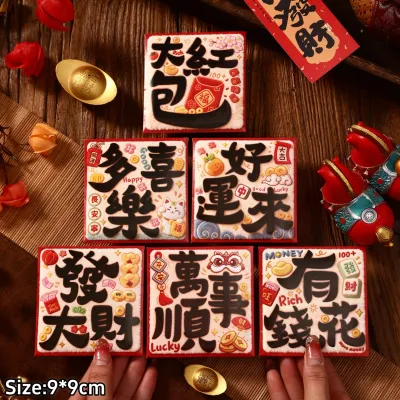

Prices are valid at publication and may change. Please refer to the product page for the latest price.

- Crisp Banknotes: If you are gifting fresh, crisp banknotes, standard or large sizes are strongly preferred. In Singapore, banknote sizes scale up with denomination; for instance, a S$2 note is approximately 133 mm by 66 mm, whereas a S$50 note is larger at 156 mm by 74 mm. To keep these new notes completely flat and pristine, a standard long angpow is essential. Folding crisp paper causes permanent creasing, which is often avoided in traditional gifting as flat notes symbolize a smooth, unblemished path ahead.
- Coins and Metal Tokens: Gifting coins or commemorative metal tokens presents a different structural challenge. Because of their weight and thickness, coins can slide around and cause thin paper envelopes to sag or tear. For these items, mini sizes or envelopes made from thicker paper stocks are highly recommended. A smaller pocket keeps the coins snug, preventing them from shifting awkwardly or creating unsightly bulges.
- Gift Cards and Vouchers: Modern gifting often includes plastic gift cards, digital voucher printouts, or retail cards. Before purchasing your envelopes, compare the physical dimensions of standard credit-card-sized items (typically 85.6 mm by 54 mm) against the envelope's internal width. Unlike paper money, rigid plastic cards cannot be folded or forced into smaller packets without damaging the card or tearing the seams of the envelope.
- Small Jewelry or Physical Gifts: For items like delicate gold pendants, jade charms, or small physical keepsakes, standard flat paper packets are rarely sufficient. If you plan to gift these items, opt for large, heavy-duty jumbo envelopes, specialized padded red packets, or small decorative gift boxes. This prevents the sharp edges of the jewelry from puncturing the paper and protects the item from external pressure during handling.
Beyond Dimensions: Paper Weight and Closure Specs
While length and width are critical, secondary physical specifications significantly affect how secure, durable, and premium your red packets feel in hand.
- Paper Weight and Opacity: The thickness of the paper, measured in grams per square meter (GSM), directly impacts the envelope's opacity and strength. Standard mass-produced packets often use thin paper (around 80 to 100 GSM), which can be slightly translucent under bright light, revealing the denomination of the cash inside. Premium options utilize heavier stocks (120 to 160 GSM or more). Thicker paper prevents the contents from showing through, provides a more luxurious tactile experience, and offers the structural integrity needed to hold heavier items like coins or rigid cards.
- Closure Mechanisms: How the envelope seals is vital for security and convenience. Tuck-in flaps feature a pre-cut slot where you insert the flap, allowing you to open and close the packet easily for last-minute content checks. Peel-and-seal adhesives or wet-and-seal gummed flaps provide a permanent closure, which is highly recommended if you are mailing the packet, handing it to young children, or carrying multiple envelopes in a bag where loose items could slide out.
- Internal Structures: Some premium and contemporary angpows feature internal slots, dual compartments, or decorative paper sleeves. These internal structures are designed to secure cards or specific note denominations in place, preventing them from sliding around. Keep in mind that these internal dividers can reduce the overall thickness capacity of the envelope, so they are best reserved for single notes or thin cards.
How to Measure Your Contents and Verify Envelope Specs
Taking a few moments to measure your items beforehand prevents the disappointment of a tight fit or a torn envelope. Follow these simple steps to ensure a perfect match.
- Measuring the Item: Use a standard ruler to measure the maximum length, width, and thickness of the item you plan to insert. If you are gifting a stack of banknotes, measure the height of the entire stack together, as multiple bills will expand the envelope's depth and require more physical space than a single note.
- Calculating Clearance: Always allow a small clearance margin of at least 3 mm to 5 mm on all sides of your item. This extra space ensures that your contents can slide in and out of the envelope smoothly without catching on the internal paper seams or tearing the corners of the packet.
- Reading Specs Correctly: When buying envelopes online or in stationery shops, look closely for terms like "internal dimensions" or "usable space." Manufacturers often list the total external dimensions, which include the decorative borders, glued seams, and the folded top flap. The actual space available for your gift is always slightly smaller than these external measurements.
Frequently Asked Questions (FAQ)
Is it bad luck to fold banknotes inside an angpow?
While not strictly a matter of bad luck, there is a strong cultural preference in Singapore for gifting flat, uncreased banknotes. Crisp, flat notes symbolize a smooth, obstacle-free year ahead. If you wish to respect this tradition, it is best to choose a standard or large angpow size that accommodates the banknotes without folding.
Can I put coins in a standard paper angpow?
Using standard, thin paper envelopes for coins carries a high risk of the heavy metal tearing through the paper or sliding out of loose flaps. If you plan to gift coins or tokens, choose mini-sized packets made from heavy-weight cardstock (150 GSM or higher) or select specialized fabric pouches designed specifically to hold heavier items securely.
Community discussion
Share your experience or ask a question. Comments are reviewed before publication.