
Selecting the correct ang pow packets for your gifting needs depends on two primary factors: the physical size of the banknotes you intend to distribute and whether you prefer to present them flat or folded. In Singapore, currency notes increase in physical dimension as their denomination rises. For those planning to gift crisp, uncirculated high-denomination bills like S$50 or S$100 notes without folding them, a long ang pow packet is essential. Conversely, smaller denominations or folded bills can comfortably fit into standard or mini-sized envelopes.
Understanding Standard Ang Pow Packet Sizes
Ang pow packets, also known as red packets, are available in a variety of dimensions to suit different gifting customs and aesthetic preferences. The stationery market generally categorizes these envelopes into three primary formats: long, standard (or short), and mini (or square). While individual manufacturing brands may introduce slight variations in their exact millimeter measurements, these three categories serve as the industry standard.
The fundamental structural difference among these formats lies in their length and width. Long packets are designed specifically to accommodate banknotes in their full, unfolded state. Standard packets are shorter and typically require some denominations of currency to be folded, while mini or square packets are compact envelopes designed for highly compact contents.
Products mentioned in this guide
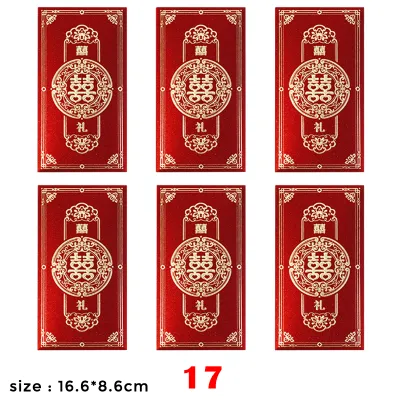
![[SG READY STOCK] Premium Wedding Red Packet | Double Happiness Angbao | Angpao/Angpow/Hongbao | 6pcs/Pack 结婚红包 双喜 喜字红包](https://img.lazcdn.com/g/p/ec9df034dec8ee51e6a720c9cd3b9fb9.jpg_400x400q80.jpg_.webp)
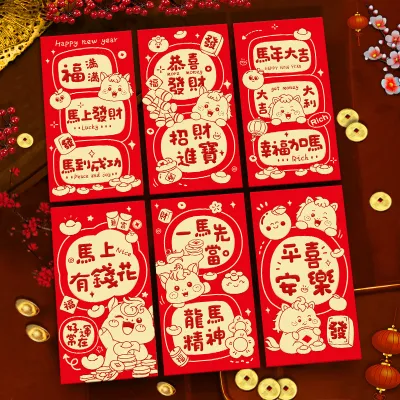
![[SG READY STOCK] Premium CNY Red Packet | Year of Horse Angbao | Elegant Angpao/Angpow/Hongbao | 6pcs 马年新款烫金红包](https://img.lazcdn.com/g/p/872f20324e8ef640f234a1d1bd477497.jpg_400x400q80.jpg_.webp)
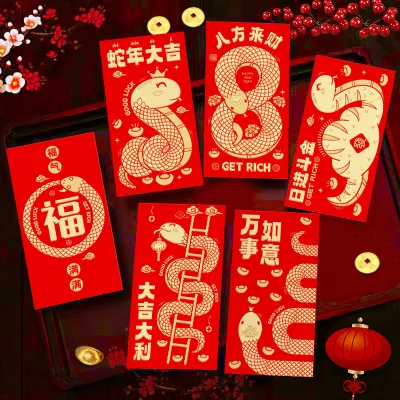
![[Local stocks] Horse Red packet 2026 Ang pow / Cartoon/ Labubu (6 design per packet)](https://img.lazcdn.com/g/ff/kf/Sb8b9e6daaab44bd7a7e9d359ef4fff10f.jpg_400x400q80.jpg_.webp)
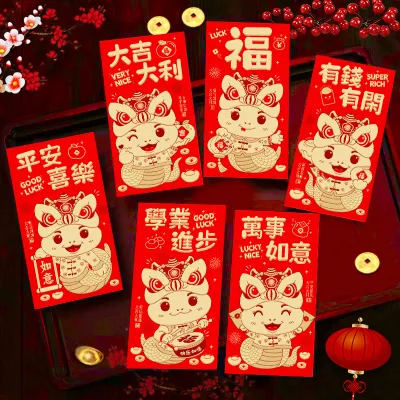
Prices are valid at publication and may change. Please refer to the product page for the latest price.
When selecting packets, it is important to distinguish between external dimensions and internal usable space. Many premium ang pow packets feature elaborate decorative elements, such as gold foil stamping, 3D embossing, or thick paper borders. While these design choices elevate the visual and tactile appeal of the envelope, they often reduce the actual internal clearance. Always consider the usable pocket space rather than the total outer edge measurement when planning your presentation.
Matching Packet Dimensions to Singapore Dollar Notes
To ensure a seamless fit, you must match the physical specifications of Singapore Dollar (SGD) notes to the internal dimensions of your chosen ang pow packets. Singapore’s portrait series banknotes are designed with a staggered sizing system where higher denominations are physically larger than lower ones. For instance, a S$2 note is the smallest in circulation, while S$5, S$10, S$50, and S$100 notes progressively increase in both length and height.

This staggered sizing directly impacts your choice of stationery. If you are preparing gifts using crisp, uncirculated new notes—a traditional practice during festive seasons to symbolize new beginnings—keeping them pristine and flat is highly valued. To achieve this, a long packet is required. A standard long envelope measuring approximately 165 mm to 170 mm in length is ideal, as it comfortably houses the S$50 note (which measures 156 mm in length) and the S$100 note (measuring 162 mm in length) without bending the corners.
Standard or short packets, which typically measure around 115 mm to 120 mm in length, cannot accommodate high-denomination notes flat. They are, however, perfectly sized to hold smaller notes like the S$2, S$5, or S$10 bills flat, or to hold the larger S$50 and S$100 notes if they are folded precisely in half. Before purchasing envelopes in bulk, it is highly recommended to verify the manufacturer’s specified internal length against the maximum note length you plan to use, ensuring you do not end up with packets that are too tight to seal.
Selecting the Right Size Based on Cash Amounts
The total monetary value of your gift often dictates the physical volume of the cash, which in turn influences the optimal packet size. Gifting scenarios generally fall into two categories: token gestures and substantial familial gifts. Small token amounts given to acquaintances, distant relatives, or children often consist of a single S$2, S$5, or S$10 note. These fit effortlessly into standard or even small envelopes without creating bulk.
However, when preparing larger gifts for parents, close family members, or newlyweds, you must account for the physical thickness of the notes. Gifting a substantial sum using multiple lower-denomination bills—such as ten S$10 notes to make S$100—creates a thick stack of paper. Stuffing a standard-sized packet with multiple bills causes the paper to bulge. This physical distortion makes it difficult to fold the flap down securely, often resulting in the adhesive failing or the paper tearing along the seams.
For high-value or multi-bill gifts, long packets or specialized gusseted envelopes with expandable sides are the most practical choice. They distribute the physical mass of the banknotes evenly, maintaining a sleek, elegant profile. On the opposite end of the spectrum, mini or square packets should be reserved strictly for symbolic items. Because paper currency must be folded multiple times into a tight square to fit inside these tiny envelopes, they are best utilized for holding gold foil coins, commemorative tokens, or chocolate coins rather than standard paper banknotes.
Practical Tips for Buying and Preparing Your Packets
A successful gifting preparation involves careful selection of your stationery materials. When browsing online marketplaces or local stationery stores, do not rely solely on generic size labels. Always check the product description for the explicit internal dimensions. If you are purchasing in bulk for a major event like a wedding or Lunar New Year, buying a single sample pack first allows you to perform a physical compatibility check.
To verify the fit, conduct a quick trial using a dummy bill or a piece of paper cut to the dimensions of your target banknote. Insert it into the packet to ensure it slides in smoothly without friction. Check that the sealing flap folds down completely and covers the opening without putting tension on the paper seams. If you plan to write recipient names or blessings on the back of the envelope, perform a quick ink-drying test on a hidden area of the flap. Some glossy or foil-coated papers resist ink, leading to smudging, so matching your pen type (such as a quick-drying gel pen or a permanent marker) to the paper finish is essential.
If you must use standard packets and need to fold larger S$50 or S$100 notes, apply a single, clean fold down the center of the bill. Avoid creasing the note excessively, as multiple folds can make the paper springy, increasing the bulk inside the envelope and making it harder to seal. Additionally, consider the paper weight, measured in grams per square meter (GSM). Packets made from thicker paper (typically 120 GSM or higher) provide excellent structural integrity and prevent the denomination of the cash inside from being visible through the paper, though they do not increase the physical capacity of the envelope.
Frequently Asked Questions (FAQ)
Can I fold new S$50 or S$100 notes to fit a standard packet?
While it is physically possible to fold S$50 or S$100 notes in half to fit into a standard-sized packet, local customs generally discourage folding brand-new currency. Crisp, flat banknotes symbolize a smooth, prosperous, and uninterrupted start to the year or a new marriage. If you are gifting high-denomination new notes, it is highly recommended to use long packets to preserve their pristine, uncreased condition.
Does a thicker ang pow packet hold more cash?
No, a higher paper weight (GSM) does not increase the physical capacity of an ang pow packet. Thicker paper makes the envelope feel more luxurious, premium, and durable, while also ensuring the cash inside remains private by blocking light. However, the physical length, width, and depth of the envelope are the only factors that determine how many banknotes can safely fit inside without tearing the seams.
Community discussion
Share your experience or ask a question. Comments are reviewed before publication.