
When shipping fragile items, the best air bag protection depends on your specific shipping volume, item value, and operational setup rather than a single brand name. For high-volume, high-value shipments like precision electronics or premium glassware, industrial system providers offer certified, multi-layer co-extruded films and automated pressure-controlled inflation. For standard consumer goods, cosmetics, or lower-volume operations, generic or e-commerce-focused OEM brands provide a highly cost-effective and flexible solution, provided you verify their material thickness and valve reliability before purchasing.
Choosing the right packaging protection requires balancing operational efficiency with the cost of potential transit damage. An inflatable air bag is only as effective as its physical integration into your workflow. If your business handles high-value, highly sensitive items, your primary concern is minimizing return rates and ensuring consistent pressure retention over long transit routes.
Quick Decision Guide: Matching Air Bag Brands to Your Shipping Needs
Selecting the ideal protective packaging requires a clear understanding of your operational scale and the vulnerability of the items you are sending. Not every business needs to invest in heavy-duty industrial systems, just as high-volume electronics distributors cannot rely on cheap, unverified films. By categorizing your needs, you can narrow down your options to the most cost-effective and reliable tier of air bag products.
Products mentioned in this guide
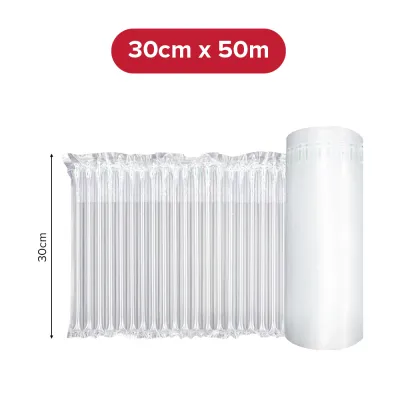
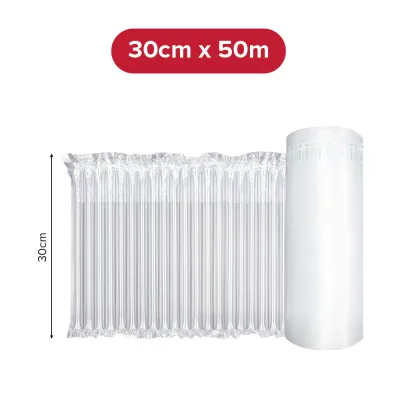
Prices are valid at publication and may change. Please refer to the product page for the latest price.
- Choose premium industrial system providers if you are shipping high-value, extremely fragile items (such as laboratory equipment, high-end electronics, or premium glassware) at a high volume. These systems offer guaranteed pressure retention, consistent machine-inflated quality, and documented drop-test certifications. They streamline rapid packing lines where manual inflation would create a severe bottleneck.
- Choose generic or e-commerce-focused OEM brands if you are shipping standard consumer goods, everyday glassware, or cosmetics where cost-efficiency is the priority. These brands are highly suitable for small-to-medium enterprises (SMEs) or home-based e-commerce setups in Singapore that require flexible manual or semi-automatic inflation options without a massive upfront capital investment.
- Neither option may fit if your items have highly irregular shapes, sharp protruding metal edges, extreme weight, or require rigid structural support. For these scenarios, you should verify if alternative protective mediums—such as custom-molded pulp, rigid foam inserts, or heavy-duty honeycomb paper—are more appropriate. An air bag relies on air pressure to cushion impacts; highly concentrated point-loads from heavy, sharp items can easily puncture the film or cause adjacent chambers to burst under sudden compression.
Ultimately, achieving the best protection is a combination of the brand’s material quality, selecting the correct sizing for your outer carton, and utilizing proper inflation techniques, rather than relying solely on a brand logo.
Key Dimensions for Evaluating Air Bag Protection Quality
To make an informed decision when comparing different air bag options, you must look past marketing claims and focus on physical specifications. Understanding the technical construction of these packaging materials allows you to evaluate how they will perform under the stress of international shipping or local courier handling.

Material Thickness and Co-extrusion Layers
The physical composition of the plastic film directly dictates its puncture resistance and long-term air retention capabilities. High-quality air bags are almost never made from a single layer of standard plastic; instead, they utilize co-extruded films. The industry standard for reliable protection is a co-extruded PA/PE (Polyamide/Polyethylene) film.
Within this structure, each material serves a distinct purpose. The PA (nylon) layer provides high tensile strength, elasticity, and puncture resistance, preventing sharp corners from tearing the bag. The PE (polyethylene) layer provides flexibility and serves as the primary heat-sealing medium to ensure airtight seams.
When evaluating brands, check the manufacturer’s specified film thickness, which is measured in microns (µm). Standard packaging films range from 35 to 75 microns. Thicker films with a higher ratio of PA content offer superior puncture resistance and better structural integrity for heavier fragile items, though they carry a higher unit cost. For lightweight items, a thinner film may suffice, but you must verify that the co-extrusion quality prevents micro-tears during inflation.
Column Design and Air Chamber Isolation
The internal structure of an air column bag is engineered to prevent catastrophic failure if a puncture does occur. Unlike single-chamber air pillows that deflate entirely when punctured, high-performance air column bags utilize independent air chambers. This isolation is a critical safety feature for transit.
Each column is separated by a precise heat-sealed seam. If a sharp edge punctures one column, only that chamber loses air. The adjacent columns remain fully inflated and continue to support the item, ensuring that the overall protective cushion is maintained throughout the remainder of the shipping journey.
When selecting an air bag, match the column width to the scale of your product. Narrower columns (typically 2cm to 3cm when flat) are excellent for small jars, vials, and delicate cosmetics, as they conform tightly to small radiuses. Wider columns (4cm or more) are better suited for larger, flatter items like tablet screens or laptops, where distributing the impact force over a broader surface area is necessary. Inspect the quality of the heat-sealing lines between columns; poor sealing can lead to slow air migration between chambers.
Valve Technology and Inflation Reliability
The design of the inflation valve is often the primary differentiator between professional-grade packaging and low-cost alternatives. Modern air column bags feature specialized one-way valves. These valves allow air to enter the column during inflation but automatically lock it inside, eliminating the need for a secondary heat-sealing step after the bag is filled.
The reliability of this one-way valve determines both your packing speed and the shelf-life of the inflated cushion. High-quality valves are made from precise, multi-layered micro-films that seal instantly under the back-pressure of the inflated air. Poorly manufactured valves may fail to seal completely, resulting in slow deflation over a multi-day transit period, or they may stick together, requiring excessive air pressure to open during the inflation process.
When testing different brands, observe how easily the inflation nozzle inserts into the valve path. A well-designed valve path allows the air to distribute evenly across all columns simultaneously without manual manipulation of the film. If the valve requires constant manual adjustment or high pressure to open, it will slow down your packing operations and increase the risk of over-inflating and bursting adjacent columns.
Navigating Air Bag Brand Categories in Singapore
The packaging supply market in Singapore offers a wide range of choices, from high-end global logistics brands to affordable generic options imported through regional distributors. Understanding where a supplier fits within these categories helps you navigate the trade-offs between upfront system costs and long-term material reliability.
Premium Industrial and System Providers
Premium industrial providers specialize in integrated packaging systems designed for high-throughput fulfillment centers. These global brands provide complete ecosystems that include proprietary inflation machines, automated film dispensers, and custom-engineered film rolls.
The primary advantage of choosing a premium system provider is consistency and certified performance. These brands subject their materials to rigorous quality control and documented transit testing, such as ISTA (International Safe Transit Association) standards. Their films are engineered to withstand extreme temperature fluctuations and atmospheric pressure changes, which is particularly important for air freight departing from Changi Airport.
However, these premium systems come with distinct operational limitations. They often require a significant upfront investment in proprietary inflation machinery, or they require you to sign long-term film supply contracts to lease the equipment. This category is best suited for established logistics providers, high-volume e-commerce hubs, and distributors of high-value electronics who cannot afford a single transit failure.
E-commerce and Generic OEM Suppliers
For many small-to-medium businesses and independent sellers in Singapore, generic or white-label OEM air bags represent a highly practical choice. These products are widely available through local packaging distributors, industrial estate suppliers in areas like Ubi or Jurong, and online e-commerce platforms.
The main benefit of generic OEM suppliers is cost flexibility. You can purchase these air bags in small quantities without being locked into proprietary machinery. Many of these bags can be inflated using simple, low-cost tabletop air pumps or even manual hand pumps, making them highly accessible for low-volume operations.
The trade-off, however, is a lack of consistency. Quality can vary significantly between batches, even when purchased from the same distributor. To protect your business from defective stock, always request material specification sheets from the supplier to confirm the actual PA/PE composition rather than accepting a generic “plastic” label. Ask if they have third-party testing reports, and always order a small sample batch to test the valve sealing and seam strength before committing to a large bulk order.
Matching Air Bag Specifications to Your Fragile Items
Selecting a reputable air bag brand is only half the battle; you must also choose the correct bag format and size for your specific product. An improperly matched air bag can cause uneven pressure distribution, allow the item to shift during transit, or even burst inside the shipping box.
- Wine Bottles and Cylindrical Glass: Cylindrical glass items require specialized, contoured air column bags, often referred to as wine sleeves. These designs feature a reinforced base cushion and a snug sleeve that prevents the bottle from sliding out. The columns must wrap completely around the circumference of the bottle to absorb lateral impacts if the shipping carton is dropped on its side.
- Electronics, Laptops, and Flat Screens: Electronic devices with sensitive screens require flat air cushion films or wide-column wrap-around bags. These designs distribute external impact forces evenly across flat surfaces, preventing concentrated point-load stress that can crack LCD or LED panels. For these items, ensure the air bag provides complete corner protection, as corner impacts are the most common cause of screen breakage.
- Cosmetics, Skincare Jars, and Small Vials: Smaller fragile items do not always require a full wrap-around column sleeve. Instead, they benefit from smaller column widths, inflatable air pillows, or air bubble wrap alternatives used as void fill. The primary goal is to prevent the items from shifting and colliding with each other or the walls of the outer box. Using small-format air pillows to fill empty space is highly cost-effective and keeps the overall package weight to a minimum.
When planning your packaging layout, always account for the physical dimensions of the air bag after inflation. An air column bag shrinks in width and increases in thickness once filled with air. If you do not account for this change, you may find that the inflated bag no longer fits inside your standard outer shipping cartons. Forcing an over-inflated bag into a tight box creates excessive pre-shipment tension, making the air bag highly vulnerable to bursting under the minor impacts experienced during courier sorting.
How to Test and Verify Air Bag Performance Before Buying
Before integrating a new air bag brand into your shipping workflow, you should conduct systematic, low-risk testing. Performing these simple evaluations in your warehouse or office will help you identify potential quality issues before they affect your customers.
- Sample Inspection: Request physical, uninflated samples from the supplier. Feel the texture of the film; a high-quality co-extruded PA/PE film should feel smooth, slightly elastic, and substantial, rather than stiff or crinkly like cheap single-layer plastics. Inspect the heat-seal lines along the edges and between the columns to ensure they are uniform and free of gaps.
- Inflation and Leakage Test: Inflate a set of sample bags to the recommended pressure. Leave them in a room-temperature environment for 48 to 72 hours. Measure column firmness daily. Any noticeable softening indicates a slow leak in either the one-way valve or the heat-sealed seams, which could lead to transit failures during multi-day shipping.
- In-House Drop and Vibration Simulation: Pack a dummy item of similar weight to your actual product inside the air bag, and place it into your standard outer shipping box. Perform controlled drop tests from standard handling heights (typically 1 to 1.2 meters) onto a hard floor, landing on corners, edges, and flat faces. Open the box to inspect if the air bag columns remained intact and if the dummy item shifted.
- Equipment Compatibility: If you use an electric or semi-automatic air pump, verify that the brand's inflation port feeds smoothly onto the nozzle. The film should glide through the machine without catching or requiring constant manual alignment. If the inflation port is too narrow or wide, it can cause air to bypass the valve, resulting in under-inflated columns.
Frequently Asked Questions (FAQ)
Can I inflate air column bags without a specialized machine?
Yes, you can inflate air column bags using simple manual tools, but this approach is only practical for low-volume operations. Small hand pumps, foot pumps, or standard workshop air compressors equipped with a narrow cone nozzle can easily open the one-way valves and fill the columns. However, manual inflation is highly inefficient if you need to pack more than a few dozen boxes per day. It also introduces inconsistency, as manual pumping makes it difficult to achieve uniform air pressure, leading to either under-inflated bags that offer poor protection or over-inflated bags that are prone to bursting.
Are inflatable air bags recyclable in Singapore?
Most high-quality air bags are made from a blend of Polyethylene (PE) and Polyamide (PA) plastics. While these materials are technically recyclable, they are classified as soft plastics and are generally not accepted in Singapore’s standard blue recycling bins, as they can entangle sorting machinery at materials recovery facilities. To dispose of them responsibly, you must first puncture and deflate the bags completely to minimize their volume. You should then check the latest guidelines from the National Environment Agency (NEA) or local recycling initiatives to locate designated soft plastic collection points, which are often found at major supermarkets or community recycling hubs.
Community discussion
Share your experience or ask a question. Comments are reviewed before publication.