
Selecting the right motivational stickers for your primary school child is more than just picking pretty designs. It requires matching the sticker’s visual complexity, message, and material to your child’s evolving cognitive and emotional maturity. In Singapore, where students navigate structured academic milestones from Primary 1 through to the Primary School Leaving Examination (PSLE) in Primary 6, these small stationery items can serve as powerful tools for encouragement, routine-building, and stress relief.
The most suitable motivational stickers progress from highly tactile, simple, and visual rewards in lower primary (Primary 1 to 2) to interactive, interest-driven designs in middle primary (Primary 3 to 4). By the time students reach upper primary (Primary 5 to 6), they respond best to functional planner stickers, minimalist aesthetics, and relatable humor that respect their growing maturity. Understanding this grade-by-grade progression helps you select rewards that resonate with your child, keeping them engaged without causing reward fatigue.
Quick Guide to Matching Stickers to Your Child's Grade
Matching motivational stickers to your child’s developmental stage ensures that the reward remains meaningful. In the early years of Primary 1 and 2, children are adjusting to the structure of formal schooling. They respond best to immediate, highly visual, and tactile feedback. A fuzzy animal or a shiny gold star on a spelling test provides an instant, physical sense of accomplishment that they can proudly show to their family.
Products mentioned in this guide
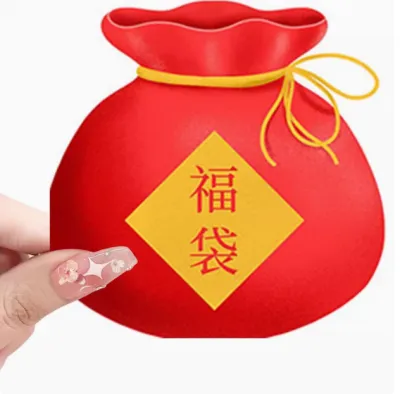
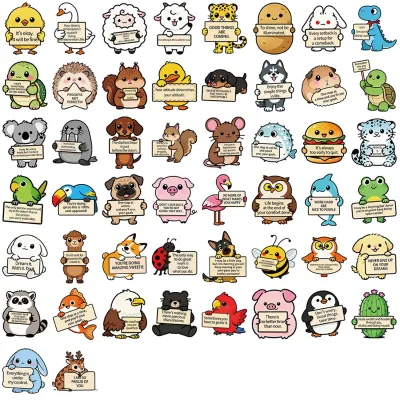
Prices are valid at publication and may change. Please refer to the product page for the latest price.
As students enter Primary 3 and 4, their cognitive abilities expand, and they begin to develop distinct personal interests, hobbies, and peer relationships. Simple star stickers can lose their novelty at this stage. Instead, middle primary students are captivated by interactive elements, such as scratch-off panels, and designs that reflect their specific passions, like science, sports, or digital art. They also begin to internalize verbal encouragement, making growth-mindset phrases highly effective.
By Primary 5 and 6, students are preparing for major academic transitions and value stationery that reflects their mature identity. They actively reject anything they perceive as “babyish.” For these older pre-teens, stickers should transition from external behavioral rewards to practical tools for self-organization, such as planner flags and habit trackers. Subtle, aesthetic designs and lighthearted, relatable humor help them manage academic stress while maintaining a sense of personal style.
This progression supports a child’s journey from relying on external validation to cultivating intrinsic motivation and self-management skills. By shifting the style and purpose of the stickers as they grow, you ensure that these simple tools remain highly effective throughout their primary school years.
Key Criteria for Selecting Age-Appropriate Motivational Stickers
Before purchasing motivational stickers, it is helpful to establish clear evaluation criteria based on visual appeal, material durability, message type, and safety. The visual design should directly correspond to the child’s maturity level. While younger children are drawn to bright, high-contrast, cartoonish illustrations, older primary students prefer minimalist layouts, sophisticated color palettes, and modern typography that look natural on their personal belongings.

Material and durability are equally important considerations depending on where the stickers will be applied. Standard paper stickers are cost-effective for daily worksheets and spelling books, but they tear easily and are not water-resistant. Vinyl stickers offer excellent durability and can withstand daily wear on water bottles, lunchboxes, and plastic file dividers. For specialized tasks, tactile options like puffy foam or interactive scratch-off materials add a layer of sensory engagement.
The type of message printed on the sticker must also match the child’s reading comprehension and emotional needs. Early readers benefit from short, direct praise in clear block fonts, while older students can process nuanced, effort-based growth mindset quotes or humorous, multi-word phrases. Matching the message complexity to the grade level ensures the motivational impact is fully realized.
Safety remains a priority, particularly for younger children who may occasionally apply stickers to their skin. Parents should verify product descriptions to ensure the adhesives are non-toxic, acid-free, and safe for children’s use. While applying stickers to stationery, notebooks, and reward charts is the recommended primary use, choosing high-quality, hypoallergenic options provides peace of mind in case of accidental skin contact.
Recommended Sticker Types for Lower Primary (Primary 1 to 2)
Puffy and 3D Tactile Stickers
Primary 1 and 2 students are highly responsive to sensory experiences. Puffy, squishy, or textured stickers provide immediate tactile feedback that flat paper stickers cannot match. This physical interaction makes the reward feel substantial and exciting, transforming a simple piece of praise into a prized possession.
These tactile stickers are incredibly effective when applied to high-use items like homework folders, daily reading logs, or home behavior charts. The raised profile of a puffy sticker makes it stand out, serving as a constant, touchable reminder of their hard work and success.
When selecting puffy stickers, look for high-density foam options that retain their shape over time. It is also wise to check that the adhesive is strong enough to keep the sticker securely attached to textured paper or plastic folders, preventing the disappointment of a reward peeling off and getting lost.
Bright Character and Animal Stickers
Young children are naturally drawn to familiar, friendly faces. Stickers featuring cheerful animals, smiling stars, or simple character designs help create a warm, inviting association with schoolwork and daily chores. This visual connection is especially helpful for easing the transition from preschool to a structured primary school environment.
You can use these engaging designs to celebrate small, daily victories that build independent habits. Rewarding your child with a cute panda or a colorful rocket sticker for packing their school bag, completing their daily Chinese spelling revision, or clearing their plate after dinner reinforces positive routines.
To maintain your child’s interest, opt for multi-sheet packs that offer a wide variety of characters and colors. Ensure the illustrations are clean and bright, with simple shapes that are instantly recognizable to a seven- or eight-year-old.
Simple Praise and Star Stickers
Classic gold stars and straightforward praise stickers are timeless tools for early primary students. At this stage, children need immediate, unambiguous positive reinforcement to connect their effort with a successful outcome.
These stickers should feature short, bold words like “Great!”, “Super!”, or “100%” printed in large, easy-to-read block fonts. Avoid cursive or highly stylized lettering, as early readers are still developing their phonics skills and may struggle to decode complex text, which dilutes the motivational message.
Apply these classic rewards directly onto completed worksheets or spelling lists. Choosing bulk rolls with easy-peel backings allows young children to peel and stick them independently, which helps develop their fine motor skills while boosting their confidence.
Engaging Sticker Choices for Middle Primary (Primary 3 to 4)
Holographic and Scratch-Off Stickers
As children reach Primary 3 and 4, standard paper stickers can begin to lose their novelty. To prevent reward fatigue, introduce visually dynamic and interactive options like holographic and scratch-off stickers that offer a fresh layer of excitement.
Holographic stickers catch the light and shift colors, making them feel premium and desirable to nine- and ten-year-olds. Scratch-off stickers introduce an element of mystery and playfulness; parents can write a custom reward on a chart and cover it with a scratch-off circle, allowing the child to reveal their prize after completing a week of chores or revision.
These interactive options are best reserved for major milestones, such as completing a difficult science project or showing consistent improvement in a challenging subject. The unique format ensures the reward feels genuinely special and earned.
Hobby and Interest-Based Stickers
Middle primary is a time when children develop distinct personal identities, hobbies, and passions. Choosing stickers that reflect these specific interests—such as space exploration, marine life, sports, coding, or intricate geometric patterns—shows that you recognize and value their individuality.
Instead of handing out pre-selected rewards, allow your child to choose their own sticker packs to decorate their personal notebooks, pencil cases, or storage boxes. This process of customization encourages a sense of ownership and pride in their school supplies and study space.
Look for sticker packs that feature realistic illustrations or detailed, high-quality graphics. Moving away from cartoonish designs matches their expanding intellectual curiosity and makes the stickers feel more appropriate for their age.
Growth Mindset and Effort-Based Phrases
With the introduction of science and more complex mathematical concepts in Primary 3, the academic workload becomes noticeably more demanding. This is a crucial time to transition from praising innate intelligence to praising effort and resilience.
Stickers featuring growth mindset phrases like “Fabulous effort!”, “Mistakes help us learn,” or “Progress over perfection” help children build the emotional resilience needed to tackle harder subjects. These messages remind them that learning is a journey and that mistakes are a natural part of growth.
Place these encouraging stickers on draft papers, correction worksheets, or study planners. Emphasizing the hard work your child put into solving a difficult problem, rather than focusing solely on the final test score, fosters a healthy, long-term attitude toward learning.
Mature and Functional Stickers for Upper Primary (Primary 5 to 6)
Functional Planner and Tracker Stickers
Primary 5 and 6 students face a significant increase in academic responsibility as they prepare for the PSLE. To help them manage remedial classes, CCA schedules, and homework deadlines, motivational stickers should transition into functional tools for organization.
Stickers that function as checklist boxes, priority flags, habit trackers, or subject labels turn time management into a visual, hands-on process. Placing a bright “Priority” flag next to an upcoming English composition deadline or checking off a “Done” box on a revision checklist provides a highly satisfying sense of completion.
Incorporate these functional stickers into your child’s academic planner or desk calendar. This practice not only keeps them organized but also teaches them valuable life skills in goal-setting, task prioritization, and independent study management.
Subtle Aesthetic and Minimalist Designs
Pre-teens are highly sensitive to peer perceptions and generally avoid anything they deem childish. To keep motivational stickers relevant, opt for subtle, minimalist, and aesthetically pleasing designs that align with modern stationery trends.
Matte paper finishes, semi-transparent vellum, and delicate “washi” tape styles in muted color palettes—such as sage green, dusty rose, or cool grey—appeal to older primary students. These designs look elegant and mature, making students comfortable displaying them in front of their classmates.
These aesthetic stickers are perfect for personalizing study planners, tablet cases, laptops, or advanced notebooks. They allow pre-teens to express their personal style while keeping their study environment organized and visually cohesive.
Humorous and Relatable Quote Stickers
The academic pressure of upper primary can sometimes feel overwhelming for eleven- and twelve-year-olds. Incorporating age-appropriate humor and lighthearted, relatable quotes is an excellent way to relieve stress and make studying feel less daunting.
Witty, school-safe phrases like “Brain loading…”, “Powered by Milo,” or “I survived math class” offer a quick moment of levity during long study sessions. This touch of humor shows your child that you understand the challenges they face and can help defuse academic anxiety.
Suggest placing these humorous stickers on the inside covers of revision guides, homework folders, or water bottles. A quick chuckle during a study break can provide a welcome mental reset, helping them return to their work with a fresh perspective.
How to Use Motivational Stickers Effectively at Home
To maximize the benefits of motivational stickers, it is essential to integrate them thoughtfully into your home routine. The most effective reward systems focus on rewarding the process—such as consistent daily revision, careful checking of work, or maintaining a positive attitude—rather than just the final test scores. This approach teaches children that effort is the key to success and helps sustain their motivation over time.
As your child matures, the way you use stickers should evolve. Gradually transition from using stickers as external bribes for basic compliance to using them as tools for self-tracking and personal organization. Encourage older primary students to select and apply their own stickers in their planners, transforming the physical sticker into a symbol of self-reflection and personal achievement.
When sourcing motivational stickers in Singapore, local bookstores, specialty stationery shops, and reputable online marketplaces offer an abundance of options. When purchasing online, it is highly recommended to verify seller ratings, read customer reviews regarding adhesive quality, and check product descriptions to ensure the materials are durable and safe for children. This ensures you receive high-quality stationery that supports your child’s learning journey.
Frequently Asked Questions (FAQ)
Are motivational stickers effective for older primary school students?
Yes, they remain highly effective if you adapt their style and purpose to match the student’s maturity. Older primary students respond well to stickers that serve a functional purpose, such as helping them organize their academic planners, track their study habits, or express their personal aesthetic and sense of humor, rather than simple behavioral rewards.
How can I safely remove sticker residue from school textbooks?
To remove residue safely, first gently peel off as much of the sticker as possible. If a sticky residue remains, apply a tiny drop of cooking oil or a dedicated, school-safe adhesive remover to a soft microfiber cloth and gently rub the spot in a circular motion. Always test this method on a small, inconspicuous corner of the book cover first to ensure it does not damage the paper or ink.
Community discussion
Share your experience or ask a question. Comments are reviewed before publication.