
Selecting the perfect aesthetic stickers for students in Singapore requires matching individual style preferences with school guidelines and material durability. Because classroom environments and daily activities vary significantly between primary school, secondary school, and junior college, the ideal sticker types also shift from ultra-durable, playful vinyl designs to sophisticated, functional, and minimalist paper accents. Choosing the right material and adhesive ensures that these decorative touches remain beautiful, intact, and appropriate throughout the academic year.
Setting the Rules: School-Appropriate Aesthetics and Material Matching
Maintaining a neat, focused learning environment is a priority in Singapore schools. While self-expression is encouraged, school-appropriate stickers must avoid designs featuring offensive language, inappropriate imagery, political slogans, or overly distracting elements that could disrupt classroom focus. Before decorating any item, students should ensure their chosen designs project a positive, clean aesthetic that aligns with their school’s general conduct guidelines.
Application boundaries are equally important for maintaining a respectful school environment. Stickers should only be applied to personal belongings, such as water bottles, pencil cases, personal notebooks, folders, and privately owned tablet covers. They must never be placed on school property, including classroom desks, chairs, lockers, shared textbooks, or school-issued devices. Additionally, school uniforms, badges, and official school gear must remain unaltered and free of adhesive decorations.
Products mentioned in this guide
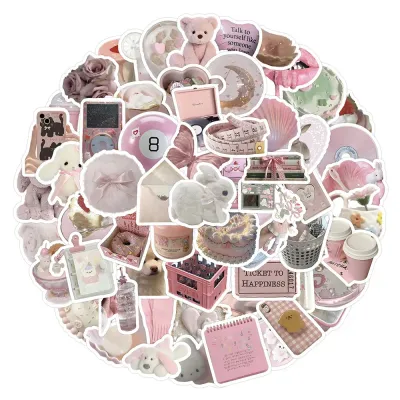
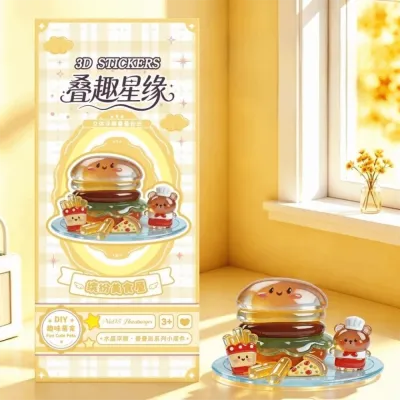
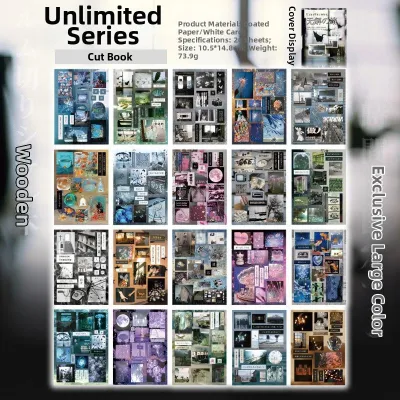
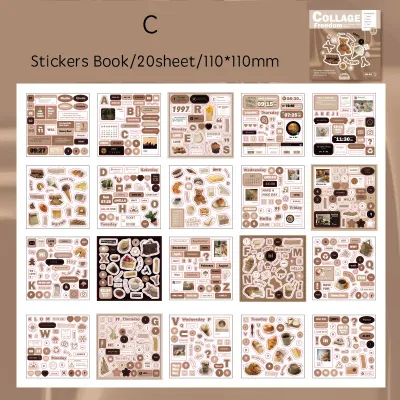
Prices are valid at publication and may change. Please refer to the product page for the latest price.
Understanding sticker materials is key to making a purchase that lasts. Vinyl stickers are highly durable, waterproof, and resistant to tearing, making them the premier choice for items that experience heavy wear or exposure to moisture, such as lunchboxes and water bottles. In contrast, matte paper stickers offer a smooth, non-glare finish that is easy to write on, making them ideal for paper-based items like bullet journals, planners, and indoor subject folders.
Adhesive strength is another critical factor in your decision. Permanent adhesives are designed for long-term placement on durable surfaces, ensuring the sticker will not peel or curl at the edges over time. For high-value personal tech items like laptops, tablets, or phone cases, removable adhesives are highly recommended. These low-tack options allow students to update their style periodically without leaving behind a stubborn, sticky residue that could damage the device’s original finish.
Primary School: Playful, Durable, and Easy-to-Use Designs
For primary school students aged 7 to 12, stickers serve as a joyful way to personalize school supplies and build a sense of ownership over their learning tools. At this stage, the most suitable aesthetic styles lean toward cheerful, bright, and organized designs. Popular choices include pastel kawaii animals, friendly space themes, soft holographic stars, and clean geometric patterns that add color without looking chaotic or messy in a classroom setting.

Because primary school students are highly active, their belongings must withstand frequent drops, spills, and daily cleanings. Water bottles and plastic pencil cases are constantly handled during recess and physical education classes. To ensure decorations survive these active routines, parents should opt for thick, die-cut vinyl stickers with strong, waterproof adhesion. These durable stickers can endure regular washing with dish soap without peeling, fading, or losing their stickiness.
Safety and ease of use are paramount when selecting stationery accessories for younger children. Pre-cut stickers are highly recommended because they do not require scissors, eliminating any risk of accidental cuts. Choosing medium-to-large sticker designs also prevents frustration, as lower primary students are still developing the fine motor skills needed to peel very small or intricate backings. Avoiding tiny sticker pieces also eliminates minor choking hazards in the classroom.
Beyond pure decoration, aesthetic stickers can play a functional role in helping primary schoolers stay organized. Parents can use simple, recognizable icon stickers—such as a small pastel star or a minimalist animal icon—to label personal items like textbooks, color pencil boxes, and folders. This visual identification system helps younger students quickly recognize their own belongings in a crowded classroom, reducing the likelihood of mix-ups or lost items during the school day.
Secondary School: Trendy, Expressive, and Journal-Ready Styles
As students enter secondary school (ages 13 to 16), their style preferences mature, turning toward self-expression, peer trends, and creative hobbies. Popular teen aesthetics include retro vaporwave patterns, Y2K-inspired graphics, minimalist line art, vintage botanical illustrations, and subtle pop-culture references. These designs allow secondary school students to showcase their personality and interests while keeping their school gear looking curated and stylish.
Creative planning and bullet journaling are incredibly popular among secondary school students managing busier academic schedules. For these paper-based projects, matte paper sticker packs and decorative washi tapes are the ideal choices. The soft, matte finish of these stickers is highly practical because it reduces glare under the bright fluorescent lights typical of Singapore classrooms, making planners easier to read and work on during self-study periods.
Personalizing personal tech devices and metal insulated flasks is another major trend for this age group. Secondary students often enjoy “sticker bombing”—layering multiple designs—on their personal tablet cases and laptop lids. When selecting stickers for these items, it is wise to look for waterproof vinyl with UV-resistant coatings. This protection prevents the designs from fading or yellowing when students spend time outdoors during Co-Curricular Activities (CCAs) under the tropical Singapore sun.
While personalizing gear is exciting, students must maintain a balance between self-expression and functionality. When decorating laptops, tablets, or phone cases, stickers should never cover crucial functional areas, such as charging ports, headphone jacks, speakers, or camera lenses. Keeping the layout neat also ensures that the devices remain easy to wipe down and clean, which is essential for maintaining good hygiene in shared school spaces.
Junior College: Minimalist, Functional, and Mature Aesthetics
Junior college students, typically aged 17 to 19, often prefer a highly sophisticated, minimalist aesthetic that mirrors a pre-university environment. Their style choices generally favor muted earth tones, minimalist typography, dark academia motifs, delicate botanical line drawings, and clean, motivational quotes. These subtle designs create a professional, calming study environment that supports focus during intense preparation for major examinations.
At this academic stage, stickers transition from purely decorative accents to highly functional tools. Older students use aesthetic stickers to organize complex lecture notes, color-code different subjects, mark habit trackers, and flag important deadlines in advanced planners or university application folders. Using visually pleasing, color-coordinated functional stickers makes managing a heavy workload feel more structured and less overwhelming.
To support high-level planning, the quality of the sticker material is incredibly important. High-quality matte, transparent, or repositionable washi-style stickers are highly favored for premium planners and notebooks. These materials allow students to reposition a calendar marker or a deadline flag without tearing the thin, high-grade paper of their journals, ensuring their notes remain immaculate and free of unsightly tears.
Junior college students must also consider the professional presentation of their personal devices. Because these students frequently use their laptops and tablets for formal presentations, group project work, internships, or university admission interviews, their tech decorations should remain clean, minimal, and polished. A few carefully curated, high-quality stickers look professional while still allowing for a touch of personal character.
Sourcing Stickers: Where to Shop and What Materials to Check
Singapore offers a wealth of options for finding beautiful, high-quality aesthetic stickers. For those who prefer a tactile shopping experience, local brick-and-mortar stationery stores located in popular shopping malls, neighborhood school bookshops, and independent lifestyle boutiques are excellent starting points. Visiting these stores allows students to feel the texture of the paper, inspect the holographic finishes in person, and verify the thickness of the vinyl before making a purchase.
For a wider variety of unique, niche designs, online marketplaces and independent artist platforms offer endless options. When shopping online, it is crucial to read customer reviews carefully to verify the print resolution, color accuracy, and adhesive quality of the sticker packs. Many independent local artists sell their custom-designed sticker sheets online, providing highly creative and unique options that help students stand out.
Before finalizing any purchase, students and parents should run through a quick material verification checklist. If the stickers are meant for water bottles, lunchboxes, or outdoor gear, check the product description for terms like “PVC,” “vinyl,” or “waterproof laminate.” For stickers intended for journaling, planners, or notebooks, look for terms like “woodfree paper,” “matte finish,” or “washi paper” to ensure they are easy to write on and will not add unnecessary bulk.
Smart budgeting is also important when building a sticker collection. While individual, premium die-cut vinyl stickers from independent artists are beautiful, they can range from S$2 to S$5 per piece, which can quickly add up. For students on a budget, purchasing themed sticker books, multi-pack sheets, or bulk rolls of washi tape is a highly cost-effective alternative. These bulk options often provide dozens of cohesive designs for S$3 to S$8, offering excellent value in SGD while allowing for a beautifully coordinated aesthetic.
Frequently Asked Questions (FAQ)
Can I put aesthetic stickers on my school-issued tablet or laptop?
You should always check your school’s IT acceptable use policy before applying any stickers directly to school-issued personal learning devices. Because these devices are school property and must eventually be returned in good condition, sticking adhesives directly onto them can void warranties or leave permanent damage. To safely personalize your device, apply your aesthetic stickers to a removable protective skin or a clear plastic case instead of the device itself.
How do I safely remove sticker residue from my water bottle?
To safely remove stubborn adhesive residue from a water bottle without scratching the surface, start by soaking the affected area in warm, soapy water for about ten minutes to soften the glue. If the residue persists, gently rub a small amount of household cooking oil or olive oil over the sticky patch using a soft microfiber cloth. Avoid using harsh chemical solvents, steel wool, or abrasive scrubbers, as these can permanently scratch metal finishes or degrade plastic surfaces.
Community discussion
Share your experience or ask a question. Comments are reviewed before publication.