
Finding the perfect spot for your favorite pen, stylus, or marker can transform a cluttered workspace into an efficient, streamlined environment. The ideal pen holder clip mounting type depends entirely on your desk’s physical properties, material composition, and how often you prefer to rearrange your desk setup. There is no single universally superior mounting option; instead, adhesive, clamp, and magnetic mounts each serve distinct structural needs and user workflows.
Adhesive mounts excel in permanent or semi-permanent setups on smooth, non-porous surfaces where edge space is limited. Clamp mounts offer a highly secure, mechanical grip that can be easily moved, making them ideal for standard wooden or composite desks with accessible edges. Magnetic mounts provide the ultimate level of effortless, tool-free repositioning, but they strictly require a ferromagnetic metal surface to function. By evaluating your desk’s material, thickness, and your personal need for flexibility, you can select a mounting mechanism that keeps your writing instruments secure and accessible without risking damage to your workspace.
Understanding the Three Main Mounting Mechanisms
To make an informed decision, it is essential to understand how each of these three mounting types interacts with your desk surface. Each mechanism relies on a different physical principle to resist gravity and the pulling force exerted when you retrieve or replace a pen.
Products mentioned in this guide
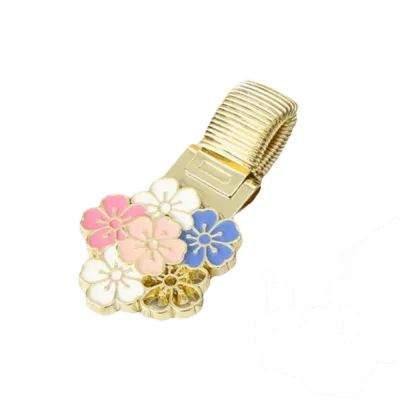
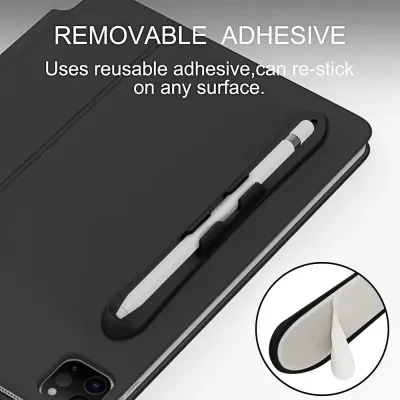
Prices are valid at publication and may change. Please refer to the product page for the latest price.
Adhesive mounts rely on chemical surface bonding. These clips typically feature a flat base pre-applied with double-sided tape or a liquid adhesive pad. When pressed onto a clean, flat, and non-porous surface, the adhesive flows into the microscopic valleys of the material, creating a strong bond. However, this bond is not instantaneous; it requires a specific curing period recommended by the manufacturer before you can safely insert a pen. Because they do not rely on edges or magnetic properties, adhesive clips can be placed almost anywhere, including vertical monitor bezels, the sides of storage drawers, or the center of a glass desk.
Clamp mounts utilize mechanical pressure to stay in place. These devices feature an adjustable jaw mechanism, often controlled by a thumbscrew or a spring-loaded lever, which pinches the edge of your desk. To install a clamp mount, your desk must have a protruding edge with sufficient clearance underneath for the lower jaw and screw mechanism. The mechanical force provides a highly stable hold that can support heavier multi-pen holders or utility clips, but it concentrates physical stress on a small surface area.
Magnetic mounts rely entirely on magnetic attraction. These clips feature an integrated magnet in their base that clings to iron, steel, or other ferromagnetic materials. They require no adhesive curing time and no edge clearance, allowing you to snap them onto steel desk legs, metal privacy screens, or magnetic whiteboards instantly. The primary constraint is material compatibility; if your desk structure does not contain ferromagnetic metals, a magnetic clip cannot function without an additional adhesive-backed metal base plate.
Matching the Mount to Your Desk Material and Thickness
Your desk’s material and physical dimensions are the most critical factors in determining which mounting type will work safely and effectively. Choosing an incompatible mount can lead to poor adhesion, structural slippage, or permanent surface damage.

Glass and highly polished surfaces present unique challenges. While adhesive mounts bond exceptionally well to smooth glass, removing them later can require solvents or scraping tools that risk scratching the surface. If you prefer a clamp mount on a glass desk, you must proceed with caution. The localized point pressure from a tightened clamp can crack or shatter tempered glass if the clamp lacks adequate protective padding. Always look for clamps equipped with soft rubber or silicone pads to distribute the pressure evenly, and avoid over-tightening.
Solid wood, veneered wood, and composite boards like MDF react differently to adhesives and clamps. Porous, unsealed wood surfaces do not allow adhesives to bond fully, which can cause the clip to fall off under the weight of a heavy pen. Conversely, on painted, varnished, or veneered finishes, strong adhesives can bond so intensely that removing the clip tears away the finish or wood fibers. For softer woods like pine, clamp mounts can leave permanent indentations or compression marks if tightened too firmly. Utilizing a protective barrier, such as a thin piece of felt or a silicone coaster between the clamp and the wood, can help preserve the desk’s appearance.
Desk thickness limits are a primary constraint for clamp-on holders. Every clamp mount has a maximum jaw opening capacity specified by the manufacturer. Before purchasing, you must measure your desk’s edge thickness to ensure it falls comfortably within the clamp’s adjustable range. If your desk features a thick solid wood top or a double-layered edge, standard clamps may not open wide enough to fit.
Edge profiles can also obstruct clamp installation. Desks with beveled, rounded, or highly curved edges do not provide the flat parallel surfaces required for a clamp’s jaws to grip securely, which can cause the holder to slip or tilt. Additionally, under-desk obstructions such as metal support beams, cable management trays, or structural drawers can block the lower jaw of a clamp, preventing it from sliding far enough onto the desk edge to achieve a stable hold.
Evaluating Repositioning Needs and Setup Flexibility
Beyond physical compatibility, your daily workflow and how often you alter your workspace layout should guide your choice of mounting mechanism. Some users prefer a set-and-forget configuration, while others constantly refine their desk setup.
If you have a permanent, dedicated stationery zone and do not plan to change your layout, adhesive mounts offer a clean, low-profile solution. They eliminate the visual clutter of bulky metal clamps and can be tucked away in discreet locations, such as the underside of a shelf or the inner wall of a cubicle. However, once applied, moving an adhesive clip usually destroys the adhesive pad, requiring you to clean off the residue and apply a fresh adhesive strip to reuse the holder.
For those who value flexible desk arrangements, clamp and magnetic mounts offer damage-free, reversible movement. If you frequently transition between different tasks—such as sketching, typing, and video conferencing—you can easily slide a clamp-on holder along the desk edge to keep your active writing tools within arm’s reach. Magnetic holders offer even greater freedom, allowing you to lift and snap the clip to different metal surfaces throughout the day without loosening screws or levers.
Whether you are investing in a simple S$5 utility clip or a premium S$20 multi-pen organizer, matching the mount to your workflow ensures you get the best value from your purchase. When it comes to cleanup and maintenance, removing adhesive residue requires careful attention. If you decide to relocate an adhesive holder, you should check the manufacturer’s instructions for safe removal. Some adhesives can be softened with gentle heat from a hairdryer, while others may require mild isopropyl alcohol. Forcing a bonded clip off a delicate surface without proper preparation can ruin the desk’s finish.
It is also important to recognize the spatial limitations of magnetic systems. While they offer unmatched repositioning speed, they only work where your desk’s metal structure allows. If your desk only has steel legs but a wooden top, your magnetic pen holder will be restricted to the lower frame of your desk, which may not be ergonomically convenient for quick access while writing.
Quick Comparison Matrix for Desk Setup Decisions
To help you quickly evaluate your options, the following matrix summarizes how each mounting type performs across key workspace criteria. Use these conditional guidelines to match a holder to your specific environment.
| Mounting Type | Best Desk Surfaces | Repositioning Ease | Key Pre-Purchase Checks |
|---|---|---|---|
| Adhesive | Smooth glass, sealed acrylic, polished metal, finished laminate | Low (requires new adhesive strip to relocate) | Surface texture, finish durability, manufacturer curing instructions |
| Clamp | Flat wood, sturdy composite, metal-edged desks with clear borders | Medium (requires loosening and tightening a screw or lever) | Edge thickness, under-desk clearance, edge profile flatness |
| Magnetic | Steel frames, iron supports, magnetic whiteboards, metal organizer panels | High (instant lift-and-place repositioning) | Ferromagnetic material presence, weight capacity of the magnet |
How to Verify Compatibility Before You Buy
Taking a few minutes to verify your desk’s physical characteristics before purchasing a pen holder clip can save you the hassle of dealing with incompatible accessories. Follow this practical checklist to ensure a seamless fit.
First, gather your measuring tools. Use a standard ruler, tape measure, or calipers to measure the exact thickness of your desk’s edge. Compare this measurement against the maximum jaw opening specification of any clamp-on holder you are considering. Additionally, look underneath your desk to ensure there is at least several centimeters of clear, unobstructed flat space behind the edge to accommodate the clamp’s lower foot.
Second, perform a simple material test if you are considering a magnetic mount. Do not assume a metal desk or support frame is magnetic, as aluminum, brass, and certain grades of stainless steel do not attract magnets. Take a common household magnet, such as a refrigerator magnet, and place it against the exact spot where you plan to mount the holder. If the magnet clings firmly, a magnetic pen holder will work; if it slides off or feels weak, you will need to choose an adhesive or clamp mount instead.
Third, read the product labels and manufacturer specifications carefully. Pay close attention to the recommended pen diameter range. A clip designed for slim ballpoint pens may stretch or snap if you attempt to force a thick fountain pen or a digital stylus into it. Conversely, a clip that is too wide will allow thin pens to slide straight through. Check the maximum weight capacity if you plan to store heavy multi-color pens or metal-bodied writing instruments.
The security of the pen inside the clip depends on the exact material combination of the clip’s inner grip and your pen’s barrel. For instance, a smooth metal fountain pen may slide more easily than a textured rubber gel pen, so testing the grip tension with your specific writing instruments is a useful verification step.
Finally, know when to abandon a specific mounting type. If your desk edge is exceptionally thick, structurally fragile, or features a complex beveled profile, do not attempt to force a clamp mount to fit. Similarly, if your desk has a delicate, unsealed antique wood finish, avoid strong adhesives entirely. Recognizing these stopping conditions early will protect your valuable furniture and guide you toward a safer, more reliable mounting alternative.
Frequently Asked Questions (FAQ)
Will adhesive pen holder clips damage my desk when removed?
Whether an adhesive clip damages your desk depends entirely on the surface material and the strength of the bond. On durable, non-porous surfaces like glass, metal, or high-pressure laminate, adhesives can usually be removed cleanly with the help of a little isopropyl alcohol or adhesive remover. However, on painted surfaces, soft wood veneers, or unsealed finishes, the adhesive can pull away the top layer of paint or wood fibers during removal. Always check the manufacturer’s removal instructions, apply gentle heat to soften the bond before pulling, and stop immediately if you feel excessive resistance.
Can I use a clamp pen holder on a glass desk?
You can use a clamp pen holder on a glass desk, but you must take specific precautions to prevent structural damage. Glass is highly susceptible to cracking under concentrated point pressure. Ensure the clamp you select features integrated rubber, silicone, or foam protective pads on both the upper and lower jaws to distribute the clamping force. Never over-tighten the clamp; it only needs to be tight enough to prevent sliding. If your glass desk is exceptionally thin or lacks tempering, consult the desk manufacturer’s guidelines before applying any mechanical clamps.
Do magnetic pen holders work on all metal desks?
No, magnetic pen holders do not work on all metal desks because not all metals are ferromagnetic. Magnetic mounts require iron, steel, nickel, or cobalt to create a secure hold. Many modern office desks utilize aluminum frames or non-magnetic stainless steel components for their lightweight and rust-resistant properties. To avoid purchasing an incompatible accessory, always perform a quick test with a standard household magnet on your desk’s metal surfaces before buying a magnetic holder.
Community discussion
Share your experience or ask a question. Comments are reviewed before publication.