
Selecting the perfect yarn for your next knitting project is a balance of texture, structure, thermal comfort, and ease of maintenance. There is no single “best” yarn; the ideal choice depends entirely on your project’s required drape, warmth, and care routine.
By understanding how acrylic, cotton, and wool behave, you can match the fiber to your creative vision. A simple decision framework helps narrow down your choices instantly:
- Choose Acrylic if you need an affordable, machine-washable, and hypoallergenic yarn for everyday items, large blankets, or beginner practice.
- Choose Cotton if you are knitting summer garments, dishcloths, or home accessories that require high breathability, crisp stitch definition, and cool comfort.
- Choose Wool if you need warmth, natural elasticity, and shape retention for winter wearables, socks, or intricate colorwork.
While these three primary fibers represent the pillars of the knitting world, commercial blends also exist to balance their individual traits. Mixing fibers allows you to capture the elasticity of wool alongside the easy care of acrylic, or the cool breathability of cotton with the lightweight nature of synthetic fibers.
Products mentioned in this guide
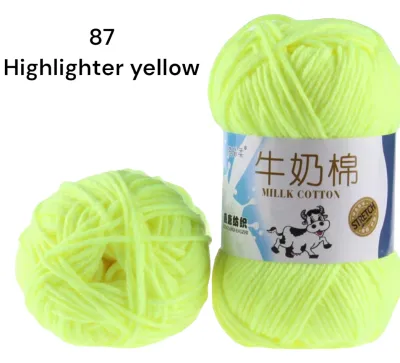
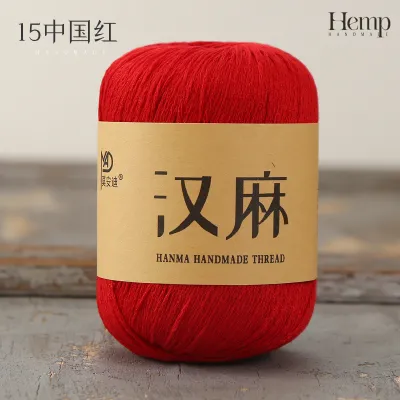
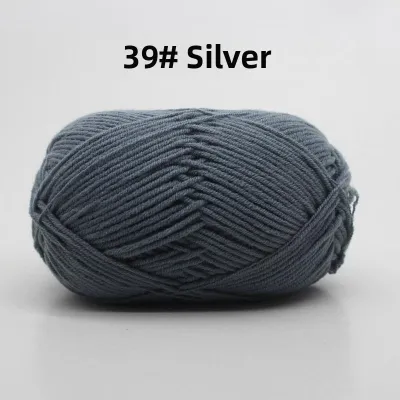
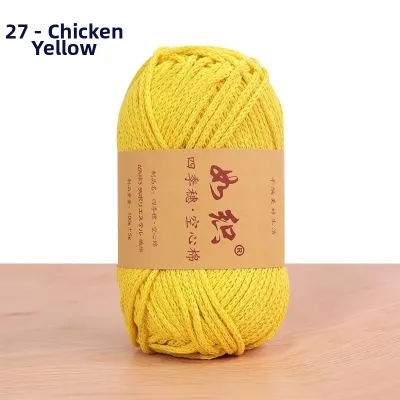
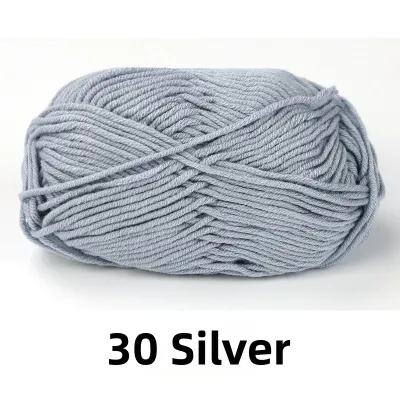
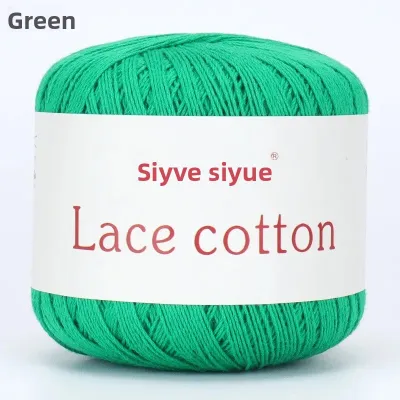
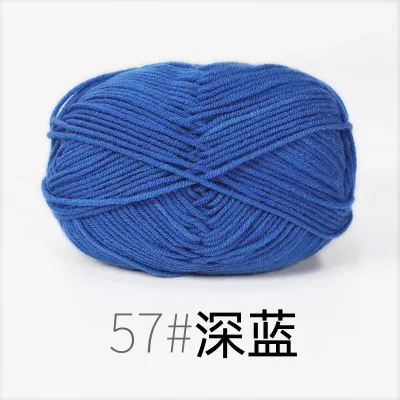
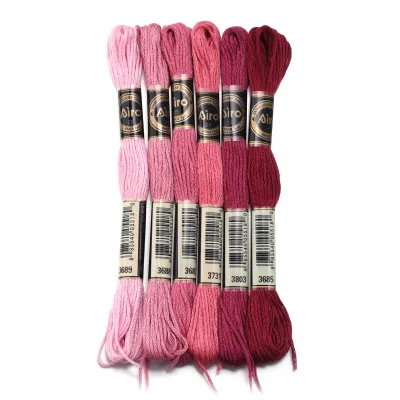
Prices are valid at publication and may change. Please refer to the product page for the latest price.
The Basics: What Defines Acrylic, Cotton, and Wool?
Acrylic Yarn: The Synthetic Standard
Acrylic yarn is a petroleum-based synthetic fiber manufactured to mimic the warmth and loft of natural wool. Because it is produced through an industrial extrusion process, it offers highly uniform thickness and consistent color across dye lots. It is lightweight, resistant to moths and mildew, and does not degrade easily over time.
Unlike natural animal fibers, acrylic does not contain proteins, making it completely hypoallergenic and safe for individuals with sensitive skin. It is widely available in a vast array of colors and is generally the most budget-friendly option on the market.
Cotton Yarn: The Breathable Plant Fiber
Cotton yarn is a natural, cellulose-based plant fiber harvested from the cotton boll. It is characterized by its high density, excellent moisture absorption, and complete lack of natural elasticity. Because the individual fibers are smooth and lack a fuzzy surface halo, cotton produces exceptionally crisp, well-defined stitches.
This fiber is highly breathable and pulls heat away from the body, making it a staple for warm-weather apparel. Cotton yarn is typically sold in two main finishes: matte (unmercerized) for maximum absorbency, and mercerized, which has been treated to give it a lustrous, silk-like sheen and enhanced strength.
Wool Yarn: The Elastic Animal Fiber
Wool is a protein-based natural fiber sheared from sheep, known for its incredible warmth and structural resilience. The defining characteristic of wool is its natural crimp, a wavy structure that creates tiny air pockets to trap body heat while allowing moisture to escape. This crimp also gives wool remarkable elasticity and “memory,” allowing the knitted fabric to stretch and bounce back to its original shape.
Wool is highly insulating, water-repellent, and capable of absorbing up to 30 percent of its weight in moisture without feeling damp to the touch. While standard wool can feel scratchy to some, premium varieties like merino offer incredibly fine fibers that feel soft against the skin.
Head-to-Head Comparison: Texture, Care, and Durability
Elasticity, Drape, and Stitch Definition
The physical structure of each fiber dictates how it behaves on your knitting needles and how the finished fabric hangs. Wool is the most elastic of the three, acting like a tiny spring. This natural bounce makes wool incredibly forgiving for knitters with uneven tension, as the stitches naturally settle and balance out during blocking. Wool garments hold their shape beautifully over years of wear, making them ideal for fitted garments, ribbed cuffs, and complex cable patterns.

Cotton, by contrast, has zero natural elasticity. When you pull a cotton strand, it does not stretch or snap back. This lack of give can make cotton tiring to knit with for long periods, as your hands must do all the work to maintain tension. Because cotton is dense and heavy, finished garments tend to drape deeply and stretch downward under their own weight. However, this weight creates a beautiful, fluid drape that is highly desirable for loose summer tops, while its smooth surface delivers exceptionally sharp stitch definition that makes lace patterns pop.
Acrylic sits in a moderate middle ground. It has some synthetic elasticity, making it easier on the hands than cotton, but it lacks the true structural memory of wool. While it drapes decently, acrylic is highly sensitive to heat. If you expose acrylic fabric to high heat—such as a hot iron or steam—you can “kill” the yarn. This process permanently melts the synthetic fibers, causing the fabric to lose all its remaining elasticity and turn into a very limp, shiny, and floppy material.
Warmth, Breathability, and Climate Comfort
Thermal performance is where these three fibers diverge most dramatically, making fiber selection highly dependent on your local environment. Wool is the undisputed champion of warmth. Its crimped fibers trap dead air, creating a highly efficient thermal barrier. Because it wicks moisture away from the skin, wool keeps you warm even if you get caught in a sudden rain shower.
Cotton is virtually the opposite of wool; it is a cool fiber that conducts heat away from the skin. Its highly breathable structure allows air to circulate freely, preventing heat buildup. While cotton absorbs sweat quickly, it dries slowly, which can leave a heavy garment feeling damp if you sweat excessively. Acrylic provides moderate warmth but suffers from very low breathability. Because it is essentially plastic, acrylic traps body heat and moisture close to the skin, which can lead to a clammy or sweaty feeling in warm conditions.
For knitters living in tropical climates like Singapore, where daily temperatures average 27°C to 31°C with high humidity, these thermal properties are crucial. Wearing a heavy wool sweater outdoors is impractical. Local crafters favor breathable cotton for daily wear, lightweight tees, and market bags. Lightweight acrylic or acrylic-cotton blends are highly popular for indoor air-conditioned environments, such as offices, lecture halls, or malls, where temperatures are kept low. Pure wool is best reserved for travel projects aimed at cooler overseas destinations or cozy indoor home accessories.
Washing, Blocking, and Long-Term Care
The effort you want to invest in maintaining your finished project should heavily influence your yarn choice. Natural wool is prone to felting and shrinking. The outer surface of wool fibers is covered in microscopic scales; when exposed to the combination of heat, water, and friction in a washing machine, these scales lock together permanently, turning your beautiful sweater into a stiff, shrunken piece of felt. Unless the label explicitly states “superwash” (meaning the scales have been chemically removed or coated), wool must be hand-washed gently in cool water and laid flat to dry.
Cotton is highly durable and easily withstands the mechanical agitation of washing machines. It can handle warm water and machine drying, though 100% cotton garments are prone to shrinking during their first hot wash. Because cotton holds onto water, it takes a significantly longer time to air-dry compared to synthetic fibers.
Acrylic is the ultimate low-maintenance fiber. It can be tossed into standard washing machines and tumble dryers without any risk of shrinking, felting, or stretching. It dries incredibly fast and resists fading over time. The primary risk with acrylic is heat; you must avoid hot dryer settings and never touch the fabric with a hot iron, as the synthetic fibers will melt and warp.
Project Matching: What to Knit with Each Yarn Type
Wearables and Garments
When knitting clothing, matching the fiber to the garment’s purpose ensures comfort and longevity. Wool is the premier choice for cold-weather garments like winter sweaters, thick cardigans, beanies, mittens, and socks. Its elasticity ensures that ribbed cuffs and collars maintain their snug fit over time, while its warmth keeps the cold at bay. For socks, always look for a wool yarn blended with 15 to 25 percent nylon to provide the necessary durability in high-friction areas like the heel and toe.
Cotton is ideal for warm-weather garments, including summer tees, camisoles, openwork shawls, and lightweight beach cover-ups. Its heavy drape creates elegant, flowing silhouettes that do not cling to the body. It is also excellent for structured accessories like market bags, where the lack of stretch prevents the bag from stretching down to the ground when filled with groceries.
Acrylic is highly practical for everyday, casual garments that require frequent washing. It works well for casual cardigans, oversized sweaters, and school scarves. While it may not offer the luxurious feel of natural wool, high-quality acrylic yarns are soft enough for daily wear and hold up well to the rigors of active lifestyles.
Home Goods and Utility Items
Household projects demand fibers that can handle friction, moisture, and frequent cleaning. Cotton is the undisputed champion for kitchen and bath items. Its high absorbency, heat resistance, and durability make it perfect for dishcloths, hand towels, pot holders, coasters, and bath mats. Unlike synthetic fibers, cotton will not melt when exposed to a hot pan, and its slightly scrubby texture is excellent for cleaning surfaces.
Acrylic is the preferred choice for large home decor projects like throw blankets, afghans, and decorative pillows. Knitting a large blanket requires a significant volume of yarn; using acrylic keeps the project highly affordable. Additionally, a large acrylic blanket is lightweight and easy to wash in a standard home machine, making it highly practical for homes with pets or young children.
Wool blankets offer unmatched luxury, weight, and warmth, making them beautiful heirloom pieces. However, they are heavy, expensive to make, and require delicate hand-washing or dry cleaning, which can be highly impractical for daily family use.
Baby Items and Sensitive Skin
Knitting for babies, toddlers, or individuals with sensitive skin requires careful attention to fiber softness, chemical safety, and washability. Babies are prone to spills, drool, and diaper accidents, meaning any knitted item must be easily sanitizable.
High-quality acrylic yarn, particularly those labeled “baby acrylic,” is a popular choice. It is incredibly soft, completely hypoallergenic, and can survive endless trips through the washing machine and dryer. It does not harbor dust mites or mold, making it safe for infants with respiratory sensitivities.
Organic, unmercerized cotton is another exceptional option. It is incredibly gentle on delicate skin, highly breathable to prevent overheating, and free from synthetic chemicals or dyes that could cause irritation. It is perfect for baby onesies, lightweight blankets, and chewable soft toys.
Traditional wool can be too scratchy for sensitive baby skin and is difficult for busy parents to wash. If you want to use wool, select a “superwash merino” yarn. Merino fibers are exceptionally fine and soft, avoiding the itchiness of coarser wools, while the superwash treatment allows the garment to be machine-washed without felting.
How to Test and Verify Your Yarn Choice Before Knitting
Reading the Yarn Label
Before purchasing your yarn or casting on, you must carefully inspect the yarn label to verify its specifications. The label contains vital technical data that ensures compatibility with your pattern. First, check the fiber content percentages to know exactly what you are working with. Next, look at the yarn weight standard, which is typically categorized from 0 (lace) to 7 (jumbo), and verify the recommended knitting needle size listed in millimeters.
The label also displays standardized care symbols indicating washing and drying instructions. Finally, always check the dye lot number. Yarn is dyed in large batches, and subtle differences in water temperature, chemical balance, or dye timing can cause slight color variations between batches. Ensure every skein you buy for a single project shares the exact same dye lot number to avoid visible horizontal lines across your finished fabric.
The Importance of Swatching
Knitting a gauge swatch is the most reliable way to test how your chosen yarn behaves with your needles and personal knitting tension. Cast on enough stitches to knit a square that is at least 4 by 4 inches (10 by 10 centimeters) in the stitch pattern specified by your project.
As you knit, observe how the yarn feels. Does it split easily when your needle tip catches the plies? Does it glide smoothly, or does it feel sticky? Swatching is especially critical for cotton, as it allows you to feel the weight of the fabric and determine if it will sag. For wool, swatching helps you see how the stitches relax and whether your tension is consistent.
Washing and Blocking the Swatch
A swatch is not complete until it has been washed and blocked. Treat your swatch exactly as you plan to treat the finished garment. If you intend to machine-wash and tumble-dry an acrylic baby blanket, put the swatch through the wash and dry cycles. If you are making a delicate wool sweater, hand-wash the swatch in lukewarm water with wool wash, gently squeeze out the excess water in a towel, and lay it flat to dry.
Once the swatch is completely dry, measure your stitch and row gauge again. Compare these numbers to your pre-washed measurements. Wool often “blooms” and expands significantly after blocking, while cotton may shrink in length but expand in width. Measuring your post-blocked gauge is the only way to guarantee that your finished garment will fit perfectly after its first wash.
Frequently Asked Questions (FAQ)
Can I blend or mix different yarn fibers in one project?
Yes, mixing fibers is a fantastic way to combine the best properties of different materials. Commercial blends, such as a 50% wool and 50% acrylic mix, offer the elasticity and warmth of wool alongside the durability and easy care of acrylic. However, avoid manually holding two vastly different 100% single-fiber yarns together (such as a strand of 100% cotton held with a strand of 100% wool) unless you are an experienced knitter. Different fibers shrink, stretch, and react to water at completely different rates, which can cause severe warping, puckering, or distortion when the finished item is washed.
Which yarn is the most forgiving for beginner knitters?
For beginner knitters, a light-colored, worsted-weight (medium) yarn made from acrylic or a wool-acrylic blend is highly recommended. Acrylic is extremely budget-friendly, allowing you to practice stitches and undo mistakes without worrying about damaging expensive fibers. Wool-acrylic blends provide excellent elasticity, which naturally helps even out your tension as you learn to hold the yarn. Avoid dark colors, as they make it incredibly difficult to see your stitches. You should also steer clear of highly textured novelty yarns, which easily hide mistakes but make dropping stitches common, and 100% cotton, which lacks stretch and can quickly tire out beginner hands.
Why does my cotton knitting stretch out, and how do I fix it?
Cotton garments stretch out because cotton fibers lack natural elasticity and structural memory. Once the weight of the garment pulls the stitches downward, the fibers cannot bounce back to their original shape. To prevent this, knit your cotton projects at a slightly tighter gauge than recommended, which creates a denser, more supportive fabric structure. Choose patterns that feature structural seams, ribbing, or tight textured stitches (like seed stitch or garter stitch) to help hold the garment’s shape. Alternatively, select a cotton-acrylic or cotton-polyester blend, as the synthetic fibers introduce the necessary elasticity to keep the garment from sagging.
Community discussion
Share your experience or ask a question. Comments are reviewed before publication.