
Selecting the right material for custom display packaging requires balancing visual appeal, structural integrity, and budget. For high-end retail displays, collectible showcases, or premium product packaging, the choice typically comes down to three options: acrylic sheets, glass, and polycarbonate. Each material offers distinct advantages in clarity, weight, impact resistance, and ease of fabrication, meaning the optimal choice depends entirely on your specific application and shipping environment.
When designing custom packaging, you must consider how the material will behave not only on a retail shelf but also during transit and handling. A material that looks pristine in a showroom might crack during shipping, while an ultra-durable alternative might scratch too easily or lack the premium weight that consumers associate with luxury. By analyzing the physical properties and fabrication requirements of acrylic sheets, glass, and polycarbonate, you can select a material that protects your product while presenting it in the best possible light.
Match Material to Your Display Packaging Needs
To streamline your selection process, start by identifying the primary constraint of your packaging project. If your priority is a balance of high optical clarity, lightweight handling, and moderate impact resistance at a mid-range cost, an acrylic sheet is often the most practical choice. It provides the look of glass without the associated weight or fragility, making it a staple for retail display boxes and protective covers.
Products mentioned in this guide

10 Lazada user ratings
Item received size is correct. Item well protected with no damaged.
very good and quick delivery
very good. quick delivery
Good quality
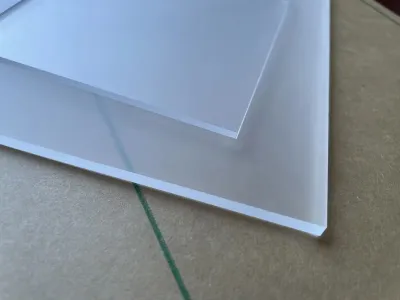
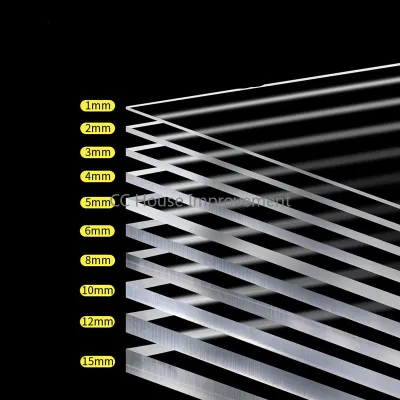
![[SG STOCK] Clear Acrylic Sheet Cast Grade A | A6 A5 A4 A3 A2 1mm 3mm 5mm](https://img.lazcdn.com/g/p/ede8ee51ed01d5d51cf05baa78c8c553.jpg_400x400q80.jpg_.webp)
21 Lazada user ratings
Received the package in good condition. delivery was fairly fast. it fits perfectly in the frame and looks great
Clear and transparent, 50mm width for standard frames,
It's just a little small.
Too small. No use at air.
1 Lazada user ratings
Thick sturdy sheet. Bought for holding paper while watercolor painting
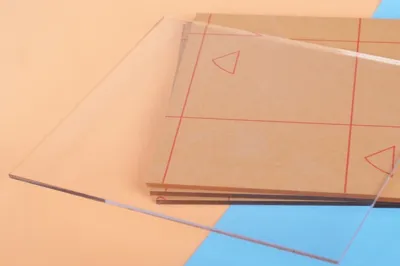
135 Lazada user ratings
2 sheets were 2mm thick. 3rd sheet is thinner. overall ok
Fast delivery. Nicely packed. Yet to use.
Received in good condition m packing
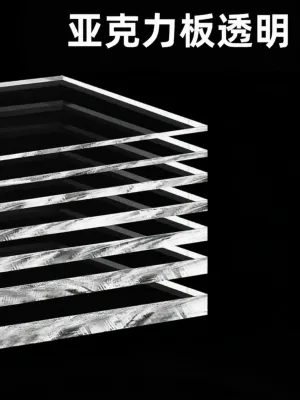
14 Lazada user ratings
Very nice. Perfect for my desktop
Quality:ok Price:ok Variety:ok
Good! No damage. Thank you
Prices are valid at publication and may change. Please refer to the product page for the latest price.
For projects where premium scratch resistance, absolute optical fidelity, and a high-end unboxing experience are the top priorities, glass remains the traditional standard. Despite its weight and vulnerability to sharp impacts, glass conveys an immediate sense of luxury and permanence that plastics struggle to replicate. It is ideal for stationary luxury goods, high-value jewelry cases, and permanent in-store fixtures where handling is minimal.
When extreme impact resistance, shatterproof safety, and long-term structural durability are mandatory, polycarbonate is the clear winner. This material is virtually unbreakable, making it suitable for heavy-duty industrial packaging, outdoor displays, or high-traffic retail environments where accidental drops are common. However, choosing polycarbonate requires accepting potential trade-offs, such as a higher susceptibility to surface scratching and a higher initial material cost.
Before finalizing your material choice, verify if your display packaging requires specific performance upgrades. For example, prolonged exposure to sunlight requires UV-filtering grades to prevent yellowing of the packaging or fading of the enclosed product. Similarly, exposure to cleaning chemicals or the need for complex thermoformed shapes will dictate whether you need cast acrylic, extruded acrylic, or specialized polycarbonate sheets.
Evaluate Optical Clarity and Surface Finish
Visual presentation is the core function of display packaging, making optical clarity a critical evaluation metric. Standard glass offers excellent light transmission, typically around 90%, but standard float glass can introduce a slight green tint due to iron content, which may distort the true colors of your product. Low-iron glass options are available to eliminate this tint, though they increase the overall cost.

Acrylic sheets offer exceptional optical clarity, often transmitting up to 92% of visible light, which is higher than standard glass. This high transmission rate ensures that colors remain vibrant and true to life, making acrylic an excellent choice for showcasing colorful cosmetics, art pieces, or detailed stationery. Polycarbonate, while still highly transparent, typically has a slightly lower light transmission rate of around 88% to 90% and can exhibit a very subtle blue or grey hue in thicker sheets.
Surface durability directly impacts how long your packaging maintains its pristine appearance. Glass possesses superior inherent scratch resistance, easily resisting everyday abrasions from cleaning cloths, fingernails, or sliding contact. In contrast, both acrylic and polycarbonate are relatively soft plastics that scratch easily. When sourcing these materials, you must check the manufacturer’s specifications for hard-coat or anti-scratch treatments, which apply a thin, protective layer to the surface to improve durability.
Glare and reflections can obscure the view of your product in brightly lit retail environments or under direct showroom spotlights. While all three materials reflect light, glass and acrylic can be treated with anti-reflective coatings or manufactured with matte finishes to diffuse reflections. When evaluating supplier samples, look at the material under various lighting angles to determine if a specialized non-glare finish is necessary for your specific display setup.
To ensure high-quality aesthetics, perform observable checks on the edges and surfaces of your samples. High-quality acrylic sheets can be flame-polished or diamond-polished to achieve a perfectly transparent, glass-like edge. Polycarbonate edges do not polish as cleanly and often retain a dark or matte appearance, which may require framing or hiding within the packaging structure. Glass requires precise beveling or polishing to eliminate sharp edges and ensure safe handling.
Compare Weight and Structural Handling
The weight of your packaging material influences everything from structural design to shipping logistics. Glass is a dense, heavy material, weighing more than twice as much as acrylic or polycarbonate of the same thickness. This high density adds a premium feel to small, hand-held packaging but becomes a significant liability for larger display cases or bulk shipments.
Using lighter materials like acrylic or polycarbonate sheets can dramatically reduce shipping costs, particularly for bulk distribution or international air freight. Because these plastics are lightweight, they require less heavy-duty outer packaging and are easier for warehouse staff to handle. For large-format retail displays, reducing the weight of the display panels simplifies assembly and lowers the risk of injury during installation.
Rigidity and load-bearing capacity are crucial for maintaining the structural integrity of your display packaging. Glass is highly rigid and does not bow or flex under load, making it ideal for shelving or structural panels that must support heavy items. Acrylic is also relatively rigid but can flex if the sheet is too thin for its span. Polycarbonate is the most flexible of the three, meaning it may require thicker sheets or additional structural support to prevent bowing or deformation when used for larger flat panels.
Consider how the end-user will interact with the packaging. If the display is designed to be opened, closed, or moved frequently by retail staff or customers, a lighter material like acrylic provides a smoother, safer user experience. Heavy glass doors or lids require robust hinges and dampening mechanisms to prevent slamming, whereas lightweight plastic components can operate reliably with simpler, more cost-effective hardware.
Assess Impact Resistance and Shatter Risks
Protecting the enclosed product during transit and retail display is a primary requirement for custom packaging. Standard glass is highly fragile and susceptible to impact damage, posing a significant risk of breakage during shipping or in-store handling. When glass breaks, it shatters into sharp, dangerous shards that can damage the product and pose a severe safety hazard to consumers and staff.
Acrylic sheets offer significantly higher impact resistance than standard glass, typically resisting impacts up to ten times better before fracturing. When acrylic does fail, it tends to crack or break into large, relatively dull pieces rather than shattering into tiny, sharp fragments. This failure mode makes acrylic a much safer alternative for retail environments where customer contact is frequent.
Polycarbonate is renowned for its extreme impact resistance, often rated at over two hundred times the impact strength of standard glass. It is virtually shatterproof and can withstand severe blows, drops, and rough handling without cracking or breaking. Instead of fracturing, polycarbonate is more likely to dent or deform under extreme force, making it the safest option for high-value items, outdoor displays, or transit packaging that must endure harsh shipping conditions.
If your project demands the premium feel of glass but must also meet safety requirements, you must specify tempered or laminated glass. Tempered glass is heat-treated to increase its strength and, if broken, crumbles into small, relatively harmless granular chunks. Laminated glass bonds two layers of glass with a plastic interlayer, ensuring that any broken fragments remain adhered to the film rather than scattering. Both options increase production costs and lead times.
To verify the durability claims of your packaging manufacturer, request specific testing data or perform simple, observable checks on prototype samples. Ask for standardized impact test results, such as the Izod impact strength or ball-drop test data, which measure the energy required to fracture the material. You can also conduct in-house drop tests with sample packaging to observe how the material behaves under realistic shipping and handling scenarios.
Analyze Cost, Fabrication, and Customization
Budget constraints and manufacturing feasibility play a decisive role in material selection for custom packaging. Baseline material costs generally position acrylic as the most cost-effective plastic option, while polycarbonate is typically more expensive due to its advanced durability. Standard glass can be highly economical in simple, flat shapes, but the cost escalates rapidly when tempering, laminating, custom cutting, or edge polishing is required.
Fabrication ease varies significantly among these materials, directly impacting production lead times and labor costs. Acrylic is exceptionally versatile; it can be easily laser-cut to precise dimensions, flame-polished for crystal-clear edges, and thermoformed into complex, curved shapes. This makes acrylic sheets highly adaptable for intricate, custom-designed packaging structures that require unique geometries or seamless joints.
Polycarbonate is more challenging to fabricate. While it can be cold-bent or machined, laser-cutting polycarbonate often results in charred, discolored edges, requiring specialized mechanical routing or water-jet cutting instead. Glass is the most restrictive material to customize, demanding specialized diamond-tipped cutting tools, water-jet cutting, and dedicated machinery for edge grinding and polishing, which limits design flexibility and increases setup costs.
Assembly and joining methods must also be compatible with your chosen material. Acrylic can be chemically welded using solvent cements that fuse the plastic pieces together, creating incredibly strong, optically clear joints. Polycarbonate can also be bonded with specialized adhesives, though it is more sensitive to stress cracking from certain solvents. Glass requires high-strength ultraviolet-curing adhesives or mechanical fasteners, which must be carefully integrated into the packaging design to ensure a clean, professional finish.
When calculating the total cost of ownership, look beyond the initial manufacturing price. Consider the potential replacement rates of your packaging throughout its lifecycle. While glass packaging may have a lower initial material cost in some configurations, its high breakage rate during shipping and handling can lead to costly product losses and replacement expenses. Conversely, while polycarbonate has a higher upfront cost, its durability can reduce replacement rates, making it more economical over time for reusable or long-term display applications.
Final Verification Checklist Before Ordering
Before committing to a full production run of custom display packaging, it is essential to run through a final verification process to prevent costly manufacturing errors. First, confirm that your specifications detail the exact thickness, material grade, and surface coatings required. For instance, if you selected an acrylic sheet, specify whether you require cast acrylic for superior optical clarity and machining, or extruded acrylic for tighter thickness tolerances and lower costs.
Next, request physical prototypes or material samples from your supplier. Use these samples to conduct hands-on, observable checks in your actual retail or display environment. Examine the clarity under your specific lighting setup, test how the material handles the weight of your product, and inspect the quality of the edge finishes. This step ensures that the material meets your aesthetic standards and functional requirements before mass production begins.
Verify that your chosen supplier has the specific fabrication capabilities required for your design. If your packaging involves complex curves, laser engraving, or precise solvent bonding, ensure the manufacturer has documented experience with those techniques on your chosen material. Ask for samples of their previous work to evaluate the strength and neatness of their joints, seams, and cut edges.
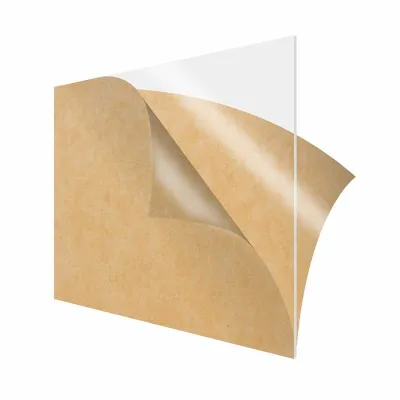
Finally, review the shipping and protective packaging protocols for the raw materials and the finished display boxes. Acrylic and polycarbonate sheets should ship with protective masking films on both sides to prevent surface scratching during transit and handling. Ensure that your supplier’s packaging plan includes adequate cushioning, edge protectors, and secure stacking methods to prevent transit damage, ensuring your custom display packaging arrives in pristine, retail-ready condition.

Community discussion
Share your experience or ask a question. Comments are reviewed before publication.