
Sealing a package box securely requires matching the right adhesive tape to your specific shipping scenario. Using the wrong tape can lead to popped seams, exposed contents, or damaged goods during transit. To make the correct choice, you must evaluate three primary tape types: acrylic, hot melt, and reinforced filament tape.
The ideal tape for your package box depends on the weight of the box, the distance it will travel, and the environmental conditions it will encounter. While a lightweight local delivery might only require a standard acrylic tape, a heavy international shipment demands the high tensile strength of reinforced tape. Understanding how these adhesives interact with cardboard surfaces ensures your shipment arrives intact.
Understanding Acrylic, Hot Melt, and Reinforced Tapes
To select the best tape, it is essential to understand the material composition and adhesive properties of each option. Each type is engineered for specific performance characteristics, ranging from long-term stability to immediate bonding power.
Products mentioned in this guide
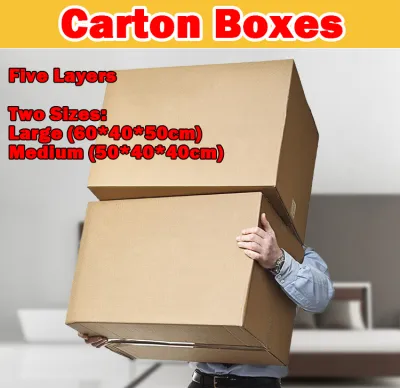
Prices are valid at publication and may change. Please refer to the product page for the latest price.
Acrylic tape features a water-based or solvent-based acrylic adhesive applied to a polypropylene backing. This tape is highly regarded for its excellent resistance to ultraviolet (UV) light and oxidation, meaning it will not yellow or degrade when exposed to sunlight over long periods. It performs reliably across a wide temperature range once cured, making it the standard choice for long-term storage and general warehouse sealing. However, its initial tack is lower than other options, meaning it requires firm pressure during application to build a strong bond.
Hot melt tape utilizes a synthetic rubber adhesive that liquefies when heated during manufacturing and bonds instantly as it cools on the tape backing. This process gives hot melt tape an exceptionally high initial tack, allowing it to grab onto cardboard surfaces immediately upon contact. It is highly effective for fast-paced packing environments and automated carton sealers. The trade-off is its sensitivity to temperature extremes; prolonged exposure to high heat or freezing conditions can cause the synthetic rubber adhesive to soften or become brittle, potentially compromising the seal.
Reinforced tape, often referred to as filament tape, is constructed with fiberglass filaments embedded along the length of the backing material. This unique structure provides immense tensile strength, making it virtually impossible to tear by hand. The adhesive used is typically a high-tack synthetic rubber or hot melt formulation designed to grip heavy-duty corrugated cardboard. Reinforced tape is reserved for heavy packages, structural bundling, and reinforcing box joints that experience extreme stress during handling.
Choosing by Box Weight and Shipping Distance
Selecting the right tape is a balance between the physical demands of the package box and the journey it will take. Matching the tape’s strength to the package weight and transit distance prevents over-engineering simple shipments while ensuring heavy boxes remain securely sealed.

For light to medium boxes weighing under 10 kg that are traveling short distances—such as local courier deliveries within Singapore—standard acrylic tape is highly efficient. These shipments spend minimal time in transit and undergo fewer sorting stages, meaning the tape is subjected to low physical stress. Acrylic tape provides a reliable, cost-effective seal that holds up well in local tropical humidity.
Heavy, oversized, or irregularly shaped boxes weighing over 15 kg require a tape that can withstand structural shifting. When a heavy box is lifted, the contents exert outward pressure on the bottom and side flaps. In these scenarios, hot melt tape or reinforced tape is necessary. Hot melt tape offers the quick bonding power needed to hold stiff cardboard flaps down, while reinforced tape provides the physical strength to prevent the box from splitting open under load.
Long-distance and international shipping introduce unpredictable environmental factors, including extreme temperature fluctuations inside shipping containers and cargo holds. For these journeys, acrylic tape is preferred for light to medium boxes due to its stable temperature resistance. For heavy international shipments, reinforced filament tape should be applied along critical stress points to survive multiple sorting hubs, conveyor belts, and manual handling stages.
To guide your selection, apply this decision framework based on your specific transit conditions:
- Choose Acrylic if you are packing light to medium boxes, storing items long-term, or shipping packages through varying temperature zones.
- Choose Hot Melt if you need a fast, immediate bond on standard cardboard boxes, are using automated tape dispensers, or are shipping medium-weight packages locally.
- Choose Reinforced if you are sealing heavy boxes over 20 kg, shipping high-value or fragile items, or bundling multiple packages together.
The following decision matrix summarizes the recommended tape types based on box weight and shipping distance:
| Box Weight | Shipping Distance | Recommended Tape Type | Key Selection Reason |
|---|---|---|---|
| Under 10 kg | Local / Short-Distance | Acrylic | Cost-effective, reliable for light loads in local humidity |
| Under 10 kg | Long-Distance / International | Acrylic | High temperature stability during extended transit |
| 10 kg to 20 kg | Local / Short-Distance | Hot Melt | High initial tack secures stiff cardboard flaps quickly |
| 10 kg to 20 kg | Long-Distance / International | Hot Melt or Reinforced | Hot melt for standard boxes; reinforced for high-stress joints |
| Over 20 kg | Any Distance | Reinforced | Fiberglass filaments prevent tearing under heavy loads |
Verifying Box Surface and Environmental Conditions
Even the strongest adhesive tape can fail if the surface of the package box or the surrounding environment is not properly prepared. Before applying any tape, you must inspect the cardboard material and the workspace conditions to ensure a secure bond.
The type of cardboard used for your package box significantly impacts adhesive performance. Virgin corrugated cardboard has long, clean wood fibers that provide an ideal surface for adhesives to grip. In contrast, recycled corrugated cardboard contains shorter fibers and a higher concentration of paper dust on the surface. This dust can coat the tape’s adhesive, preventing it from making direct contact with the cardboard fibers. If you are using recycled boxes, a high-tack hot melt tape or a specialized acrylic tape designed for recycled paper is recommended.
Surface contaminants are a common cause of tape failure. Before sealing, inspect the box for dust, moisture, wax coatings, or heavy printed ink. Dust should be wiped away with a dry cloth. Moisture from high humidity or cold storage must be completely dried, as water acts as a barrier between the adhesive and the cardboard. Wax-coated boxes, often used for moisture resistance, repel standard adhesives entirely; these require specialized staples, glue, or wax-compatible tapes.
Environmental temperature and humidity during application also play a critical role. Applying tape in an extremely hot, humid warehouse or a cold storage facility can prevent the adhesive from wetting out and bonding properly. For best results, apply the tape at room temperature, ensuring firm pressure is applied across the entire strip to activate the adhesive. Once cured, acrylic tapes will tolerate temperature shifts much better than hot melt options.
Application Techniques for a Secure Seal
Proper application technique is just as important as choosing the right tape. Even high-quality reinforced tape can fail if it is applied incorrectly or without sufficient coverage.
The most reliable method for sealing a standard shipping box is the “H-tape” method. This technique involves applying a strip of tape along the center seam where the two main flaps meet, extending the tape at least 50 to 75 mm over the sides of the box. Next, apply tape along the exposed side seams of the flaps, forming the letter “H” on both the top and bottom of the package box. This method seals all open edges, preventing dust and moisture from entering while distributing structural stress evenly across the box.
When applying the tape, maintain consistent tension without over-stretching it. Over-stretched tape attempts to shrink back to its original length after application, which can cause the ends to lift or “flag” away from the cardboard. After placing the tape, use a tape dispenser’s plastic wiper or your hand to firmly rub down the entire length of the strip. This pressure-sensitive action forces the adhesive into the microscopic pores of the cardboard, creating a permanent mechanical bond.
Before handing the package over to a courier, perform a quick visual and physical check. Inspect the edges of the tape to ensure they are completely flat against the box with no lifting, bubbling, or wrinkles. Gently press on the sealed seams to verify that the tape is holding the flaps tightly together without any gaps. If the tape lifts easily with a light tug, remove it, clean the surface, and reapply a fresh strip with greater pressure.
Frequently Asked Questions (FAQ)
Can I use standard office tape for sealing a package box?
Standard office tape, such as cellophane or light-duty stationery tape, is not suitable for sealing a package box. These tapes lack the tensile strength required to hold heavy cardboard flaps together and are typically too narrow to cover seams securely. Additionally, their adhesives are designed for paper-to-paper contact and will quickly fail under the physical stress and temperature shifts of shipping.
How do I remove reinforced tape without damaging the box?
Because reinforced tape contains strong fiberglass filaments and high-tack adhesive, peeling it off directly can tear the outer layer of the cardboard box. To remove it cleanly, use a utility knife to carefully slice along the box seams rather than pulling the tape off. If you must peel it, applying gentle heat from a hair dryer can soften the adhesive, allowing you to pull the tape back slowly at a sharp 180-degree angle to minimize cardboard tearing.
Does packing tape expire or lose its stickiness over time?
Yes, packing tape has a limited shelf life and can lose its adhesive properties over time. Hot melt tapes generally last one to two years before the synthetic rubber begins to degrade, while acrylic tapes can remain stable for up to three years if stored correctly. To maximize shelf life, store your tape rolls in a cool, dry place away from direct sunlight and extreme humidity, keeping them in their original packaging until use.
Community discussion
Share your experience or ask a question. Comments are reviewed before publication.