
Finding the perfect A6 notebook cover involves looking beyond the standard size label on the packaging. To ensure a proper fit, you must measure your notebook’s exact height, width, and spine thickness, then compare these figures against the cover’s internal dimensions. A cover that is too tight can warp your notebook’s pages and strain the binding, while a loose cover allows the notebook to slide around, risking bent corners and a frustrating writing experience.
Decoding A6 Dimensions and Manufacturer Variations
Standard ISO 216 A6 dimensions are officially 105 mm by 148 mm (approximately 4.1 inches by 5.8 inches). This standard serves as a baseline for paper sizing worldwide, but notebook manufacturers frequently deviate from these exact measurements to accommodate specific design elements.
Some brands add a few millimeters of protective margin to their notebook covers to prevent the inner pages from fraying. Others design slim, minimalist notebooks that shave off a fraction of the standard width to make the book more pocket-friendly. Hardcover notebooks also tend to have slightly larger outer dimensions than softcover versions with the exact same page size.
Products mentioned in this guide
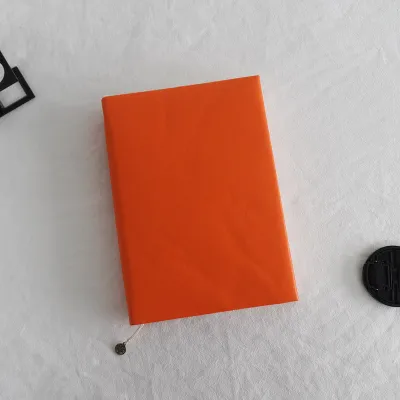
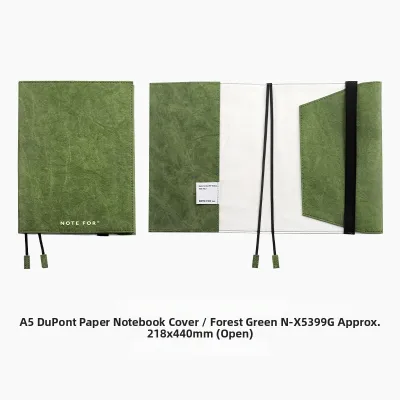
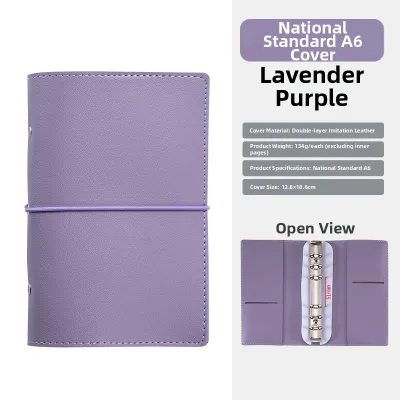
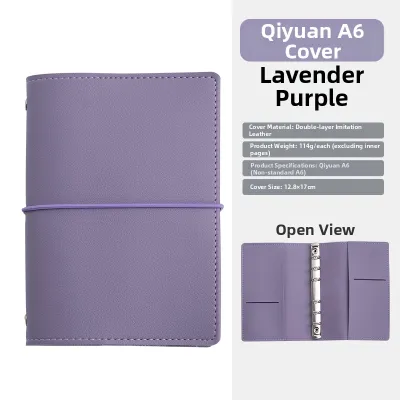
Prices are valid at publication and may change. Please refer to the product page for the latest price.
Because of these subtle variations, a cover designed for one brand’s “A6” notebook might be too snug or too loose for another. Always look for the actual millimeter or centimeter specifications of both your notebook and the cover rather than relying solely on the generic size label. Checking these detailed specifications beforehand prevents the disappointment of a cover that refuses to slip over your notebook’s edges.
Accounting for Spine Width and Notebook Thickness
The thickness of your notebook is determined by its page count and paper weight. A 64-page notebook with lightweight paper will have a very thin spine, whereas a 240-page journal with thick, ink-resistant paper will require a much wider spine.

In humid climates like Singapore, paper can absorb moisture from the air, causing the pages to swell slightly over time and increasing the overall thickness of the notebook. Additionally, as you write, add stickers, or paste ephemera into your notebook, the overall thickness will naturally expand. This swelling can strain a tight cover, preventing it from closing flat or causing the front and back covers of the notebook to bow outward.
Rigid cover materials, such as heavy leather or stiff book cloth, have virtually no stretch and cannot accommodate unexpected thickness. When shopping for a cover, check if the manufacturer specifies a maximum spine width or page capacity. Choosing a cover with a slightly generous spine allowance ensures your notebook can close securely even when fully loaded.
Matching Cover Materials and Binding Types
The material of your notebook cover dictates how much tolerance it has for slight sizing discrepancies. Flexible materials like soft PVC, elastic silicone, or supple leather offer some stretch and can conform to slightly thicker notebooks. Stiff, structured leather or hard plastic covers require precise measurements because they offer zero give.
Your notebook’s binding type also plays a critical role in compatibility. Glued or thread-bound notebooks lay relatively flat and slide easily into standard sleeve-style covers. In contrast, coil-bound or wire-o notebooks have a bulky metal or plastic spine that requires a cover with a larger spine allowance or a specialized design that accommodates the rings.
Additionally, built-in design features can alter the fit. Internal card pockets, pen loops, and elastic closure bands add bulk to the interior of the cover. If your notebook is already at the upper limit of the cover’s recommended dimensions, these extra features can make the final fit uncomfortably tight and may even leave indentations on your notebook’s outer pages.
Your Measurement and Verification Checklist
To get an accurate measurement of your notebook, lay it flat on a hard surface. Use a standard ruler or a caliper to measure the height from the top edge to the bottom edge, and the width from the spine to the outer edge of the front cover. Do not measure the entire open notebook from left to right, as this does not account for the spine’s curve.
Next, measure the thickness of the spine. If your notebook is already partially filled, measure the thickest part of the book to account for any expansion. Write down these three measurements in millimeters for the highest level of accuracy.
When reviewing a cover’s product description on an online marketplace, look specifically for the “internal dimensions” or “usable space” rather than the external dimensions. The external measurements include the stitching, seams, and material thickness, which do not contribute to the space available for your notebook.
Before making a purchase, verify that your notebook’s height and width are at least 2 to 3 millimeters smaller than the cover’s internal dimensions. This small clearance ensures you can slide the notebook into the cover sleeves without tearing the paper or straining the seams.
Frequently Asked Questions (FAQ)
Will an A6 cover fit a slightly smaller pocket notebook?
An A6 cover can sometimes accommodate a slightly smaller pocket notebook, but the success of this setup depends on the cover’s material and design. If the cover is made of a rigid material, a smaller notebook will likely slide around inside, causing the pages to shift and potentially bend at the corners.
To use a smaller notebook successfully, check if the cover features securing mechanisms like elastic bands, corner straps, or tight interior pockets. If the cover lacks these features, the notebook may slip out easily, making it difficult to write on a stable surface.
How do I prevent my notebook from slipping out of a loose cover?
If your notebook is slightly too small for its cover, you can secure it using built-in features like pen loops or elastic closure bands to hold the cover closed when not in use. Some writers insert a thin plastic sheet or a piece of cardstock into the cover’s interior pockets to create a tighter fit.
For a more secure hold, you can use removable adhesive strips or silicone bands to anchor the notebook’s back cover to the sleeve. However, if the notebook slips constantly and interferes with your writing, it is best to replace the cover with a correctly sized option to avoid damaging your notebook’s binding over time.
Community discussion
Share your experience or ask a question. Comments are reviewed before publication.