
Finding the perfect A5 notebook is rarely as simple as picking a highly rated brand off the shelf of a local stationery boutique. True writing comfort depends on a physical partnership between the liquid chemistry of your pen’s ink and the structural properties of the paper fibers.
A notebook that feels like silk under a ballpoint pen might cause a fountain pen to feather into an illegible blur. Conversely, paper optimized for wet inks can leave gel pen users waiting minutes for their notes to dry.
Because A5 is the quintessential portable size for professionals and students in Singapore, finding a notebook that matches your daily writing instrument is essential. It ensures your pages remain clean, legible, and completely smudge-free throughout the day.
Products mentioned in this guide
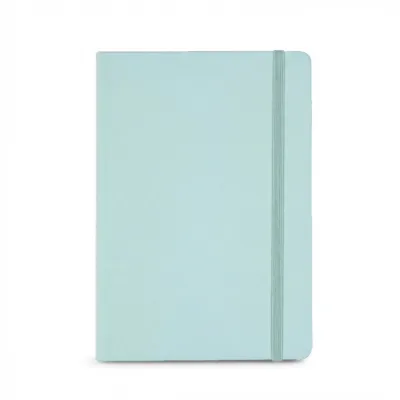
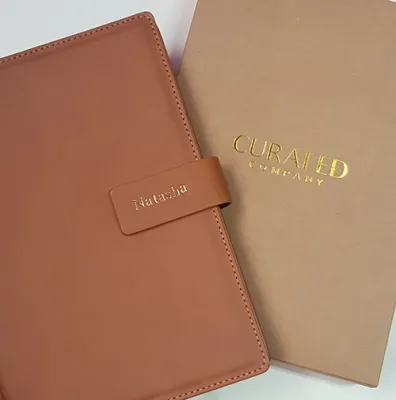
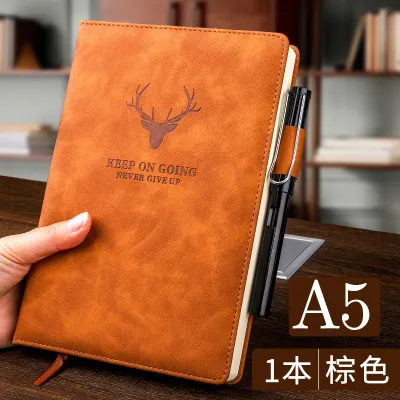
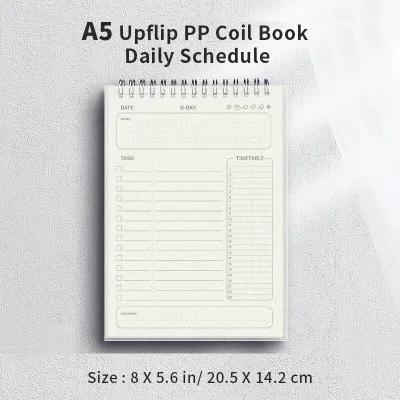
Prices are valid at publication and may change. Please refer to the product page for the latest price.
To make an informed choice, you must look beyond brand marketing and understand the physical specifications of paper. The interaction between paper and ink is governed by measurable characteristics: weight, surface finish, and chemical treatments.
By learning how to read these specifications and perform simple diagnostic checks, you can reliably predict how any notebook will perform with your preferred pen before you commit to a purchase.
Key Paper Specifications That Determine Pen Compatibility
Many stationery enthusiasts assume that a premium brand name or a higher price tag automatically guarantees universal pen compatibility. In reality, a notebook costing S$30 might perform beautifully with a dry ballpoint but fail miserably when paired with a wet fountain pen.
Paper performance is determined by its manufacturing process rather than its brand label. To find the right match, you must evaluate the physical properties of the sheet itself.
The most prominent specification listed on any notebook is its weight, measured in grams per square meter (GSM). Standard notebook paper typically ranges from 50 GSM to 120 GSM.
While a higher GSM generally indicates thicker paper that is more resistant to ink showing through on the reverse side—a phenomenon known as ghosting—it is not a direct indicator of ink resistance. A highly engineered, lightweight paper of 52 GSM can resist wet inks far better than a porous, poorly treated 80 GSM paper.
Weight primarily dictates the physical heft, opacity, and stiffness of the pages rather than how the surface interacts with liquid.
The surface finish, or texture, of the paper determines how the pen nib glides across the page and how much ink is deposited. Smooth papers are often calendered, a process where the paper sheet is pressed between heavy, heated rollers during manufacturing to flatten the fibers.
This creates a glassy surface that minimizes friction, allowing pens to glide effortlessly. Textured papers, often described as having “tooth,” retain more of their natural fiber structure, providing physical resistance that grips the pen tip.
Finally, sizing and coating treatments play a critical role in controlling ink absorption. Sizing refers to chemical additives, such as starch or rosin, introduced either into the paper pulp (internal sizing) or applied to the surface of the finished sheet (external sizing).
Sizing prevents the paper from acting like a sponge, slowing down the rate at which liquid ink penetrates the fibers. Coated papers feature an additional microscopic layer of minerals, such as clay, which keeps the ink sitting on top of the page rather than soaking in.
This preserves the crispness of your lines but significantly extends the time required for the ink to dry.
Matching Paper Traits to Your Primary Writing Instrument
Because different pens utilize vastly different ink formulas and delivery mechanisms, no single paper type can perform perfectly for every writing style. Achieving a flawless writing experience requires matching the specific fluid dynamics of your pen to the absorption and texture profile of the paper.

Fountain Pens: Managing Wet Ink and Sizing
Fountain pens deliver water-based inks to the page via capillary action, depositing a relatively large volume of liquid compared to other writing instruments. To handle this wet delivery without turning your writing into a fuzzy, spread-out mess, the paper must possess excellent sizing.
Without adequate sizing, the ink will travel along the paper fibers in a process called feathering, or soak completely through to the other side, causing bleed-through.
To prevent these issues, fountain pen users generally require paper with high-density sizing or a light surface coating. These treatments keep the ink pooled on the surface of the page, allowing the water to evaporate slowly while leaving the pigment or dye perfectly defined.
This surface-level drying is also what allows specialized ink properties, such as metallic sheen or multi-colored shading, to become visible. However, this creates a distinct trade-off: highly sized papers suffer from exceptionally long dry times.
In Singapore’s humid tropical climate, this slow evaporation is amplified. A wet ink on a coated page can remain prone to smudging for several minutes, which can be highly inconvenient during fast-paced meetings.
When evaluating a new A5 notebook for fountain pen use, you can perform a simple diagnostic check on a back page. Draw a solid block of ink and write a few quick, heavy lines.
Observe the edges of the lines under bright light. If you see tiny, hair-like branches spreading outward from the strokes, the paper lacks sufficient surface sizing.
Flip the page over to check for bleed-through. If you see distinct spots of ink coming through to the reverse side, the paper is too porous for wet nibs.
Gel Pens: Balancing Smoothness and Dry Time
Gel pens use a water-based gel medium that holds suspended pigments, offering incredibly vibrant colors and a highly consistent flow. When you write, the physical shearing action of the rollerball thins the gel, allowing it to flow onto the page where it quickly sets back into a solid state.
This mechanism requires paper that can quickly absorb the liquid binder while keeping the heavy pigment particles locked on the surface.
For gel pens, a medium-weight paper ranging from 80 GSM to 90 GSM with a semi-smooth finish is ideal. If the paper is too smooth or heavily coated, the gel ink cannot penetrate the surface fibers at all.
This causes the wet line to sit exposed on the page where it will easily smear at the slightest touch of your hand. Conversely, if the paper is too porous or lightweight, the heavy gel deposition will cause severe ghosting, making it impossible to write comfortably on both sides of the sheet.
To find the perfect balance, look for paper that offers a mild amount of surface friction. This slight texture helps the rollerball spin reliably, preventing the pen from skipping or sliding out of control.
A quick way to test this is to write a sentence and immediately run your finger across the text after one, three, and five seconds. A compatible gel-pen paper should show no smudging after three to five seconds, indicating that the paper fibers have successfully absorbed the liquid carrier while keeping the pigment crisp and sharp.
Ballpoint Pens: Ensuring Surface Grip and Flow
Ballpoint pens utilize a highly viscous, oil-based ink that is transferred to the page via a tiny rotating ball. Because the ink is thick and greasy, it does not rely on capillary action or absorption to dry; instead, it adheres almost instantly to the paper fibers through physical contact.
This makes ballpoint pens highly versatile and incredibly forgiving on a wide variety of paper qualities.
However, ballpoint pens have a unique requirement: they need physical friction, or “tooth,” to function correctly. If you attempt to write with a ballpoint pen on an extremely smooth, glassy, or heavily coated paper, the ball may slide across the surface without actually rotating.
This results in skipping, faint lines, and a frustrating writing experience. It forces you to apply excessive downward pressure, leading to rapid hand fatigue during long writing sessions.
Standard, uncoated papers with a natural, slightly textured finish are the perfect match for ballpoint pens. Because oil-based ink does not saturate or spread through paper fibers, you do not need to worry about feathering or bleed-through.
This makes even lightweight 60 GSM to 70 GSM papers perfectly usable. When selecting a notebook for ballpoint use, run your fingertips across the page; a subtle, paper-like drag indicates the necessary friction to keep the ball rolling smoothly and your hand relaxed.
How to Verify Paper Quality Before You Buy
Selecting the right A5 notebook requires a systematic approach to evaluating paper quality before making a financial commitment. While you cannot always test a notebook in the store, understanding how to read manufacturer specifications and perform physical inspections will save you from purchasing incompatible stationery.
Start by carefully reading the notebook’s packaging or online product description for technical specifications. Look for the exact GSM rating, which should align with your primary pen type.
Additionally, check for terms like “acid-free” or “archival-grade,” which indicate that the paper has been chemically neutralized to prevent yellowing and degradation over time. The fiber composition is also telling; papers made from wood pulp are standard, while those incorporating cotton or bamboo fibers often offer superior strength, unique textures, and distinct absorption rates.
If you are shopping in a physical store where a sample notebook is available, perform a visual and tactile inspection. Hold a single page up to the light.
If the paper fibers appear highly blotchy and uneven, the ink absorption will likely be inconsistent, leading to unpredictable performance. Feel the thickness and stiffness of the page between your thumb and forefinger, and gently rub the surface to gauge the level of tooth.
For the ultimate verification, always conduct a controlled swatch test on a designated test page, which many premium A5 notebooks include at the very back. Use your daily writing instruments to draw a series of lines, write a few sentences, and color in a small block to deposit a high volume of ink.
Note how long the ink takes to dry completely, check for any spreading or feathering along the edges of your writing, and examine the back of the page to ensure there is no bleed-through or excessive ghosting.
Decision Framework: Choosing the Right A5 Notebook
To finalize your choice, use this structured framework to match your primary writing instrument to the ideal paper specifications.
If your primary writing tool is a fountain pen, prioritize heavily sized, high-density paper, typically between 80 GSM and 120 GSM. Look for papers specifically labeled as fountain-pen friendly, which feature coatings designed to prevent feathering and bleed-through while showcasing the unique characteristics of your ink.
Be prepared for slightly longer dry times, and consider keeping a sheet of blotting paper in your notebook to protect your pages in humid conditions.
If you write primarily with gel pens, opt for medium-weight, uncoated or lightly calendered paper between 80 GSM and 90 GSM. This specification provides a smooth writing surface that still offers enough absorption to dry the gel ink within a few seconds, preventing smudges while maintaining vibrant, crisp lines without significant ghosting.
If you rely on ballpoint pens for rapid, daily note-taking, choose standard, uncoated paper with a noticeable tooth, typically between 60 GSM and 80 GSM. The natural texture of these pages provides the necessary friction to keep the pen’s rollerball spinning smoothly, preventing skipping and reducing hand strain during long writing sessions.
If you use a variety of different pens or specialized inks, look for versatile, multi-media papers rated at 100 GSM or higher. Always verify the manufacturer’s specifications and perform a quick swatch test on a sample page to ensure the paper can handle your specific writing style before filling your new A5 notebook.

Community discussion
Share your experience or ask a question. Comments are reviewed before publication.