
Finding the ideal A5 notebook cover system is not about identifying a single, universally superior brand. Instead, it requires a balanced evaluation of how a brand’s binding ecosystem, cover material durability, and refill paper specifications align with your specific writing habits. Because different manufacturers design their systems around proprietary standards, choosing a cover means committing to a physical framework that dictates which refills you can use, how the notebook lies on your desk, and how well it protects your notes over time.
To make an informed decision, you must evaluate three core criteria: binding compatibility, material resilience under daily handling, and paper weight or sizing for ink performance. A cover that looks excellent but uses a restrictive binding system can limit your paper choices, while high-quality paper is of little use if the cover deteriorates after a few weeks in a commuter bag. By analyzing these factors systematically, you can select a system that serves as a reliable, long-term companion for your daily writing.
Understanding A5 Notebook Cover Systems and Binding Types
Before comparing cover materials, you must understand the physical mechanism that holds your pages in place. A5 notebook covers generally fall into three primary categories: disc-bound systems, multi-ring binders, and snap or elastic closure systems designed for thread-bound or staple-bound booklets. Each system offers distinct advantages and trade-offs regarding page customizability, writing comfort, and overall bulk.
Products mentioned in this guide
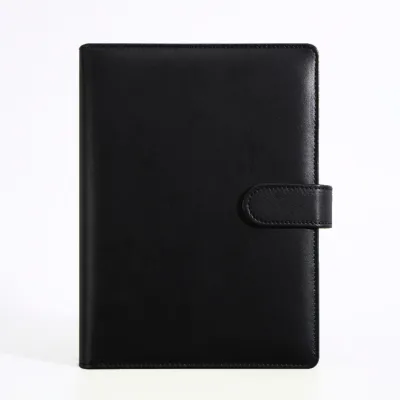
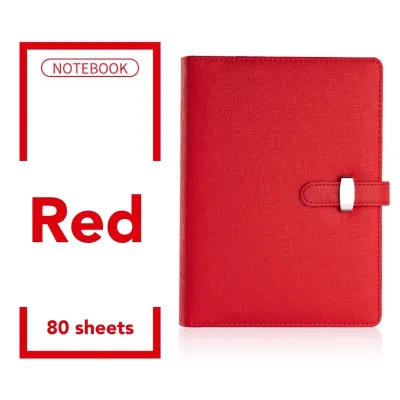
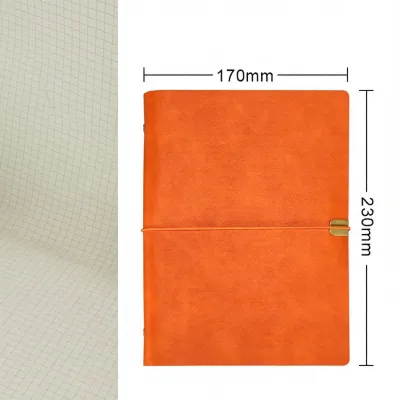
![[Ready Stock] A5 Ring Bound Soft Cover Notebook with Pen](https://img.lazcdn.com/g/p/f0f5b4c47621daf456d7baf75309ef52.jpg_400x400q80.jpg_.webp)
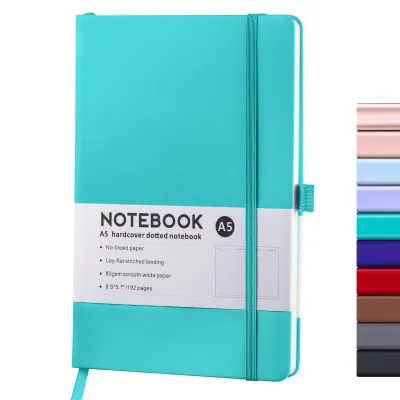
Prices are valid at publication and may change. Please refer to the product page for the latest price.
Disc-bound systems utilize a series of individual plastic or metal discs aligned along the spine, allowing you to insert, remove, and reposition pages at will. This system offers exceptional flexibility, but it requires specialized paper punched with unique mushroom-shaped slots. If you choose a disc-bound cover, you must ensure that the disc diameter matches your desired page capacity, as larger discs allow for more pages but increase the overall thickness of the notebook.
Multi-ring binders, typically featuring six or twenty rings, offer a highly secure page retention system. These covers are highly durable and prevent pages from tearing out accidentally, making them excellent for archival purposes. However, the metal ring mechanism adds significant weight and bulk to the spine, and the rings can obstruct your hand while writing near the inner margins. When evaluating multi-ring systems, always check the manufacturer’s specified ring spacing and hole punch patterns, as standards can vary between European and Asian brands.
Snap or elastic closure systems are designed to hold traditional, bound notebook refills, often referred to as book-in-cover systems. These covers feature internal pockets or elastic bands that slide over the front and back covers of a standard A5 booklet. This style provides a classic, low-profile aesthetic and allows the notebook to lie completely flat on a desk, offering an unobstructed writing surface. The trade-off is a fixed page capacity; you cannot easily add individual sheets or rearrange your notes as you can with ring or disc systems.
Evaluating Cover Materials for Durability and Daily Use
The material of your A5 notebook cover determines how well it protects your notes and how it ages over years of daily handling. Common options include genuine leather, polyurethane (PU) leather, heavy hardboard, and flexible synthetic fabrics. Selecting the right material requires balancing aesthetic preferences with the physical demands of your daily routine and local environmental conditions.

Genuine leather is highly favored for its longevity, tactile feel, and the unique patina it develops over time. However, leather requires regular maintenance and is sensitive to environmental factors. In humid climates, such as Singapore, untreated genuine leather can be susceptible to mold or moisture damage if stored in unventilated bags. If you opt for genuine leather, look for covers with protective finishes and follow the manufacturer’s care instructions, which often recommend periodic conditioning and keeping the material away from prolonged direct sunlight.
Polyurethane (PU) leather offers a highly uniform appearance and excellent initial water resistance at a lower price point. It is easy to clean with a damp cloth and does not require conditioning, making it a practical choice for busy professionals. However, lower-grade PU leather can peel or crack along the spine and edges after extended flexing. To assess durability, inspect the product specifications for reinforced stitching along the borders, which helps prevent the layers from delaminating over time.
Hardboard and flexible synthetic fabrics, such as high-density nylon or polyester, provide excellent structural protection and scratch tolerance. Hardboard covers offer a rigid writing surface, which is ideal if you frequently take notes without a desk. Synthetic fabric covers are lightweight, highly resistant to abrasions, and often feature additional zippered pockets for pens and accessories. When choosing synthetics, check the fabric density (often measured in denier) to ensure it can withstand the friction of being repeatedly pulled in and out of a commuter bag.
Assessing Refill Paper Quality and Ink Handling
A durable cover is only as good as the paper it holds. Refill paper quality directly influences your writing comfort, ink drying times, and the overall legibility of your notes. When comparing refill options within a brand’s ecosystem, you must look beyond subjective claims of smoothness and evaluate objective technical specifications.
The primary indicator of paper thickness and density is its weight, measured in grams per square meter (GSM). Standard notebook paper typically ranges from 50 GSM to 120 GSM. Lighter paper (50 to 70 GSM) keeps the notebook thin and lightweight, but it is highly prone to ghosting (where writing is visible on the reverse side) and bleed-through (where ink penetrates the paper). For general note-taking with ballpoint or gel pens, paper between 80 GSM and 100 GSM offers an optimal balance of opacity and notebook thickness.
If you prefer using fountain pens, wet gel pens, or liquid ink rollers, you must verify the paper’s sizing and ink-handling properties. Sizing refers to chemical treatments applied during manufacturing to reduce the paper’s absorbency, preventing ink from feathering (spreading along the paper fibers) or bleeding. Many premium brands offer specialized paper formulated to resist feathering, but this treatment often extends ink drying times. In humid environments, slow-drying ink can easily smudge, so you may need to pair sized paper with quick-drying inks or use blotting paper.
Because ink performance depends heavily on the specific combination of pen, ink, and paper, avoid purchasing bulk refill packs immediately. Instead, buy a single small pack to conduct a personal trial. Test your most frequently used writing instruments on both sides of the sheet, observing how quickly the ink dries and checking for any signs of bleed-through or feathering under normal writing pressure.
Building Your Shortlist: Matching Systems to Your Writing Needs
To find the right A5 notebook cover system, you should construct a conditional decision framework based on your primary writing environment, preferred writing tools, and organizational style. Rather than searching for a generic recommendation, match your specific habits to the strengths of each system type.
If your work involves heavy ink usage, detailed sketching, or archival journaling, prioritize systems that support high-GSM, sized paper refills. For these needs, a multi-ring binder or a high-quality book-in-cover system is often ideal, as they provide the structural support needed for heavier paper stocks. Conversely, if you travel frequently or commute daily, a lightweight synthetic cover with a secure zipper or elastic closure will protect your pages from crumpled edges and accidental spills without adding unnecessary weight to your bag.
Be mindful of ecosystem lock-in when selecting proprietary binding systems. Some brands use unique hole spacing or disc configurations that prevent you from using standard, widely available refills. Before committing to a proprietary cover, verify the long-term availability, shipping costs, and local retail presence of their refill packs. If a brand’s proprietary refills are difficult to source locally or carry high shipping fees, look for systems that conform to international standard A5 dimensions and hole patterns, allowing you to source refills from multiple manufacturers. For instance, verify if refill packs costing S$10 to S$15 fit your long-term stationery budget before purchasing the cover.
Finally, always verify the exact physical dimensions of both the cover and the refills before purchasing. While “A5” is an international standard (148 mm x 210 mm), some manufacturers use slightly different dimensions for their covers to accommodate wider tabs, pen loops, or specific binding rings. Check the manufacturer’s detailed product specifications to ensure that your preferred refills will not protrude past the edge of the cover when the notebook is fully closed.
Frequently Asked Questions (FAQ)
Can I use third-party refills in branded A5 notebook covers?
Yes, but compatibility depends entirely on matching the hole punch spacing and overall paper dimensions of the cover’s binding mechanism. Standard six-ring A5 covers often accept third-party refills designed for the same ring configuration, but you must verify the exact spacing measurements, as some brands use proprietary layouts. Additionally, consider the paper thickness; using exceptionally thick third-party paper can exceed the spine capacity of your cover, preventing the rings from closing securely or causing the pages to catch when turned.
How do I test if a notebook cover material will withstand daily commuting?
To evaluate a cover’s durability before subjecting it to heavy use, start by checking the manufacturer’s care labels and material specifications for environmental limits. Visually inspect the cover’s construction, paying close attention to the edge finishing and corner reinforcement; turned edges with tight, even stitching generally resist fraying much better than raw, heat-sealed edges. You can also perform a low-risk physical check by gently flexing the spine to see if the material creases permanently or shows signs of tension along the seams, which can indicate premature wear under daily use.

Community discussion
Share your experience or ask a question. Comments are reviewed before publication.