
Finding the perfect A5 binder notebook setup requires balancing the physical binder mechanism with the specific characteristics of the paper refills you choose. The ideal writing experience is not determined by a single brand name, but rather by how well the paper’s weight, texture, and surface treatment interact with your daily writing instruments. By understanding how to evaluate these technical specifications and physical compatibility factors, you can build a highly customized notebook system that prevents ink issues and remains comfortable to use.
Key Dimensions for Evaluating Binder Notebook Paper
To evaluate any A5 binder refill, you must first look at the paper weight, which is measured in grams per square meter (GSM). Standard binder refills typically range from 70 GSM to 120 GSM or higher. While a higher GSM generally indicates thicker, more opaque paper that resists ink penetration, it also adds physical bulk and weight to your binder, reducing the total number of sheets you can carry at one time.
Beyond weight, the paper’s surface finish plays a critical role in how your pen glides across the page. Coated papers feature a smooth, treated surface that slows down ink absorption, allowing colors to appear more vibrant and preventing ink from spreading outward. Uncoated papers, on the other hand, have a more textured, natural feel that absorbs ink rapidly, which can be highly beneficial for quick-drying needs but may cause lines to look slightly wider or less sharp.
Products mentioned in this guide
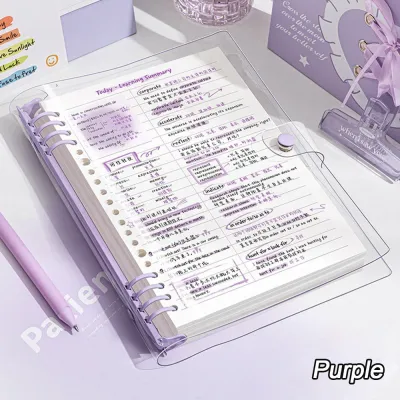
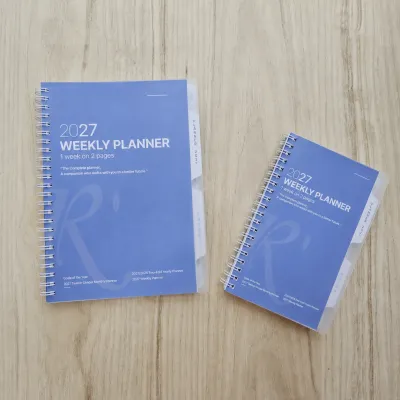
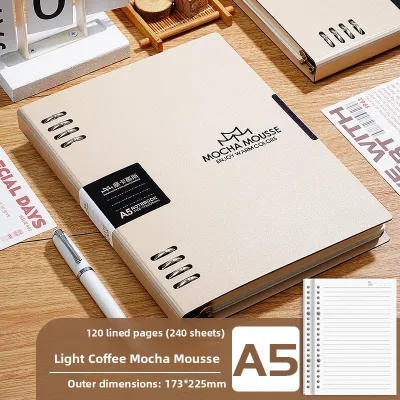
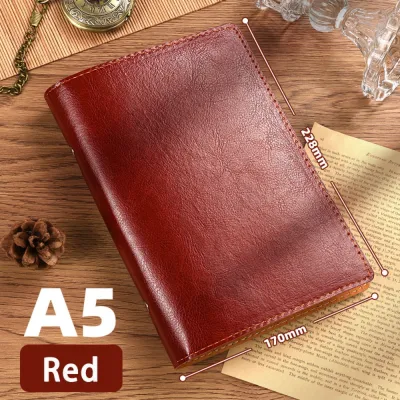
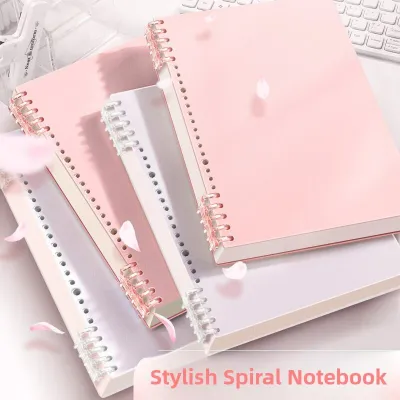
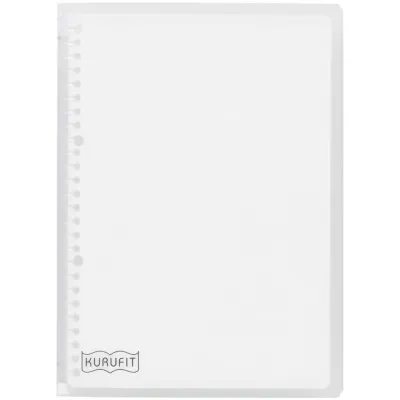
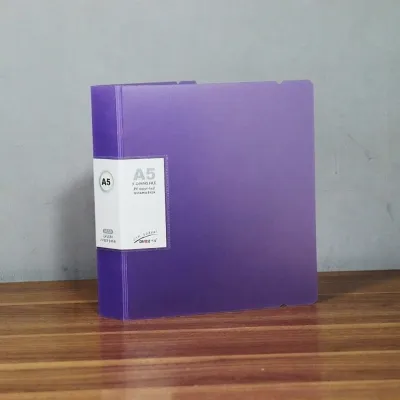
Prices are valid at publication and may change. Please refer to the product page for the latest price.
When paper fails to handle ink properly, it manifests in three distinct visual issues: bleed-through, feathering, and ghosting. Bleed-through occurs when ink penetrates completely through the fibers to the reverse side of the sheet, rendering that side unusable. Feathering is the spiderweb-like spreading of ink along the paper fibers, which distorts your handwriting. Ghosting, or show-through, is the visibility of writing from the other side of the page without actual ink penetration, a common occurrence on thinner papers that can be managed by choosing higher opacity sheets.
Comparing Binder Mechanisms and Refill Compatibility
The physical hardware of an A5 binder dictates not only which refills you can use but also how comfortable you will feel while writing. The most common standard for A5 binders is the 20-ring system, which provides excellent support and prevents pages from tearing at the edges. However, you will also encounter 6-ring and 2-ring configurations, which are often associated with planners and organizers rather than standard notebooks. Before purchasing refills, you must verify the exact hole spacing and count to ensure they align perfectly with your binder’s rings.

Ring diameter is another crucial factor that directly impacts writing ergonomics. Larger rings, such as those measuring 20mm or 25mm, allow you to store a vast number of pages, but they can create a significant physical barrier for your hand when writing near the inner margins. If you are right-handed writing on the left page, or left-handed writing on the right page, your wrist may bump against the rings, causing discomfort. Choosing a slim ring profile, such as 13mm or 15mm, improves ergonomics at the expense of page capacity.
When selecting a binder system, consider the long-term availability and cost of refills. Universal punch patterns allow you to source paper from various local stationery shops and online marketplaces, offering excellent flexibility and budget control. Proprietary binder systems, while sometimes offering unique aesthetics or ultra-slim profiles, restrict you to the brand’s own paper refills, which can limit your paper choices and increase your ongoing maintenance costs.
Matching Paper Types to Your Preferred Writing Tools
Your choice of writing instrument should dictate the paper specifications you prioritize. Fountain pens, which deposit a relatively large volume of liquid, water-based ink, require high-quality paper to perform well. For a smooth fountain pen experience, look for paper with a weight of at least 80 GSM to 100 GSM that features a light surface sizing or coating. This treatment prevents the liquid ink from soaking too deeply into the fibers, preserving crisp line edges and preventing feathering.
For those who prefer gel pens or ballpoints, the interaction is quite different. Gel inks are thicker than fountain pen inks but still require a brief moment to dry, especially in humid climates where moisture in the air can prolong drying times. If you use gel pens, a smooth, uncoated paper of around 80 GSM offers an excellent balance, providing enough absorption to dry the ink quickly while maintaining a smooth glide. Ballpoint pens, which use oil-based inks, perform reliably on almost any paper surface, though highly coated papers might occasionally cause the pen tip to slip or skip.
Markers, highlighters, and brush pens present the greatest challenge for standard binder paper. Because these tools apply a broad, wet layer of ink, they are highly prone to ghosting and bleed-through on standard 70 GSM or 80 GSM sheets. If your daily routine involves heavy color-coding or sketching, you should seek out specialized heavy-weight refills, often labeled as 120 GSM or higher, or look for papers specifically designated as bleed-resistant to ensure your highlights do not ruin the notes on the reverse side.
How to Test and Verify Paper Quality Before Buying
Because paper performance can vary based on manufacturing batches and environmental conditions, verifying quality through systematic checks is highly recommended. Start by carefully reading the manufacturer’s specifications on the packaging or product listing. Look for details regarding the GSM, the raw material composition (such as wood pulp or cotton), and whether the paper is acid-free, which ensures your notes will not yellow or degrade over several years.
If you are purchasing refills in person at a local stationery store, look for sample sheets or test pads often provided for customer use. You can conduct a simple, standardized ink test using your own daily pens. Write a few lines, draw a solid block of ink, and run a highlighter across the text. Observe how long the ink takes to dry completely, check the edges of the lines for any signs of feathering, and flip the page over to evaluate the level of ghosting and bleed-through.
When buying online, where physical testing is impossible before purchase, pay close attention to the retailer’s return and exchange policies. Many stationery suppliers allow returns only on unopened, original packaging. To minimize risk, consider purchasing a small, single pack of refills to test with your pen collection before committing to a bulk purchase of multiple packs for your academic or professional needs.
Decision Framework: Choosing the Right A5 Binder
To select the ideal A5 binder notebook setup, you can apply a simple decision framework based on your writing habits and portability needs. If your primary writing tools are fountain pens, wet gel pens, or liquid ink highlighters, prioritize binders that accommodate heavy-weight, coated paper refills of 90 GSM to 120 GSM. This setup ensures clean, sharp lines and allows you to use both sides of every sheet, even if it means carrying a slightly thicker notebook.
If you prioritize portability and prefer using quick-drying gel pens, fine-liner pens, or standard ballpoints, a slim binder paired with standard-weight, smooth uncoated paper (around 80 GSM) is your best option. This combination maximizes the number of pages you can carry without making the binder heavy or bulky, and the faster ink absorption of uncoated paper will help prevent smudging during rapid note-taking.
Finally, always verify physical compatibility before making any purchase. Check the ring alignment of your binder against the hole pattern of the refills you want to buy, ensuring that the margins provide enough clearance so the paper does not bind or tear when you turn the pages. By matching your paper specifications to your writing tools and verifying the physical dimensions of your binder, you can create a reliable, long-lasting stationery setup.
Frequently Asked Questions (FAQ)
Can I mix different paper refills in one A5 binder?
Yes, you can mix different paper refills within a single A5 binder, provided they share the exact same hole-punch standard and spacing. For example, a standard 20-ring A5 binder can hold any 20-hole A5 refills, allowing you to combine lined, grid, dotted, and blank sheets from various brands to suit different tasks. However, you must ensure that the outer margins of the refills are consistent so that narrower pages do not get hidden behind wider ones.
When mixing papers of different weights, be mindful of how the overall stack behaves inside the binder. Combining very thick 120 GSM sketch paper with thin 70 GSM lined paper can create uneven writing surfaces, especially near the transition points between different paper sections. Additionally, a mix of thicker papers will quickly consume the binder’s ring capacity, so you should monitor the total stack thickness to prevent the rings from bulging or failing to close securely.
To avoid damaging your pages, never exceed the recommended page capacity of your binder’s rings. If the stack is too thick, the pages near the front and back will experience increased friction against the rings when you open or close the binder, leading to torn holes and misaligned sheets. Always leave a small amount of clearance—typically about 10% to 15% of the ring diameter—to allow the pages to turn smoothly without catching on the ring joints.

Community discussion
Share your experience or ask a question. Comments are reviewed before publication.