
Selecting the right A4 notebook is rarely as simple as picking the first option off the shelf. The way your pen interacts with a page depends entirely on the physical and chemical properties of the paper itself. When you write, you are witnessing a complex chemical interaction between the liquid ink of your writing instrument and the treated cellulose fibers of the page. Without the correct pairing, a premium pen can easily perform poorly, resulting in frustrating writing issues that ruin your notes.
To find the ideal paper for your daily writing, you must first understand the three primary ink issues that plague notebook users: bleed-through, feathering, and ghosting. Bleed-through occurs when ink saturates the paper fibers completely, passing through to the reverse side of the sheet and rendering it unusable. Feathering happens when the ink spreads horizontally along the paper fibers, turning sharp, clean lines into fuzzy, spider-web-like shapes. Ghosting, or show-through, is the shadow of your writing visible on the reverse side of the page; while the ink does not physically break through the surface, the paper is translucent enough that the writing remains highly visible from the back.
Fountain pens require highly sized, surface-treated paper to prevent feathering, as they deposit a large volume of liquid, water-based ink. Markers require exceptionally thick or specially coated paper to prevent heavy solvents from bleeding through the page. Ballpoints, on the other hand, are highly forgiving and can write on almost any paper surface due to their thick, oil-based ink formulas. To avoid compromising your writing experience, you should match your notebook category to your primary writing tool rather than searching for a universal option that may fail to perform well with your specific pen.
Products mentioned in this guide
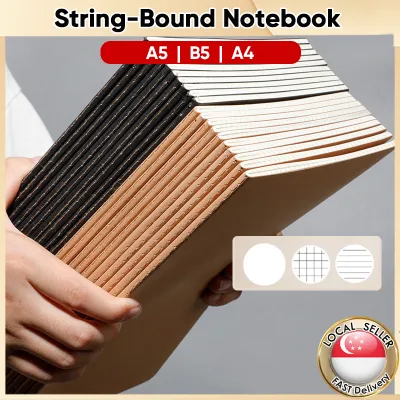
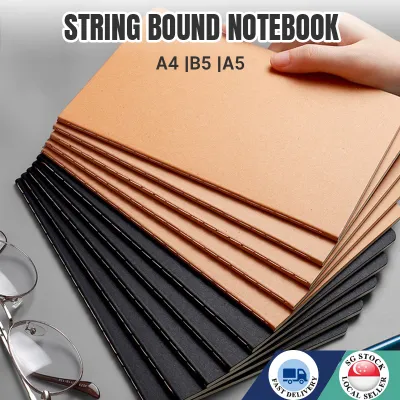
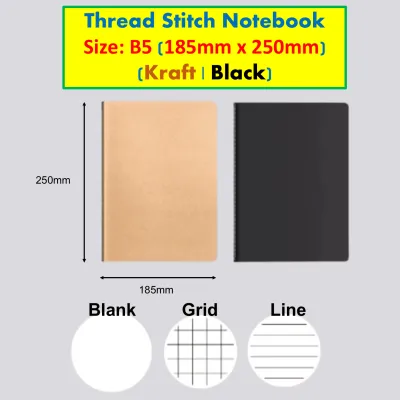
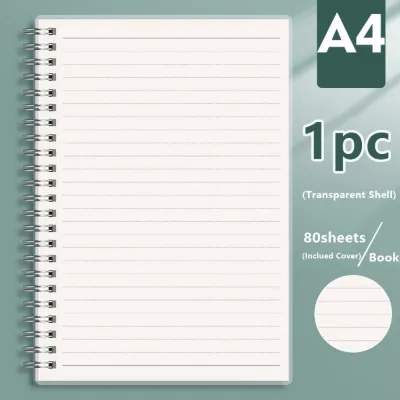
Prices are valid at publication and may change. Please refer to the product page for the latest price.
Key Paper Traits That Prevent Bleed-Through and Feathering
GSM (Grams per Square Meter) The weight of paper is measured in GSM, or grams per square meter, which indicates the density and thickness of the sheet. While many buyers assume that a higher GSM automatically translates to a better writing experience, this measurement only directly influences the physical opacity of the page. A high-weight paper, such as 90gsm or 100gsm, provides a thick barrier that successfully reduces ghosting, allowing you to use both sides of the sheet without distracting shadows. However, GSM alone does not stop feathering; if the paper fibers are highly absorbent and lack proper chemical treatment, even a thick 120gsm page can cause wet inks to feather and spread.
Sizing and Coating The critical factor that prevents ink from soaking into paper fibers is a manufacturing process called sizing. Sizing involves adding chemical agents—either internally to the paper pulp during manufacturing or externally as a surface coating—such as starch, gelatin, or synthetic polymers. This treatment creates a water-resistant barrier that controls how quickly the paper absorbs liquid. For fountain pens and wet ink, highly sized paper is essential because it holds the ink on the surface of the page, allowing it to dry slowly and maintain sharp, crisp lines. Unsized paper, like newsprint or basic blotting paper, acts like a sponge, immediately pulling liquid into the fibers and causing severe feathering.
Paper Finish (Smoothness vs. Tooth) The texture of the paper surface, ranging from ultra-smooth to highly textured, significantly impacts your writing comfort and ink delivery. Smooth, coated papers are generally preferred for fountain pens, fine-liners, and markers because they minimize friction, allowing the tip to glide effortlessly without catching on fibers. This smooth surface also preserves the vibrant colors, shading, and metallic sheen of specialized inks. Conversely, a slight texture, known as “tooth,” is highly beneficial for ballpoints and gel pens. These instruments rely on friction to rotate the tiny ball in the pen tip; if a paper is too slick or heavily coated, the ball may slide instead of rolling, leading to annoying ink skipping and uneven lines.
Climate Factor (Singapore Context) In Singapore’s tropical climate, where relative humidity levels regularly exceed 80%, paper choice requires extra consideration. Paper is a highly hygroscopic material, meaning it naturally absorbs moisture from the surrounding air. In humid environments, notebooks left open or stored in non-air-conditioned spaces can absorb ambient moisture, which temporarily softens the sizing agents and alters the paper’s performance. This moisture absorption slows down ink drying times significantly, particularly for wet fountain pens and water-based gel inks. If you are writing in a humid setting, highly coated, non-absorbent papers can take several minutes to dry, making quick-dry ink formulas or moderately sized papers more practical choices to prevent accidental smudging.
Ink Performance: Fountain Pens vs. Ballpoints vs. Markers
Fountain Pens: The Need for Sizing and Smoothness
Fountain pens are widely considered the most demanding writing instruments when it comes to paper quality. Because they rely on gravity and capillary action to deliver a continuous stream of water-based liquid ink, they deposit a much higher volume of fluid onto the page than standard pens. To handle this high ink volume without failing, the paper must possess excellent surface sizing and a dense fiber structure.

When you write with a fountain pen on poor-quality or unsized paper, the liquid ink immediately floods the loose cellulose fibers. This results in dramatic feathering, where your fine or medium lines expand into thick, fuzzy strokes. Furthermore, the water in the ink quickly penetrates the entire thickness of the sheet, causing severe bleed-through that ruins the subsequent pages of your notebook. To avoid these issues, fountain pen enthusiasts must seek out notebooks featuring smooth, highly sized paper, typically ranging from 80gsm to 100gsm, which allows the ink to sit on top of the page and dry into a crisp, clean line.
Ballpoints and Gel Pens: Versatility and Grip
Oil-based ballpoint pens are the most versatile and low-maintenance writing tools available. The ink used in traditional ballpoints is a thick, paste-like, hydrophobic formula that contains very little water or solvent. Because this ink does not easily penetrate paper fibers, ballpoint pens rarely cause bleed-through, feathering, or ghosting, even on the thinnest and cheapest A4 notebooks. However, because ballpoints require physical pressure and friction to rotate the internal ball, they can perform poorly on exceptionally smooth, glossy, or heavily coated premium papers, where the pen tip may slide without depositing ink.
Gel pens occupy a middle ground between fountain pens and ballpoints, utilizing a water-based gel ink that is highly pigmented and viscous. While gel pens glide smoothly across the page and offer vibrant colors, they deposit a wetter line than oil-based ballpoints. On thin paper under 70gsm, gel inks are highly prone to ghosting, creating a dark shadow on the back of the page. Additionally, because gel ink contains water, the high humidity in Singapore can extend its drying time on coated papers, leading to smudges if you close the notebook too quickly or run your hand across the fresh writing.
Markers and Highlighters: Managing Heavy Ink Loads
Markers, fine-liners, and highlighters present a unique challenge because they deliver a heavy, continuous load of ink that often contains alcohol or water-based solvents. Alcohol-based markers are particularly aggressive; the alcohol solvent is designed to dry almost instantly by evaporating, but it also dissolves paper sizing and cuts through cellulose fibers with ease. This rapid penetration makes bleed-through the primary risk when using markers in a standard notebook, rather than simple feathering.
To manage the heavy ink loads of markers and highlighters, standard student or office paper is rarely sufficient. Standard 70gsm to 80gsm paper will almost always suffer from immediate, severe bleed-through, forcing you to leave the reverse side of the page completely blank. To successfully use markers without ruining your notebook, you require specialized paper with a weight of 100gsm or higher, or paper that features a specialized bleed-proof barrier coating on the back. Alternatively, you must accept writing on only one side of each sheet, using a thick protective sheet underneath to catch any ink that bleeds through.
What to Expect from Popular A4 Notebook Categories
Premium and Specialty Stationery Brands
Premium and specialty stationery brands are specifically engineered to cater to discerning writers, artists, and fountain pen users. These notebooks typically feature paper weights ranging from 80gsm to 100gsm, utilizing high-quality wood pulp or alternative fibers like bamboo. The paper undergoes rigorous internal and surface sizing processes, resulting in an exceptionally smooth, uniform finish that feels luxurious to write on. These pages are often off-white, cream, or ivory rather than bright white, which helps reduce eye strain during long writing sessions.
In Singapore, these premium A4 notebooks are generally found in specialty stationery boutiques and high-end bookstores, with prices typically ranging from S$15 to S$40 or more depending on the binding and sheet count. They offer outstanding resistance to feathering and ghosting, making them the gold standard for fountain pens, fine-liners, and light watercolor or calligraphy work. However, they are not entirely indestructible; if you use heavy, alcohol-based art markers or deposit multiple layers of wet ink, you may still experience minor bleed-through. Additionally, the highly sized, non-porous surface means that wet inks will take longer to dry, requiring patience or the use of blotting paper in humid conditions.
Everyday Student and Campus Brands
Everyday student and campus notebooks are designed for high-volume note-taking, lecture recording, and general academic use. These notebooks are widely available in local supermarkets, neighborhood bookstores, and school cooperatives across Singapore, usually priced affordably between S$3 and S$8. They typically feature paper weights between 70gsm and 80gsm, with bright white pages that provide high contrast for quick reading. The paper used in these notebooks has moderate sizing, designed to handle a wide variety of everyday writing instruments without costing a fortune.
When using student notebooks, you can expect excellent performance with standard oil-based ballpoints, gel pens, and light highlighters. The paper is absorbent enough to ensure fast drying times, which is highly beneficial for fast-paced writing in humid classrooms. However, these notebooks have clear performance limitations. If you attempt to use a wet fountain pen, you will likely observe moderate feathering and noticeable ghosting on the reverse side of the page. Furthermore, heavy highlighters or water-based markers will almost certainly bleed through the thin sheets, meaning you will need to write carefully and potentially avoid using the back of each page.
Standard Office and Business Brands
Standard office and business notebooks, including basic legal pads, utility spiral notebooks, and corporate memo pads, are built for utility and low-cost efficiency. These products are designed primarily for quick, temporary notes, brainstorming sessions, and administrative tasks. They often utilize thin, lightweight paper of 70gsm or lower, which is optimized for high-speed manufacturing and compatibility with dry writing media rather than wet, expressive handwriting.
These utilitarian notebooks are highly budget-friendly, often costing between S$1 and S$4 per book, but they offer the lowest resistance to ink penetration. While they perform perfectly well with standard ballpoint pens, pencils, and dry highlighters, they are entirely unsuitable for wet writing instruments. If you use a fountain pen on office-grade paper, the ink will feather rapidly, turning your handwriting into an illegible, blurry mess, and will bleed through to the next several pages. Markers and wet gel pens will similarly cause severe bleed-through and ghosting, making these notebooks best reserved for basic, everyday ballpoint pen use.
How to Test and Verify A4 Paper Quality Before Buying
Check the Labels The first step in evaluating an A4 notebook’s paper quality is to carefully read the manufacturer’s packaging and labels. Reputable brands that invest in high-quality paper will proudly display their specifications on the cover or product wrap. Look for explicit indicators of paper weight, such as “80gsm,” “90gsm,” or “100gsm,” as well as descriptive terms like “fountain pen friendly,” “ink-resistant,” “bleed-proof,” or “acid-free” (which ensures the paper will not yellow or degrade over time). If a notebook’s packaging lacks any mention of paper weight or performance characteristics, it is highly likely to contain standard, low-cost office-grade paper that will struggle with wet inks.
The Visual and Tactile Test If you are shopping in a physical retail store, you can gather valuable clues about paper quality through visual and tactile inspection. Gently run your fingertips across a page to assess its texture; a highly smooth, almost silky feel indicates that the paper has received a surface sizing or coating treatment, which helps prevent ink from feathering. Next, hold a single page up to the store’s overhead lights to evaluate its opacity and fiber structure. If the light shines through easily and you can see a patchy, uneven distribution of fibers, the paper is prone to ghosting and inconsistent ink absorption. A uniform, dense appearance suggests a more stable, high-quality sheet.
The Pen Test The most reliable way to verify how a notebook handles your favorite writing tools is to conduct a hands-on pen test. Many specialty stationery shops provide sample notebooks or loose sheets for customers to test before purchasing. If samples are not available, you can perform this test on the very last page of your notebook immediately after buying it. Use your primary writing instruments—such as your go-to fountain pen, gel pen, highlighter, or marker—to write a few words and draw a solid block of color. Observe how quickly the ink dries, look closely under a bright light to check for any signs of feathering, and flip the page to inspect the level of ghosting and bleed-through.
Binding Considerations When choosing an A4 notebook, the binding style is just as important as the paper quality, especially if you plan to write extensively on both sides of the page. Look for notebooks that feature lay-flat bindings, such as thread-sewn (Smyth-sewn) bindings, twin-ring spiral bindings, or specialized softcover glue bindings designed to open completely flat. A notebook that lays perfectly flat allows you to write comfortably across the entire width of the A4 page, right up to the margin, without fighting a stiff spine. This is particularly crucial if marker bleed-through forces you to write on only one side of each sheet, as a flat-laying page ensures you can easily utilize every square centimeter of the usable writing surface.
Frequently Asked Questions (FAQ)
Does higher GSM always mean better paper for fountain pens?
No, a higher GSM does not automatically guarantee that paper will perform well with fountain pens. While a high GSM (such as 100gsm or 120gsm) increases the thickness and opacity of the page—which successfully prevents ghosting—it does not stop ink from feathering. If the paper lacks proper internal or surface sizing, the thick fibers will still absorb wet fountain pen ink like a sponge, causing the ink to spread and feather. A well-sized, high-quality 80gsm paper will always outperform an unsized 100gsm paper for fountain pen writing.
Can I use marker pens on standard A4 notebooks without bleed-through?
Generally, you cannot use standard markers on everyday 70gsm to 80gsm A4 notebooks without experiencing some degree of bleed-through. Standard paper fibers are too thin and porous to contain the heavy volume of liquid and aggressive solvents found in art markers and heavy highlighters. To write with markers cleanly, you should look for notebooks featuring specialized bleed-proof marker paper, place a thick sheet of cardstock or a plastic blotter underneath your active page to protect the sheets below, or write exclusively on one side of each page.
Community discussion
Share your experience or ask a question. Comments are reviewed before publication.