
Finding a truly unique, high-quality handmade greeting card in Singapore requires looking beyond mass-produced options and focusing on local artisanal craftsmanship, material integrity, and specialized design techniques. While commercial cards are readily available, handmade alternatives offer tactile textures, bespoke illustrations, and meticulous finishes that elevate a simple message into a cherished keepsake. To discover the best independent cardmakers and local brands, you need to understand how to evaluate paper quality, where to source authentic local designs, and how to match specific artistic styles to your gifting occasions.
By focusing on the physical and artistic details of a card, you can ensure your greeting feels personal and premium. This guide outlines the essential criteria for assessing handmade cards, highlights the best avenues for discovering independent creators, and provides practical advice on custom ordering, pricing, and long-term preservation.
Evaluating the Quality and Craftsmanship of Handmade Cards
To appreciate the value of a handmade card, you must first look at the foundation of the craft: the paper stock. High-quality handmade cards typically utilize heavy-weight paper, starting from 250 grams per square meter (gsm) up to 350 gsm or more, which provides a sturdy, premium feel in the hand. Cotton blends are highly prized in independent stationery for their soft, luxurious texture and exceptional ink absorption, while recycled paper stocks offer a distinct, organic aesthetic characterized by subtle, natural flecks. When handling a card, check for a consistent density and a pleasing tactile feedback that mass-produced, glossy cardstock simply cannot replicate.
Products mentioned in this guide
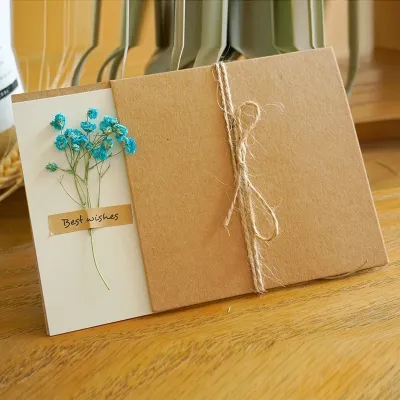
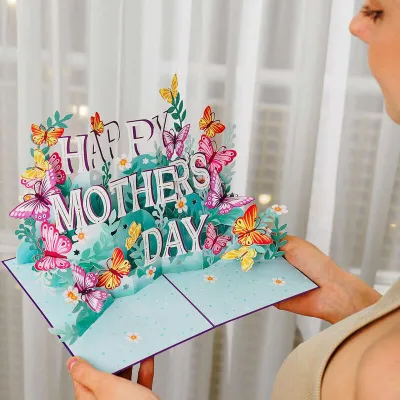
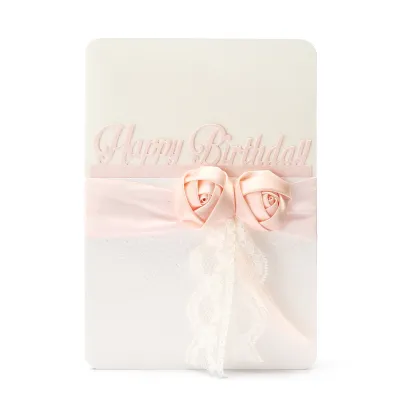
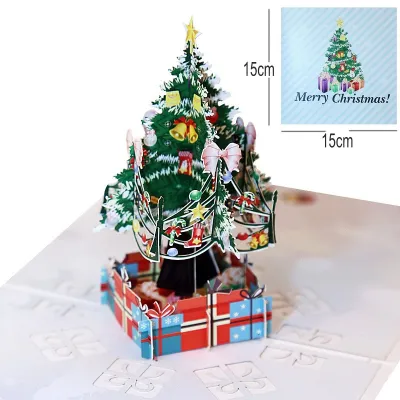
Prices are valid at publication and may change. Please refer to the product page for the latest price.
Beyond the paper itself, the printing and crafting techniques define the card’s artistic character. Letterpress printing, for instance, leaves a deep, tactile debossed impression in thick cotton paper that you can physically run your fingers over. Foil stamping should feature crisp, clean edges with a bright, reflective metallic finish that does not flake or peel. If you are looking at hand-painted cards, such as those featuring watercolor or gouache, look for genuine brushstrokes, subtle pigment pooling, and slight variations that prove each piece is individually rendered. For mixed-media cards incorporating embroidery, paper-cutting, or fabric applique, inspect the reverse side or the interior lining to ensure the stitching is neatly secured and will not unravel when handled.
Finishing details often separate amateur crafts from professional-grade artisanal stationery. Examine the edges of the card; clean, precision cuts indicate professional tools, while deckled (torn) edges should look intentional and elegant rather than frayed. The accompanying envelope is another critical quality marker, as a premium card should always be paired with a high-weight envelope of at least 120 gsm that complements the card’s color and texture. Finally, professional cardmakers package their products in protective, acid-free sleeves or rigid backing boards to prevent corner dings, moisture exposure, and surface scratching before the card reaches its recipient.
Because handmade papers feature unique fiber structures, verifying ink compatibility is essential before you write your message. Highly textured cotton or recycled papers can cause certain inks to feather, bleed, or dry slowly. To avoid ruining a premium card, perform a quick trial on the envelope flap or an inconspicuous inner corner using your preferred pen. Fine-tip gel pens and high-quality ballpoints generally perform well on most handmade surfaces, whereas wet fountain pen inks or heavy markers may require a more fibrous, hard-sized paper to prevent bleeding.
Where to Discover Independent Cardmakers and Local Brands
Sourcing authentic handmade cards in Singapore involves exploring curated physical spaces and direct-to-consumer online channels where independent creators showcase their work. Artisan markets, weekend pop-ups, and community craft fairs are exceptional venues for meeting local makers face-to-face. These events allow you to feel the paper textures, observe the true colors of hand-painted designs under natural light, and discuss custom design options directly with the artists. Engaging with creators at these markets often reveals the stories, inspirations, and localized themes behind their illustrations.

Independent stationery boutiques, lifestyle concept stores, and museum gift shops are also excellent physical curation points. Many of these shops, located in creative districts like Tiong Bahru, Kampong Glam, or the Bras Basah area, dedicate shelf space to local illustrators, printmakers, and paper artists. Shopping at these curated boutiques offers the convenience of comparing multiple independent brands side-by-side while ensuring that the products have passed a baseline quality check by the store owners.
If you prefer shopping online, direct-to-consumer websites and dedicated online marketplaces for handmade goods provide access to a vast array of independent cardmakers. When navigating these platforms, look for detailed seller profiles that share the artist’s background, design philosophy, and studio process. Authentic independent brands will typically provide transparent descriptions of their materials, printing methods, and assembly steps. Avoid generic storefronts that use stock imagery or lack clear information about where and how the cards are produced.
To ensure you are supporting genuine local design, look for creators who maintain active portfolios, share behind-the-scenes look at their printing presses or painting desks, and clearly state their local design credentials. Many independent makers in Singapore collaborate with local heritage printers or use sustainable, locally sourced packaging materials. Verifying these details not only guarantees that you receive a high-quality, authentic product but also directly supports the local creative ecosystem.
Matching Card Styles and Materials to Gifting Occasions
Selecting the perfect handmade card requires matching the artistic medium and paper style to the significance of the occasion and the personality of the recipient. For major life milestones—such as weddings, graduations, milestone birthdays, or significant anniversaries—opt for archival-quality materials that are designed to last for decades. Cards featuring elegant letterpress, blind debossing, or hand-applied gold leaf on heavy cotton cardstock convey a sense of reverence and permanence. These cards often double as keepsakes that recipients frame or store in memory boxes, making the durability of acid-free paper a key consideration.
For casual, seasonal, or everyday greetings, you can explore more playful, experimental, and eco-friendly designs. Mixed-media cards that incorporate whimsical illustrations, pop-up elements, or hand-stitched details add a cheerful, tactile surprise to casual birthday wishes or thank-you notes. Eco-friendly options, such as cards made from seed paper embedded with wildflower or herb seeds, are perfect for environmentally conscious recipients. These cards offer a unique interactive experience, as the recipient can plant the card in soil after reading it, allowing the paper to compost while the seeds grow.
Corporate gifting and professional relationships demand a style of subtle elegance and clean design. When selecting cards for clients, partners, or colleagues, choose minimalist layouts with sophisticated typography, neutral color palettes, and high-quality textured cardstock. Avoid overly ornate embellishments or highly personal themes; instead, look for brands that offer clean, geometric patterns, blind embossing, or subtle metallic accents. Many independent cardmakers offer customizable options for professional orders, allowing you to coordinate envelope colors or add a custom wax seal that aligns with a professional aesthetic without losing the handmade charm.
Navigating Custom Orders, Pricing, and Delivery
Commissioning a custom or bespoke handmade card allows you to personalize the design, calligraphy, or illustration to create a truly one-of-a-kind gift. When planning a custom order, it is important to understand the pricing structures associated with artisanal stationery in Singapore. While a standard, small-batch handmade card typically ranges from S$8 to S$15, fully customized designs involving bespoke illustrations, hand calligraphy, or custom letterpress plates generally start from S$20 to S$50 and can go higher depending on the complexity, material costs, and labor involved.
Lead times are another critical factor when ordering custom work from independent creators. Simple personalizations, such as adding a hand-lettered name to an existing design, may only require a few business days. However, completely bespoke commissions—which involve initial design drafts, material sourcing, and hands-on production—typically require a lead time of two to four weeks. Always communicate your deadline clearly to the artist at the beginning of the consultation to ensure they can accommodate your timeline, especially during peak festive seasons.
Because handmade cards often feature delicate, raised embellishments like wax seals, 3D paper cuts, or embroidered threads, protective packaging and reliable shipping are paramount. When ordering online, verify that the seller ships cards in rigid, bend-resistant cardboard mailers or padded envelopes to prevent creasing during transit. If you plan to mail a delicate handmade card yourself, consider placing it inside a protective sleeve and using a sturdy outer envelope. Be aware that cards with significant thickness, weight, or non-standard dimensions may require additional postage or hand-canceling at the post office to ensure they arrive safely without being damaged by automated sorting machines.
Frequently Asked Questions (FAQ)
How should I store handmade cards to preserve their condition?
Singapore’s tropical climate, characterized by high humidity and warm temperatures, poses specific challenges for preserving handmade paper products. High humidity can cause paper fibers to warp, weaken adhesives, and encourage the growth of mold or foxing (brown spots). To prevent this, store your handmade cards in a cool, dry environment away from direct sunlight, which can fade delicate hand-painted pigments and yellow organic paper fibers.
For optimal preservation, place the cards flat inside acid-free, archival-quality plastic sleeves or storage boxes. Including a few food-grade silica gel packets inside your storage container is an effective, low-cost way to absorb excess moisture and maintain a dry microclimate. Avoid storing cards in damp areas like basements, near open windows, or directly against external concrete walls where moisture can easily accumulate.
Are eco-friendly handmade cards durable enough for long-term keeping?
Yes, eco-friendly handmade cards are highly durable, provided they are made from high-quality organic fibers and stored correctly. Cards crafted from recycled cotton rags or agricultural waste fibers (such as bamboo or hemp) often possess longer, stronger fibers than standard wood-pulp paper, making them highly resistant to tearing and degradation over time. These materials naturally offer excellent archival properties when kept free from acid and lignin.
However, certain specialty eco-friendly papers, such as seed paper, require more careful handling. Because seed paper contains live, organic seeds embedded within the fibers, it is more sensitive to moisture and environmental changes. While the paper itself can remain intact for years if kept completely dry, the embedded seeds may lose their viability over time, and exposure to dampness can cause the seeds to sprout prematurely, altering the card’s structure. For long-term keeping, stick to high-weight recycled cotton or acid-free recycled paper stocks.
Community discussion
Share your experience or ask a question. Comments are reviewed before publication.