
Selecting the perfect motivational card in Singapore involves balancing tactile luxury with emotional resonance. A well-chosen card does more than convey a message; it serves as a physical keepsake that can sit on a desk, grace a shelf, or be tucked away in a journal for years to come. In a market filled with mass-produced options, finding cards that truly stand out requires a keen eye for material specifications and design details. Whether you are looking to encourage a colleague, support a friend through a difficult transition, or find daily inspiration for yourself, understanding what makes a card high-quality is the first step. This guide outlines the essential physical standards, sourcing channels, and design criteria to help you build a curated shortlist of motivational cards that perfectly match your gifting or personal needs.
By focusing on the physical construction of the card, the depth of its message, and the reliability of the sourcing channel, you can ensure your gesture feels intentional and premium. The Singapore stationery landscape offers a rich variety of options, from local independent designers to established international brands. Navigating these choices systematically allows you to find cards that not only look beautiful but also withstand the test of time and touch.
What Defines a Quality Motivational Card?
The physical and tactile quality of a greeting card sets the tone before the recipient even reads the message. A card that feels substantial and well-crafted immediately communicates care and intentionality. To evaluate the structural quality of motivational cards, you must look closely at paper specifications, surface textures, print finishes, and envelope construction.
Products mentioned in this guide
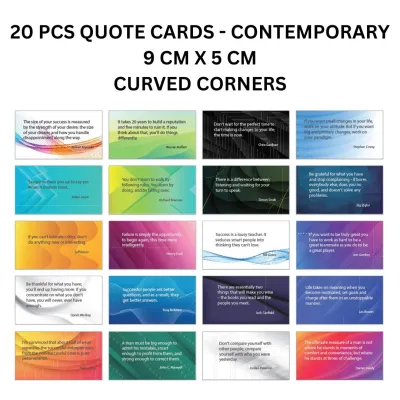
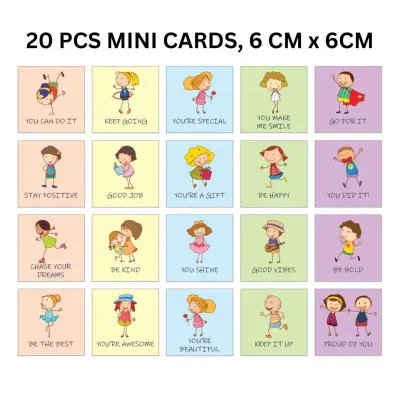
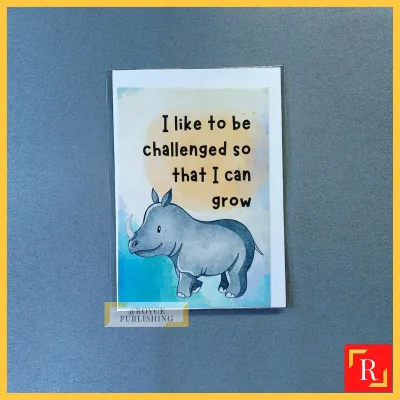

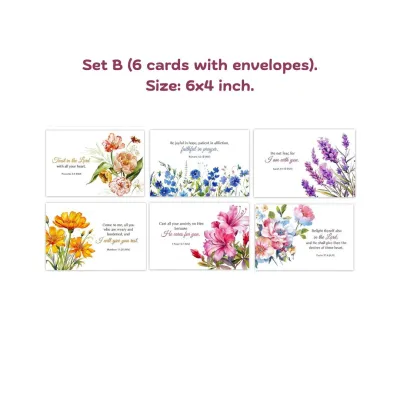
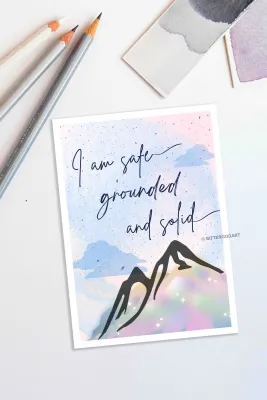
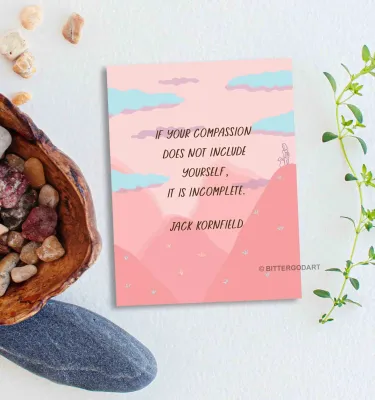
![[READ PROD DESC] 1 PC Thank You Cards Motivational Card Funny Thank You Card Student Card Appreciation Card Animal Pun Food Pun Card](https://img.lazcdn.com/g/p/2e15c4998f8a9baa9a84cb2c6e5a3122.jpg_400x400q80.jpg_.webp)
Prices are valid at publication and may change. Please refer to the product page for the latest price.
Paper weight is measured in grams per square meter (GSM), which determines the thickness and sturdiness of the card. For a premium hand feel, look for cards printed on paper stock that is at least 250 GSM, though 300 GSM to 350 GSM is the ideal range for a truly luxurious, rigid card that can stand upright on a desk without bowing. Standard dimensions also play a role in usability. Common sizes like A6 (105mm x 148mm) or 5×7 inches (127mm x 178mm) are highly versatile, ensuring the card fits perfectly into standard envelopes and is easy for the recipient to frame or store.
Surface texture directly impacts how the card interacts with different writing instruments. Uncoated, matte, or lightly textured papers (such as felt-marked or linen finishes) offer an excellent writing experience, allowing ink to absorb quickly. If you prefer writing with fountain pens, gel pens, or heavy markers, verify that the paper is resistant to feathering—where ink spreads along the paper fibers—and bleed-through, which ruins the reverse side of the card. Coated or glossy finishes, while vibrant for photos, often cause ink to smudge and are less suitable for long, handwritten messages.
Print quality and finishing techniques elevate a simple design into a tactile work of art. Techniques such as hot foil stamping add metallic gold, silver, or copper accents that catch the light beautifully. Embossing and debossing create raised or recessed patterns, adding a three-dimensional depth that invites touch. Letterpress printing, which presses ink deep into thick, soft paper, offers a classic, artisanal quality that mass-production methods cannot replicate. Inspecting these details helps you distinguish between standard digital prints and premium stationery.
The envelope should never be an afterthought, as it represents the recipient’s very first interaction with your card. A quality envelope should match or complement the card’s paper weight, ideally ranging between 100 GSM and 120 GSM to prevent the contents from showing through. Consider the closure style: traditional gummed flaps require moisture to seal, while peel-and-seal closures offer convenience and a cleaner finish. The envelope must be structurally durable, with secure seams that can withstand local postal handling or the humidity of transit without warping or coming undone.
Where to Source Motivational Cards in Singapore
Singapore offers a diverse retail landscape where you can discover both local independent creators and renowned international stationery brands. Knowing where to look allows you to match your shopping experience to your specific timeline, budget, and aesthetic preferences.

Local stationery boutiques and independent bookstores are treasure troves for curated, niche brands. Often nestled in creative neighborhoods like Tiong Bahru, Bras Basah, or the downtown design districts, these shops focus on unique artistic styles and small-batch productions. Sourcing from these boutiques allows you to find highly original motivational cards that feature hand-drawn illustrations, quirky typography, and localized themes. The staff in these shops are often passionate about stationery and can provide detailed information about the designers and materials used.
For convenience and a broad, reliable selection, major bookstore chains and lifestyle retailers located in prominent shopping malls along Orchard Road or regional hubs are excellent options. These larger retailers carry widely available collections from established international brands. Shopping here is ideal when you need to browse a large volume of cards quickly or want to physically assess the paper weight and print quality before purchasing. These stores frequently organize their card sections by occasion, making it easy to locate motivational or encouragement cards.
Online marketplaces and official brand websites offer the greatest variety and the convenience of direct delivery. Many independent designers and boutique stationery brands operate their own e-commerce stores, showcasing their entire digital catalogs. When shopping online, you can easily filter cards by theme, color palette, or price point. While you cannot physically touch the paper, reputable online sellers provide detailed product specifications, high-resolution images, and customer reviews to help you make an informed decision from the comfort of your home.
Pop-up markets, craft fairs, and local art festivals provide a unique opportunity to support small-batch creators directly. These events, frequently held in community spaces, museum atriums, or lifestyle venues over weekends, showcase the work of local illustrators and printmakers. Sourcing motivational cards at these markets allows you to discover limited-edition designs that are not distributed in mainstream retail stores. It also gives you the chance to speak directly with the artists, gaining insight into the inspiration behind their designs and messages.
Evaluating Message Variety and Design Aesthetics
The true value of a motivational card lies in its ability to connect emotionally with the recipient. Evaluating the message variety and design aesthetics ensures that the card you select resonates deeply and feels personally tailored to the recipient’s situation.
It is important to differentiate between generic clichés and thoughtful, nuanced messages. Mass-market cards often rely on overused platitudes like “just believe in yourself” or “everything happens for a reason,” which can sometimes feel dismissive or hollow, especially during difficult times. Look for brands that offer more grounded, empathetic, or even gently humorous language. A message that acknowledges the difficulty of a situation while offering quiet solidarity or practical encouragement often carries far more weight than superficial optimism.
Illustration styles should align with the recipient’s personal taste and the specific tone of the occasion. Minimalist typography, featuring clean lines and bold layouts, is highly versatile and works exceptionally well for professional settings or modern tastes. Watercolor illustrations and soft, organic drawings convey warmth, gentleness, and comfort, making them ideal for personal milestones or emotional support. Abstract art and vibrant graphic designs offer an energetic, celebratory feel that is perfect for marking exciting career transitions or creative achievements.
Modern motivational cards also embrace inclusive and diverse themes, moving beyond traditional milestones to address real-world experiences. Look for collections that touch on mental health awareness, career pivots, neurodivergence, mindfulness, or the simple beauty of daily rest. This diversity ensures that you can find a card that accurately reflects the recipient’s lived experience, showing that you truly understand and validate what they are going through.
Finally, pay close attention to the interior layout of the card. Many premium brands prefer completely blank interiors, giving you the ultimate freedom to write a personalized, heartfelt message. If a card does feature a pre-printed inner quote, ensure that the text is brief, leaving ample blank space around it for your own handwriting. A handwritten note, combined with a carefully selected design, transforms a simple card into a deeply personal gift.
Building a Conditional Shortlist for Gifting and Personal Use
To help you navigate your purchasing decisions, it is useful to establish a clear framework that matches specific card attributes to your intended use case. This ensures you spend your S$ budget effectively while achieving the desired emotional impact.
For professional or corporate gifting, such as congratulating a colleague on a promotion, thanking a mentor, or encouraging a team member, prioritize understated elegance. Select cards with neutral or sophisticated color palettes, minimalist typography, and premium paper stocks of 300 GSM or higher. Look for subtle finishes like gold foil accents or debossed details that communicate professionalism. The message should be universally appropriate, focusing on themes of leadership, growth, dedication, and milestone achievements, while keeping the tone respectful and polished.
When choosing a card for personal milestones or deep emotional support—such as a friend navigating a career change, a family member practicing mindfulness, or someone facing a personal loss—prioritize warmth and empathy. Opt for cards featuring hand-drawn illustrations, soft watercolor designs, or tactile letterpress printing that feels intimate and comforting. The language should be gentle and supportive, focusing on solidarity, resilience, and self-care. For these occasions, a blank interior is highly recommended, allowing you to write a detailed, personal message that speaks directly to your relationship.
If you use motivational cards frequently for daily affirmations, journaling prompts, or small, spontaneous gestures of appreciation for friends and coworkers, consider bulk purchasing. Many stationery brands offer boxed sets, multi-packs, or card assortments. These options are highly cost-effective, reducing the cost-per-card within your S$ budget while providing a cohesive set of designs. Look for multi-packs that offer a variety of versatile designs and blank interiors, ensuring you always have the right card on hand for any unexpected occasion.
Before finalizing any online purchase, take a moment to verify the seller’s operational policies to ensure a smooth transaction. Check the estimated shipping lead times, especially if you need the card by a specific date, and confirm that the seller provides tracking. Review their packaging descriptions to ensure they use protective measures to prevent bending during transit. Lastly, read their return or replacement policy regarding paper goods, so you know your options if the cards happen to arrive damaged or creased.
Frequently Asked Questions (FAQ)
Can I find eco-friendly or sustainably made motivational cards?
Yes, many stationery brands in Singapore and internationally now prioritize environmental responsibility in their production processes. When searching for sustainable options, look for cards printed on FSC-certified paper, which guarantees that the wood pulp is sourced from responsibly managed forests, or cards made from 100% recycled post-consumer waste. Some innovative brands even offer plantable seed paper, which is embedded with wildflower seeds and can be planted in soil after use. Additionally, check product descriptions for the use of eco-friendly soy-based or vegetable-based inks instead of traditional petroleum-based inks, and look for brands that package their cards plastic-free, using biodegradable sleeves or simple paper bands.
How do I ensure the cards arrive in good condition when ordering online?
To protect delicate paper goods from being bent, creased, or exposed to moisture during transit, always check the seller’s packaging specifications before placing an online order. High-quality stationery retailers typically ship cards in rigid cardboard mailers, use thick cardboard backing inserts to prevent bending, or place the cards inside water-resistant protective sleeves. Once your package arrives, inspect the corners, edges, and surfaces of the cards immediately. If you notice any transit damage, such as creases or water spots from local humidity or rain, take clear photos of the damage and the packaging right away, and contact the seller’s customer service team to request a replacement or refund.

Community discussion
Share your experience or ask a question. Comments are reviewed before publication.