
Finding the right inspirational cards in Singapore involves balancing aesthetic appeal, message resonance, and material quality. While the local market features a diverse array of independent designers and international stationery brands, selecting the ideal card requires understanding how different paper stocks, printing techniques, and editorial tones align with your recipient’s preferences. By focusing on physical construction and sourcing from curated local boutiques or specialized online platforms, you can discover cards that elevate a simple message into a lasting keepsake. This guide provides a comprehensive framework for evaluating card quality, matching designs to specific occasions, and ensuring your handwritten notes look flawless on any paper surface.
Defining Your Needs: Styles and Messages in Inspirational Cards
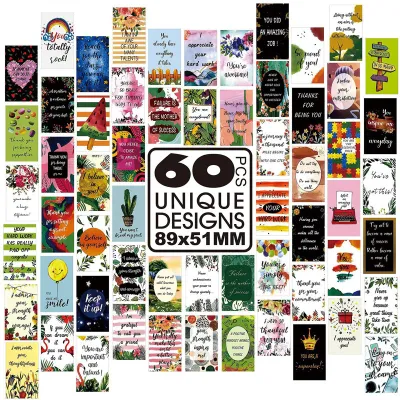
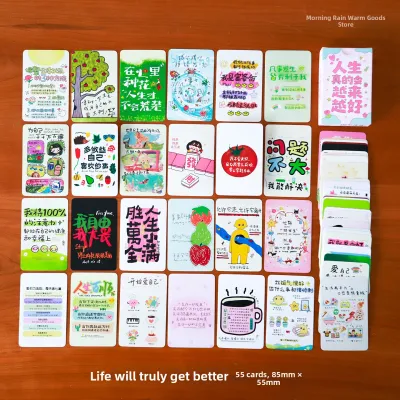
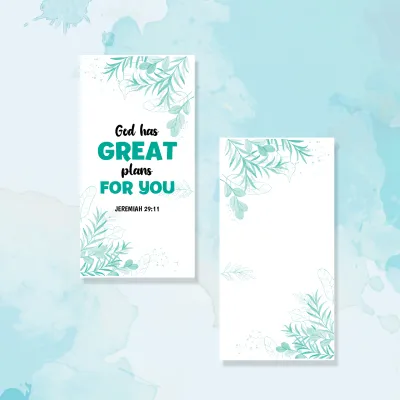
Before embarking on your search for the perfect card brand, it is essential to clarify the visual style and editorial tone that will best convey your sentiments. Inspirational cards come in a wide variety of design languages, each evoking a distinct emotional response. Minimalist designs, characterized by clean lines, generous negative space, and subtle typography, are excellent for recipients who appreciate modern, uncluttered aesthetics. These cards allow the core message to stand out without visual distraction. Floral and botanical illustrations, often rendered in soft watercolors or detailed line art, naturally convey themes of growth, renewal, and gentle comfort, making them highly suitable for encouragement during difficult times.
Typographic designs place the focus entirely on the power of the written word, utilizing bold lettering, hand-drawn calligraphy, or striking color contrasts to deliver a high-energy motivational message. Meanwhile, whimsical or narrative illustrations add a touch of playfulness and warmth, which can make an inspirational message feel more approachable and intimate.
Products mentioned in this guide
![[PLEASE READ PROD DESC] 10 PCS Different Mini Scripture Cards with Assorted Bible Verses](https://img.lazcdn.com/g/p/44633900469cd22baa8048cbcab121e2.jpg_400x400q80.jpg_.webp)
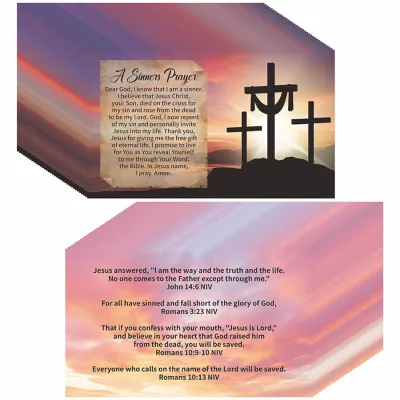
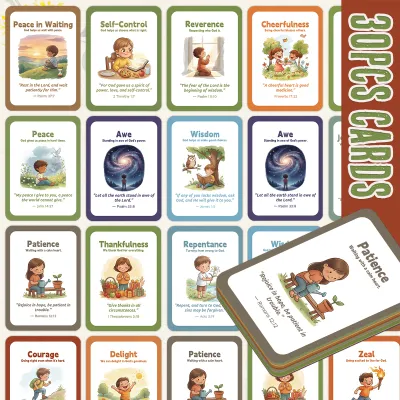
Prices are valid at publication and may change. Please refer to the product page for the latest price.
Beyond the visual style, the tone of the message must align with the recipient’s personal outlook and the specific context of the occasion. Secular motivational cards typically focus on personal resilience, ambition, and self-belief, making them ideal for career milestones or academic challenges. Empathetic support cards, on the other hand, offer gentle comfort and validation during periods of grief, illness, or personal transition, prioritizing warmth over active goal-setting. Spiritual or philosophical encouragement cards draw on timeless wisdom and reflective themes, offering a deeper sense of peace and perspective. By carefully matching the card’s design and tone to the recipient’s unique personality, you ensure the gesture feels deeply personal and sincere.
Key Criteria for Evaluating Greeting Card Brands
When assessing the quality of any greeting card brand, the physical materials and manufacturing techniques serve as primary indicators of value. The foundation of any premium card is its paper stock. High-quality cards are typically printed on heavy cardstock ranging from 250 gsm to 350 gsm (grams per square meter). This weight gives the card a substantial, premium feel in the hand and ensures it can stand upright on a desk or shelf without bowing or warping over time.

The texture of the paper also plays a significant role in both the visual and tactile experience. Matte finishes offer a smooth, non-reflective surface that showcases deep colors and is highly receptive to most writing instruments. Glossy finishes provide vibrant color reproduction and sharp details, though they can be prone to fingerprint smudges and require specific quick-drying inks. Textured papers, such as felt-marked, linen, or cotton rag, add an organic, luxurious feel that immediately signals artisanal craftsmanship. Recycled paper options, which often feature subtle natural flecks and a slightly warmer tone, offer an excellent balance of aesthetic appeal and environmental responsibility.
Print clarity and finishing details are equally critical. High-resolution printing ensures that fine text and intricate illustrations remain sharp and legible, without any visible dot patterns or color bleeding. Premium brands often incorporate specialized finishing techniques to add visual interest and physical depth. Metallic foil stamping, in gold, silver, or rose gold, catches the light beautifully and adds a touch of elegance. Embossing (raising the paper surface) or debossing (indenting the paper) creates a tactile dimension that invites touch and highlights key design elements.
Finally, do not overlook the presentation accessories. A quality card should be paired with a substantial envelope, ideally made from paper weighing 120 gsm or more, with a secure adhesive seal. Some premium brands include elegant inner linings or coordinating colors that complement the card’s design. To protect these delicate materials from dust, moisture, and handling damage before gifting, look for brands that package their cards in protective sleeves, such as compostable cellophane or minimalist paper bands. While mass-produced cards are widely available, premium artisanal options in Singapore typically range from S$4 to S$12, reflecting the superior materials, limited print runs, and meticulous craftsmanship involved.
Where to Source Inspirational Cards in Singapore
Singapore offers a diverse retail landscape for sourcing high-quality inspirational cards, catering to both tactile shoppers and online buyers. Visiting physical retail spaces is highly recommended if you wish to personally inspect the paper weight, texture, and print quality before purchasing. Independent stationery boutiques, lifestyle concept stores, and museum gift shops are excellent starting points. These curated spaces often showcase unique, design-forward collections from local independent artists and boutique international brands that are not available in mainstream retail chains.
For a wider selection and the convenience of shopping from home, exploring local online marketplaces, independent brand websites, and curated digital storefronts is highly effective. Many independent Singaporean designers host their own online stores, offering detailed product descriptions, high-resolution images, and direct-to-consumer shipping. When navigating these digital platforms, look for detailed specifications regarding paper weight and dimensions to ensure the product meets your expectations.
Specialty gift shops and major bookstores located across Singapore’s retail districts also offer reliable, widely distributed selections of greeting cards. These locations are particularly convenient for last-minute purchases, providing a dependable mix of established international stationery labels and popular local brands. They often organize their card displays by theme, making it easy to locate inspirational or motivational sections quickly.
When purchasing cards for time-sensitive events, always verify stock availability and local delivery timelines. Standard domestic shipping within Singapore typically takes two to four business days, while express courier options can deliver your order within 24 hours. Additionally, review the seller’s return and exchange policies, especially when ordering delicate paper goods online, to ensure a smooth and risk-free purchasing experience.
Matching the Card to the Recipient and Occasion
To maximize the impact of an inspirational card, the chosen theme and physical format must align seamlessly with the recipient’s circumstances and your relationship with them. For major life milestones, such as graduations, promotions, or starting a new business venture, select cards that feature bold, forward-looking motivational quotes and celebratory designs. For individuals navigating recovery, illness, or personal loss, prioritize gentle, comforting themes that emphasize patience, strength, and quiet support, avoiding overly cheerful or demanding language. Career transitions, relocations, or periods of uncertainty are best met with cards that encourage adaptability, self-belief, and the promise of new beginnings.
The closeness of your relationship should guide the emotional depth and formality of the card’s message. For professional contacts, colleagues, or acquaintances, opt for elegant, universally inspiring quotes that maintain a respectful and polite boundary. For close friends, family members, or partners, you can choose cards with more intricate, emotionally resonant messages, or select a card with a blank interior. A blank card provides the ultimate canvas, allowing you to write a highly personalized, heartfelt message that speaks directly to your shared history and deep connection.
The physical size and format of the card should also suit your delivery method. Standard rectangular formats, such as A6 or A2 sizes, are highly versatile and fit standard postal envelopes, making them ideal for mailing. Square cards or oversized formats offer a distinct, modern aesthetic but may require specialized envelopes or additional postage if sent through the mail. Consider how the card will be presented—whether it will be hand-delivered in a gift bag, attached to a floral arrangement, or sent via local post—and choose a folding format (such as a classic bi-fold or a flat postcard style) that complements the overall presentation.
Enhancing the Gifting Experience with Personalization
The physical act of writing your message is where the personalization of your gift truly begins. To ensure your handwritten note looks clean and professional, it is crucial to match your writing instrument to the card’s specific paper stock. Uncoated matte papers are highly versatile and absorb ink well, making them compatible with gel pens, fine-liner felt tips, and fountain pens. However, because these papers are fibrous, wet inks can sometimes feather or bleed through. It is always wise to perform an observable trial by testing your pen on a small, inconspicuous corner of the card or a scrap piece of similar paper first to verify drying speed and bleed resistance.
For glossy or heavily coated paper surfaces, standard water-based gel pens and fountain pens should be avoided, as the ink will sit on top of the coating and smudge easily. Instead, opt for quick-drying ballpoint pens or specialized permanent fine-liners that adhere securely to coated surfaces without smearing. If you are using a fountain pen on premium cotton or linen paper, select a fine or extra-fine nib and a well-behaved, quick-drying ink to prevent feathering and ensure sharp, legible script.
When structuring your personal message, aim to expand upon the card’s printed inspirational quote rather than simply repeating it. Begin with a warm, personal greeting, then reference the printed message and explain why it reminded you of the recipient or their current journey. Share a specific memory, express your admiration for their resilience or character, and offer a sincere, forward-looking wish. This thoughtful structure transforms the card from a simple retail product into a deeply meaningful, customized keepsake.
Finaly, coordinate the card’s physical presentation with the main gift to create a cohesive visual experience. Match the color palette of the envelope and card with your wrapping paper, gift bag, or ribbon. For instance, a minimalist card with neutral tones pairs beautifully with natural kraft paper and cotton twine, while a vibrant, gold-foiled card complements elegant, high-gloss packaging. Securely attaching the card to the gift or placing it neatly on top ensures it is the first thing the recipient sees, setting a thoughtful tone before they even open the main present.
Frequently Asked Questions (FAQ)
Can I find eco-friendly or sustainably printed inspirational cards locally?
Yes, many stationery brands available in Singapore prioritize environmental sustainability in their production processes. When shopping, look for specific material certifications and labels on the card packaging or product descriptions. Key indicators include FSC-certified (Forest Stewardship Council) paper, which guarantees that the wood pulp is sourced from responsibly managed forests. Additionally, seek out cards printed with plant-based or soy-based inks, which are biodegradable and less harmful to the environment than traditional petroleum-based inks. Many eco-conscious brands also utilize 100% recycled post-consumer waste paper and package their cards in biodegradable, plastic-free sleeves or simple paper bands to minimize single-use plastic waste.
What is the standard size for greeting cards, and does it affect postage?
The most common standard sizes for greeting cards are A6 (approximately 105mm x 148mm) and A2 (approximately 111mm x 146mm). These dimensions fit standard envelopes perfectly and are widely accepted for regular mailing. In Singapore, standard postage rates apply to these typical rectangular dimensions, provided the total weight remains within local postal limits (usually under 20 grams for basic domestic mail) and the thickness does not exceed 6mm. Square cards, oversized formats, or cards with bulky embellishments like ribbons, wax seals, or thick embossing often require non-standard postage rates due to automated sorting limitations. Always check local postal guidelines or weigh your card at a post office if you are unsure to ensure smooth delivery.

Community discussion
Share your experience or ask a question. Comments are reviewed before publication.