
Sending a physical postcard from Singapore carries a personal warmth that digital messages simply cannot replicate. A carefully chosen card serves as a tangible keepsake, capturing the unique cultural tapestry of the island through the eyes of local creators. Whether you are a traveler sharing your journey or a resident sending warm wishes abroad, finding the right card involves balancing artistic design with physical durability. This guide will help you navigate the diverse design themes of Singapore-themed stationery, evaluate paper weights and finishes for seamless writing, and locate authentic local brands and boutiques where these creative works are sold.
What Makes a Great Singapore-Themed Postcard
A truly exceptional Singapore-themed postcard does more than depict a famous landmark; it tells a story through thoughtful design and material quality. The best local stationery brands strike a delicate balance between cultural authenticity and modern artistic interpretation. Instead of relying on generic, mass-produced photographs, independent designers often use hand-drawn illustrations, watercolor paintings, or minimalist graphic designs to capture the essence of local life. This artistic approach transforms a simple piece of mail into a collectible work of art that recipients are likely to keep and display.
Physical dimensions are another critical factor when selecting a postcard. Standard postcard sizes typically align with the A6 format, measuring approximately 105mm by 148mm. This size is widely accepted by postal sorting machines globally and fits comfortably within standard mailing rates. Choosing a card that adheres to these standard dimensions ensures your message travels smoothly through international postal networks without requiring additional postage or risking damage during automated sorting.
Products mentioned in this guide
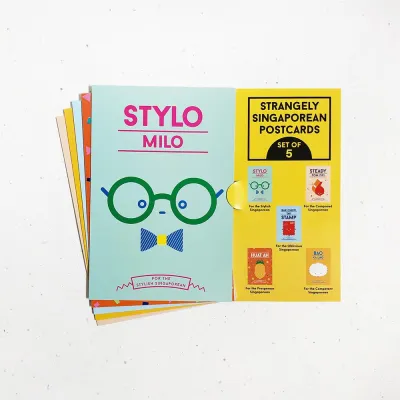
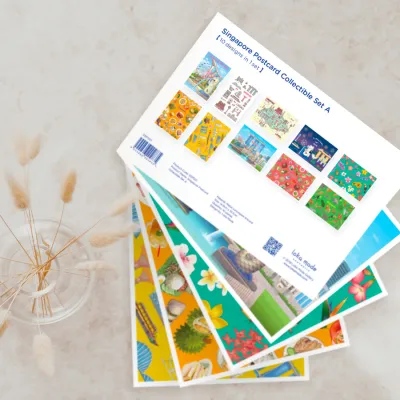
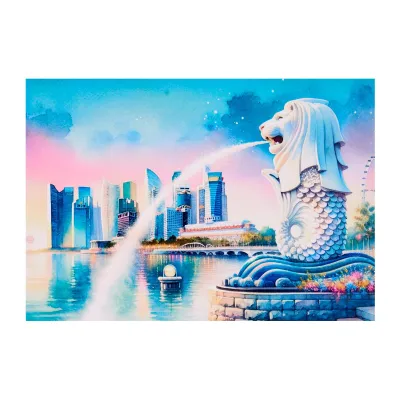
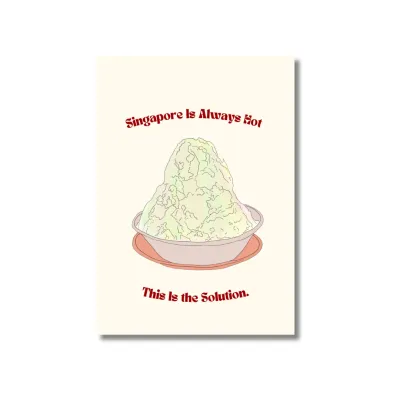
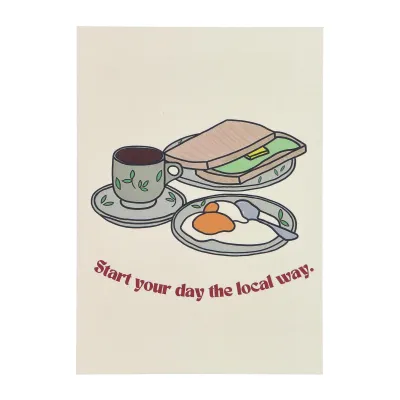
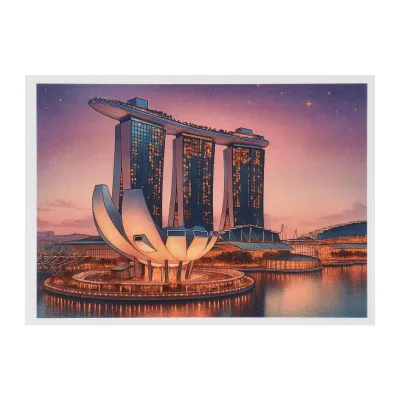
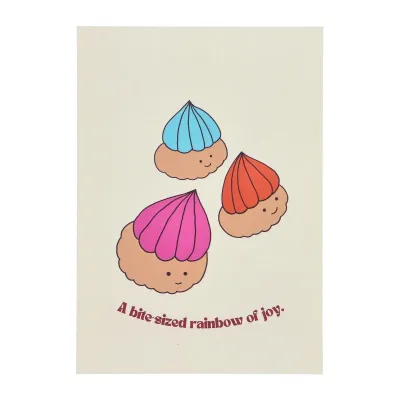
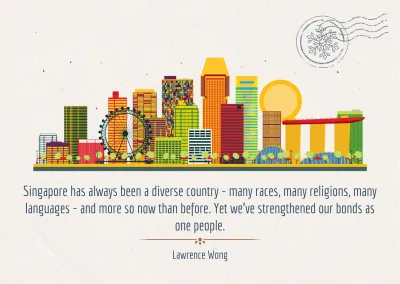
Prices are valid at publication and may change. Please refer to the product page for the latest price.
Supporting independent local artists and small stationery businesses adds a layer of meaning to your purchase. When you buy from local creators, you directly contribute to the preservation and celebration of Singapore’s unique heritage. These designers often draw inspiration from their own lived experiences in the heartlands, resulting in highly relatable and authentic depictions of daily life. By choosing these brands over generic souvenir shop items, you receive a product of superior craftsmanship while fostering the growth of the local creative community.
Popular Design Themes to Match Your Recipient
Selecting the perfect postcard involves matching the visual style to the personality and interests of your recipient. Local designers offer a rich variety of themes, ranging from historical nostalgia to contemporary humor.

Heritage and Peranakan motifs are ideal for history buffs and those who appreciate intricate patterns. These designs frequently showcase the iconic pastel-colored shophouses found in districts like Katong and Chinatown, complete with detailed ceramic tiles and ornate wooden shutters. Illustrators often capture the architectural elegance of these historical buildings, preserving the visual legacy of Singapore’s multicultural past in a format that feels both classic and elegant.
For those who appreciate modern aesthetics, cityscapes and heartland scenes offer a compelling contrast. While some cards depict the futuristic architecture of the downtown skyline, others focus on the charm of everyday public housing estates, known locally as HDB flats. These heartland designs often feature nostalgic elements like void deck chess tables, playground structures from the 1980s, and local coffee shops. This juxtaposition highlights the dual nature of Singapore as both a global metropolis and a collection of close-knit communities.
Local slang and typography designs are perfect for recipients who enjoy lighthearted humor and cultural quirks. These cards prominently feature colloquial expressions, often accompanied by playful definitions or whimsical illustrations of local food culture. From celebrating the ritual of ordering traditional coffee to explaining the nuances of local terms, these typographic cards serve as an engaging introduction to the unique linguistic blend of the city-state.
Finally, native flora and fauna themes appeal to nature lovers and botanical enthusiasts. Singapore’s identity as a city in nature is beautifully represented through detailed illustrations of tropical plants, such as the Vanda Miss Joaquim orchid, and local wildlife like the smooth-coated otter or the colorful crimson sunbird. These designs often utilize soft watercolors or vintage botanical print styles, offering a serene and sophisticated aesthetic that stands out in any mailbox.
How to Evaluate Paper Quality and Print Finishes
The tactile experience of holding a postcard is just as important as its visual appeal. To ensure your card survives the journey through international mail systems without bending or tearing, you must evaluate the paper weight, which is measured in grams per square meter (GSM). A high-quality postcard should have a paper weight of at least 300 GSM, though 350 GSM is preferred for maximum rigidity. Cards made from lighter paper, such as 250 GSM or below, are prone to creasing and may feel flimsy to the recipient.
Surface textures and coatings significantly influence both the appearance of the card and how easy it is to write on. Postcards often feature a dual-finish design: a coated front side to enhance the vibrancy of the printed artwork, and an uncoated back side to facilitate writing. Matte coatings on the front provide a modern, glare-free look, while glossy coatings make colors pop but can sometimes feel less premium. The back of the card must remain completely uncoated; glossy or heavily coated writing surfaces will cause most inks to pool, bead, or smudge.
Before writing your message, it is wise to verify ink smudge resistance through an observable trial, especially if you plan to use gel pens, rollerballs, or fountain pens. Different paper fibers absorb ink at varying speeds. To test this, write a small sample stroke on a scrap piece of similar paper or a hidden corner of the card, and gently run your finger over it after a few seconds. If you are using a fountain pen, look for paper that resists “feathering”—where the ink bleeds outward along the paper fibers—and “bleed-through,” where the ink penetrates to the front design. For the smoothest writing experience, look for cards made from premium uncoated cardstock or fine-textured art paper that balances quick drying times with crisp line definition.
Where to Shop for Authentic Local Stationery Brands
Finding authentic, locally designed postcards requires steering clear of generic tourist souvenir shops and instead exploring curated retail spaces. Independent bookstores and specialized stationery boutiques, particularly those located in civic and cultural districts like Bras Basah, Bugis, or Tiong Bahru, are excellent starting points. These shops pride themselves on sourcing unique paper goods directly from local illustrators and printmakers, offering a selection that you will not find in mainstream retail chains.
Museum, gallery, and heritage center gift shops are also treasure troves for high-quality stationery. Institutions such as the National Museum of Singapore or the National Gallery Singapore collaborate closely with local artists to create exclusive merchandise inspired by their collections. Postcards purchased from these venues often feature premium printing techniques, such as foil stamping or embossing, making them excellent keepsakes or gifts for art enthusiasts.
If you prefer shopping from the comfort of your home, official brand websites and verified storefronts on general online marketplaces provide access to a vast array of local designs. Many independent creators run their own e-commerce stores, where they offer their complete collections, including limited-edition prints and matching sticker sheets. When purchasing online, look for detailed product descriptions that specify paper weight and dimensions to ensure you are receiving a genuine, high-quality product. Individual postcards from independent designers typically range from S$2 to S$5, while premium greeting cards with envelopes may cost slightly more.
For a more interactive shopping experience, keep an eye out for local pop-up art markets, craft fairs, and design festivals. These events, often held on weekends in creative hubs or community spaces, allow you to meet the artists in person, learn the stories behind their designs, and purchase exclusive postcard sets that may not be available online.
Building Your Shortlist for Gifting and Mailing
When finalizing your purchase, consider how you plan to use and distribute your cards. If you are a visitor planning to mail several postcards to friends and family back home, look for multi-packs or themed bundles. Many local brands package their designs in sets of five or ten, which is often more cost-effective than purchasing individual cards. These bundles typically feature a cohesive design theme, allowing you to share different facets of Singapore’s culture with different recipients.
For formal occasions, personal milestones, or when you want to write a longer message, premium greeting cards with matching envelopes are a superior choice. Unlike standard postcards, these cards are folded, providing a private space for your thoughts and protecting the interior writing from dust and moisture during transit. Ensure the envelope is made from a matching high-quality paper stock to maintain a cohesive presentation.
Before heading to the post office, always check the latest postal guidelines regarding maximum thickness, weight, and dimensions. Standard postage rates apply to cards within specific size limits; adding heavy embellishments, wax seals, or thick stickers can classify your postcard as a letter or package, resulting in unexpected surcharges. If you are mailing a card with delicate finishes, consider placing it inside a protective envelope to prevent the surface from being scratched by automated sorting machines.
Finally, if you are collecting postcards during your travels or storing them for future use, proper storage is essential. Keep your cards in a cool, dry place away from direct sunlight to prevent the paper from yellowing or the colors from fading. Storing them flat in a dedicated stationery box or a protective sleeve will keep the corners crisp and ensure they remain in pristine condition until you are ready to write your message.
Frequently Asked Questions (FAQ)
Do Singapore postcards require special stamps for international mailing?
Yes, postcards sent from Singapore to international destinations require specific postage rates that differ from local mail. The postage amount depends on the destination country, which is typically categorized into different zones by the national postal service. You can purchase the correct denomination stamps at post offices, automated posting kiosks, or authorized stamp vendors across the island. It is always recommended to verify the current weight and size limits before mailing, as oversized or unusually heavy cards may require additional postage to ensure successful delivery.
Can I find custom or personalized Singapore postcards from local brands?
Many local print-on-demand studios and independent designers offer custom stationery services for those seeking a personalized touch. These services are particularly popular for corporate events, weddings, or special personal milestones. Keep in mind that custom orders typically involve minimum order quantities and require several weeks of lead time for design approval and printing. If you need a personalized option quickly, you can customize standard local postcards by adding your own handwritten calligraphy, decorative washi tape, or a custom wax seal on the back of the card.
Community discussion
Share your experience or ask a question. Comments are reviewed before publication.