
Choosing the right sewing fabric is the single most critical decision in any garment or textile project. The material you select determines not only how easy the project is to sew but also how the finished item drapes, breathes, and holds up over time. Matching your pattern to the correct fabric properties ensures a professional finish and a garment that functions exactly as intended.
Understanding Fabric Basics: Woven vs. Knit and Fiber Types
Fabric construction generally falls into two primary categories: woven and knit. Woven fabrics are created by interlacing two sets of yarns at right angles, resulting in a stable structure with minimal stretch unless elastic fibers are blended in. These materials are highly predictable under the needle, making them excellent for structured garments, tailored trousers, and crisp button-down shirts.
Knit fabrics are constructed by looping a single yarn together, giving them inherent stretch and recovery. They are ideal for comfortable, form-fitting garments like t-shirts, activewear, and loungewear. Because knits stretch as you sew, they require specific handling techniques, such as using a ballpoint needle and a stretch stitch to prevent thread breakage.
Products mentioned in this guide
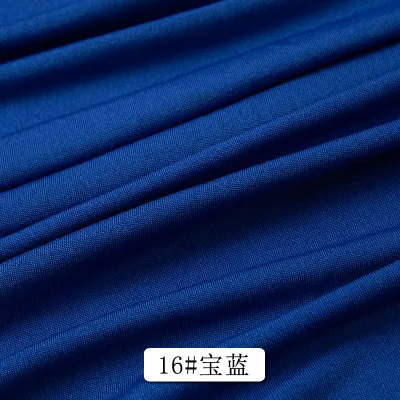
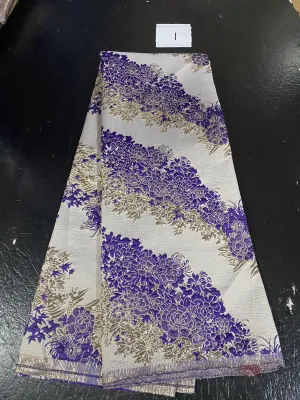
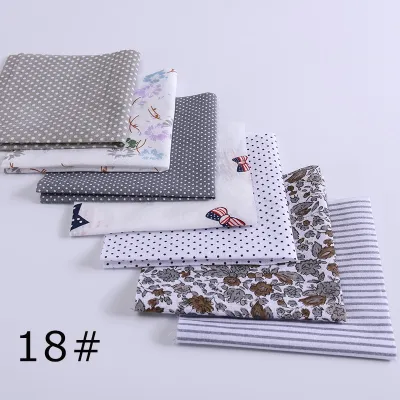
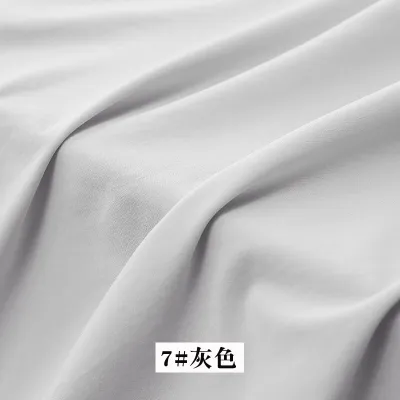
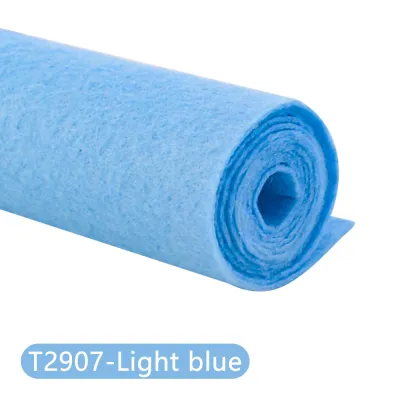
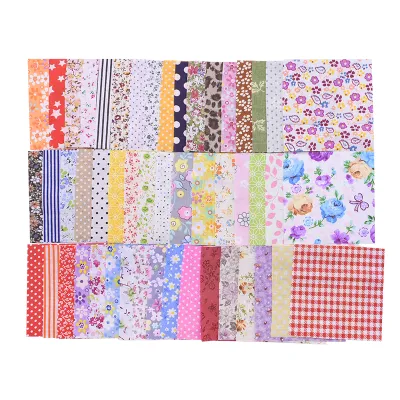
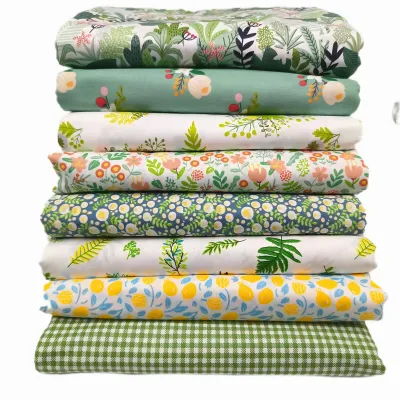
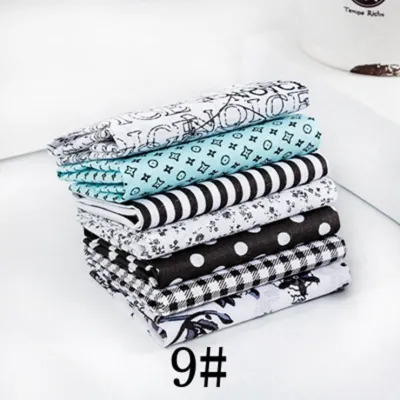
Prices are valid at publication and may change. Please refer to the product page for the latest price.
Fiber origin further dictates how a fabric behaves, breathes, and ages. Natural fibers, derived from plants or animals, offer exceptional breathability and comfort but are prone to wrinkling and shrinking. Synthetic fibers are engineered for durability, stain resistance, and wrinkle recovery, though they can trap body heat and moisture.
Before purchasing, always verify the foundational details printed on the fabric bolt or label. Look for the exact fiber content percentages, fabric width, and care symbols. This information helps you select the correct sewing machine needle size and type, such as a universal needle for medium-weight cottons or a stretch needle for synthetic knits.
Natural Fiber Fabrics: Properties and Ideal Projects
Natural fibers are highly favored for their comfort, breathability, and luxurious feel. Understanding the distinct properties of plant-based and animal-based fibers allows you to choose the best material for your specific climate and project goals.

Cotton and Linen (Plant-Based Fibers)
Cotton is a highly breathable, absorbent, and versatile fiber that is exceptionally easy to handle under the sewing machine. It does not slip or warp during cutting, presses beautifully, and is forgiving of minor stitch tension errors. These qualities make cotton the premier choice for everyday apparel, quilting, and lightweight home decor items.
Linen is prized for its distinct slubby texture, strength, and superior moisture-wicking capabilities. In Singapore’s hot and humid tropical climate, linen is a staple choice for creating airy dresses, loose trousers, and summer shirts that keep the wearer cool. It creases easily, but this characteristic is widely accepted as part of its natural, relaxed charm.
Because plant-based fibers are prone to significant shrinkage during their first wash, always check the label for pre-shrinkage treatments. It is highly recommended to perform a simple swatch test before cutting your pattern. Cut a 10 cm square of fabric, wash and dry it according to your planned garment care routine, and measure it afterward to calculate the exact shrinkage percentage and verify that the dye is colorfast.
Silk and Wool (Animal-Based Fibers)
Silk offers an elegant luster, a fluid drape, and a lightweight feel against the skin, making it the standard for formalwear, delicate blouses, and luxury linings. However, its slippery texture requires patience, fine pins, and specialized sharp microtex needles to prevent unsightly snags and skipped stitches.
Wool is celebrated for its natural warmth, elasticity, and incredible moldability under a steam iron, which makes it the traditional choice for structured blazers, winter coats, and tailored suits. While heavy wool coats are rarely worn locally, lightweight tropical wools are highly functional for professional office wear in heavily air-conditioned spaces.
Delicate animal fibers require careful maintenance and protection. Always check the label for dry-clean-only instructions, and plan to store finished wool garments in breathable bags with cedar blocks to prevent moth damage. When pressing these fabrics, always test your iron temperature on a hidden scrap to avoid scorching delicate silk or flattening the natural loft of wool.
Synthetic and Blended Fabrics: Durability and Versatility
Synthetic and semi-synthetic fabrics offer practical solutions for modern wardrobes, providing durability, wrinkle resistance, and unique performance characteristics that natural fibers cannot match.
Polyester and Nylon
Polyester is incredibly strong, highly resistant to wrinkling, and retains its color vibrantly even after dozens of washes. It is widely used in daily wear, athletic apparel, and lining materials. Its synthetic nature means it does not absorb moisture, which can make some tightly woven polyesters feel warm to wear.
Nylon is exceptionally tough, lightweight, and highly resistant to abrasion. It is the primary choice for outdoor gear, backpacks, windbreakers, and utility pouches. Because nylon has low heat tolerance, it requires careful handling during construction.
When selecting synthetic fabrics for clothing, verify if the material features a moisture-wicking weave or an open structure to ensure adequate breathability. Always adhere strictly to the manufacturer’s recommended heat limits when pressing; using an iron that is too hot can instantly melt synthetic fibers, leaving a shiny patch or ruining the fabric entirely.
Rayon/Viscose and Fabric Blends
Rayon and viscose are semi-synthetic fibers made from regenerated cellulose. They offer a silky-smooth touch and a beautiful, fluid drape that mimics silk at a fraction of the cost, making them highly popular for summer dresses and blouses. However, rayon is notoriously unstable during the cutting process because it shifts easily, and its fibers weaken significantly when wet.
Fabric blends, such as poly-cotton or cotton-linen, combine the best traits of different fibers. A poly-cotton blend, for example, offers the breathability of cotton alongside the wrinkle resistance and durability of polyester, resulting in an easy-care fabric that requires minimal ironing.
When working with blends, evaluate the fiber ratio on the label to determine the dominant care requirements. Adjust your sewing machine’s thread tension and needle size to match the fabric’s overall thickness and stretch characteristics.
How to Match Fabric to Your Sewing Project
Matching the structural properties of your fabric to the requirements of your sewing pattern is the key to a successful project. Structured garments like tailored blazers, utility jackets, and pleated trousers demand stable woven fabrics with body, such as heavy cotton canvas, denim, or structured wool. Conversely, garments designed with soft gathers, cowls, or flowing silhouettes require fluid fabrics with a soft drape, such as rayon chalice, silk crepe de chine, or lightweight polyester georgette.
To evaluate fabric drape in a store, drape a meter of the fabric over your hand and arm to observe how it falls. If it stands outward in stiff folds, it is a high-body fabric; if it collapses closely against your arm in soft, fluid ripples, it is a high-drape fabric. You should also assess the fabric’s weight by checking the grams per square meter (GSM) if listed on the bolt, and test its mechanical stretch by gently pulling a section along the crosswise grain to see if it yields or springs back.
To avoid wasting expensive materials, always construct a test garment—often called a toile or muslin—using an inexpensive fabric of similar weight and drape. In Singapore, plain unbleached calico can be purchased for around S$2 to S$5 per meter in local textile shops, making it a budget-friendly option to verify fit and pattern compatibility before cutting into your fashion fabric.
Practical Tips for Buying and Preparing Sewing Fabric
When purchasing fabric, inspect the selvages—the self-finished edges of the fabric—to ensure they are clean and tensioned properly. Look closely at the grainline to verify that the warp and weft threads run perpendicular to each other; a skewed grainline can cause your finished garment to twist uncomfortably around your body after washing. Examine the entire length of the cut fabric under bright light to check for manufacturing flaws, snagged threads, or uneven dye lots.
Before you begin cutting, pre-wash and press your fabric according to the exact care instructions on the label. This step releases any residual manufacturing chemicals and pre-shrinks the material, ensuring your finished garment does not shrink out of fit during its first wash. Finally, always perform a test run on a double-layered scrap of your prepared fabric to dial in your sewing machine’s stitch length, select the correct needle size, and adjust the presser foot pressure.
Frequently Asked Questions (FAQ)
Do I need to pre-wash all sewing fabrics before cutting?
Pre-washing is highly recommended for any fabric that will be laundered after the garment is completed, as its primary purpose is to preshrink the material. Natural fibers like cotton and linen, as well as semi-synthetics like rayon, are highly prone to shrinking and must be pre-washed. Conversely, dry-clean-only fabrics like structured wools or delicate silks should not be washed; instead, steam press them thoroughly with a protective press cloth to settle the fibers. Always check the specific care instructions on the fabric bolt for guidance.
What is the easiest fabric for beginners to sew?
The easiest fabrics for beginners are medium-weight, plain-weave woven cottons, such as quilting cotton, cotton poplin, or chambray. These fabrics do not slip or stretch out of shape during cutting, hold a crease exceptionally well when pressed, and are highly forgiving of minor sewing machine tension variances. Beginners should temporarily avoid slippery fabrics like silk and satin, highly elastic knits, and heavy-duty canvases until they are comfortable with basic machine handling and seam allowances.
Community discussion
Share your experience or ask a question. Comments are reviewed before publication.