
Selecting a piece of Singapore’s currency as a souvenir or gift offers a unique blend of historical value, artistic design, and cultural heritage. Whether you are looking for a memorable keepsake for a visiting tourist or a meaningful milestone gift for a loved one, certain Singapore banknotes stand out for their aesthetic appeal and potential to appreciate in sentimental or numismatic value. From limited-edition commemorative releases to beautifully preserved historical series, these notes serve as tangible reminders of the nation’s rapid development and rich multicultural identity.
To make an informed choice, it is essential to understand what elevates a standard banknote from simple legal tender to a highly prized collectible. The value of a collectible banknote is determined by its rarity, physical condition, historical significance, and unique design features. By focusing on specific categories of notes, matching them to the right occasion, and ensuring their authenticity and preservation, you can present a gift that is both visually striking and enduringly valuable.
Identifying Collectible Categories of Singapore Banknotes
When exploring Singapore banknotes as gifts or souvenirs, collectors generally categorize them into distinct groups based on their release purpose, material composition, and serial number patterns. Understanding these categories helps you narrow down your options and select a note that aligns with your recipient’s interests.
Products mentioned in this guide
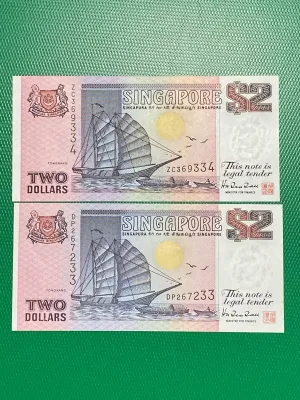
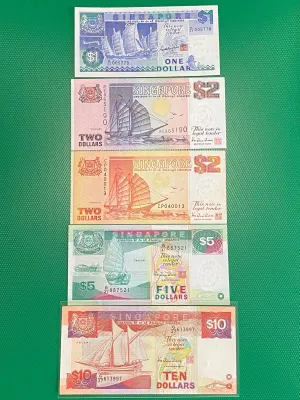
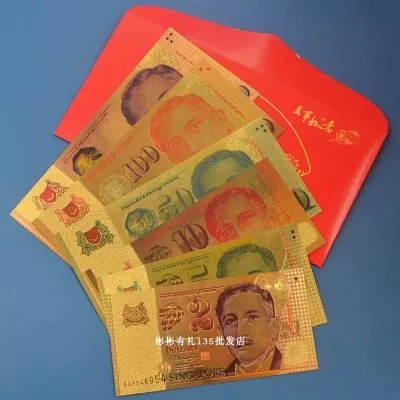
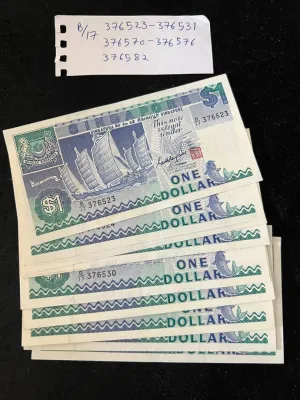
Prices are valid at publication and may change. Please refer to the product page for the latest price.
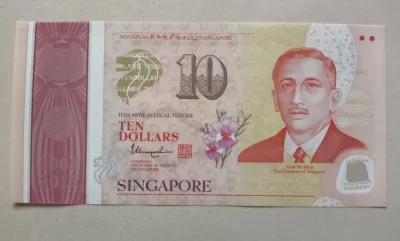
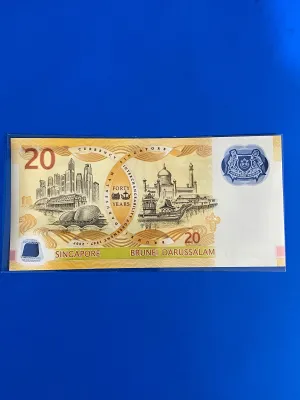
Commemorative banknotes are specifically issued by the Monetary Authority of Singapore (MAS) to mark major national milestones, historical anniversaries, or significant cultural events. Examples include the S$20 note issued to commemorate the Singapore Bicentennial, or the special S$50 and S$10 notes released for the nation’s golden jubilee. These notes feature unique, one-off designs that differ significantly from standard circulating currency, often incorporating intricate illustrations of historical figures, landmarks, and symbolic motifs that tell a story of national progress.
Uncirculated note sets represent another highly desirable category, particularly for those who appreciate pristine presentation. These sets consist of standard or commemorative banknotes that have never entered public circulation, meaning they remain in flawless, crisp condition. They are typically packaged by official distributors, such as the Singapore Mint, in specially designed presentation folders, acrylic stands, or decorative portfolios. This official packaging not only protects the notes but also provides historical context and artistic descriptions, making them ready-made gifts.
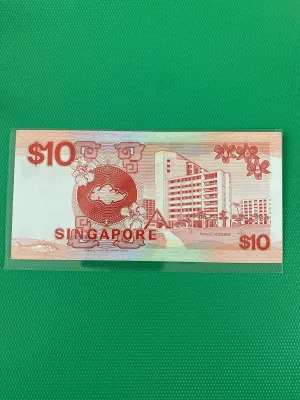
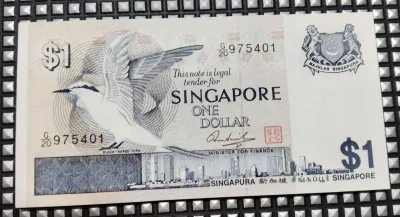
The material transition from paper to polymer has also influenced the collectible landscape in Singapore. While older banknote series—such as the Orchid, Bird, and Ship series—were printed on traditional paper, modern circulating denominations like the S$2, S$5, and S$10 notes are printed on polymer. Polymer notes offer superior durability, water resistance, and advanced security features, such as clear windows and metallic vapor deposition. However, older paper notes remain highly sought after by serious collectors due to their scarcity, classic tactile feel, and the nostalgia associated with discontinued designs.
Finally, the serial number printed on a banknote plays a critical role in driving its numismatic demand and collectible value. Notes with special serial numbers—such as exceptionally low numbers, solid repeating numbers, radar numbers that read the same forward and backward, or sequential runs—are highly prized. In Singapore, where certain numbers carry auspicious cultural meanings, banknotes featuring repeating sequences of the number eight are particularly popular as gifts for business openings, weddings, and Lunar New Year celebrations.
Matching Banknote Categories to Your Gifting Occasion
Selecting the perfect Singapore banknote as a gift requires balancing the recipient’s profile with the specific occasion you are celebrating. A casual visitor looking for a pocket-sized memento will have very different preferences compared to a dedicated coin and banknote collector.

For tourists and casual visitors, a single uncirculated polymer note or a widely available commemorative note, such as the S$20 Bicentennial note, makes an excellent souvenir. These notes are affordable, easy to transport, and visually captivating, featuring recognizable landmarks and cultural symbols that represent Singapore’s heritage. They serve as an elegant alternative to standard tourist trinkets, carrying actual monetary value alongside their historical narrative.
When gifting to serious numismatists or family members on major milestones, look for rare paper notes from older series or officially packaged uncirculated sets with low or unique serial numbers. Milestone events like weddings, graduations, or the birth of a child are ideal occasions for these premium items. For instance, a banknote set featuring a serial number that matches a wedding date or a birth year adds a deeply personal touch that standard gifts cannot replicate. For cultural celebrations like Lunar New Year, choosing notes with serial numbers rich in the number eight symbolizes prosperity and good fortune.
Understanding the relationship between a note’s face value and its collector premium is crucial when planning your budget. The face value is the legal tender amount printed on the note (such as S$2, S$10, or S$50), while the collector premium is the additional cost paid due to rarity, condition, and packaging. A standard uncirculated note in an official folder will carry a modest premium, making it an accessible gift. In contrast, older paper notes in pristine condition or rare commemorative sets can command premiums many times their face value, reflecting their scarcity in the secondary market.
Always evaluate the visual appeal and thematic relevance of the note’s design to ensure it resonates with the recipient. Singapore’s Portrait series, featuring the nation’s first president, Yusof bin Ishak, highlights themes of education, sports, law, and garden city aesthetics on the reverse sides. Matching these themes to the recipient’s life achievements—such as gifting a note featuring the education theme to a recent graduate—demonstrates thoughtfulness and attention to detail, transforming a piece of currency into a highly personalized keepsake.
Sourcing and Verifying Authentic Collectible Banknotes
As with any high-value collectible, ensuring the authenticity of Singapore banknotes is paramount to protecting your investment and ensuring your gift is genuine. Navigating the market requires knowing where to shop and how to verify the physical security features of the notes.
The safest way to acquire collectible banknotes is directly from official sources or authorized numismatic dealers. The Singapore Mint is the primary official distributor for many of the commemorative coins and banknote sets issued by the Monetary Authority of Singapore. For older, discontinued series or specific serial numbers, established local coin and banknote shops located in specialized retail centers are excellent options. These physical stores allow you to inspect the notes in person and benefit from the expertise of experienced dealers who stand behind the authenticity of their inventory.
If you choose to navigate general online marketplaces or local ecommerce platforms, caution is highly recommended. Look for sellers with long-standing positive feedback, verified track records, and clear return policies. Avoid listings with blurry photos, vague descriptions, or prices that seem too good to be true. When buying online, ask the seller for high-resolution images of both the front and back of the banknote, as well as close-ups of any security features or packaging details.
When verifying a collectible banknote, look for official certificates of authenticity and inspect the condition of the original packaging. Many commemorative sets are issued with numbered certificates that match the serial numbers on the notes or the packaging itself. Check for tamper-evident seals on acrylic holders or presentation folders. If a note is advertised as “uncirculated,” the paper should be perfectly crisp, flat, and free of any folds, creases, counting marks, or corner bends.
Familiarizing yourself with common red flags can help you identify altered, cleaned, or counterfeit notes. Be wary of notes that appear unusually white or stiff, as they may have been chemically cleaned or pressed to hide wear and tear—processes that significantly reduce their collectible value. For polymer notes, verify the transparency of the clear security windows and the integrity of the metallic print. For paper notes, check for the presence of a distinct watermark when held up to the light, as well as the tactile feel of the raised print on key design elements.
Preserving and Presenting Banknotes for Gifting
The physical condition of a banknote is the single most important factor determining its long-term collectible value. Proper preservation and thoughtful presentation ensure that your gift remains in pristine condition for years to come.
To prevent chemical degradation, always store collectible banknotes in archival-quality protective sleeves or rigid holders. Standard plastic sleeves often contain polyvinyl chloride (PVC), which releases harmful plasticizers over time, causing paper notes to turn yellow and polymer notes to become sticky or warped. Instead, opt for sleeves made from inert materials such as polyester, polypropylene, or polyethylene. For premium gifts, rigid acrylic holders or specialized grading capsules offer maximum protection against physical bending and environmental exposure.
Safe handling practices are essential whenever you need to move or inspect a banknote. Avoid touching the surface of the note with bare hands, as natural skin oils, sweat, and dirt can leave permanent stains or accelerate paper decay. Use clean, lint-free cotton gloves or specialized numismatic tweezers with rounded, non-scratch tips. Always handle the note by its edges, and never attempt to fold, flatten, or iron a note to remove creases, as this will permanently damage the fibers or polymer structure.
Singapore’s tropical climate presents unique challenges for banknote preservation due to high humidity and temperature. Excess moisture can lead to foxing—the development of brown, rusty spots on paper notes—as well as mold growth. To combat this, store your collection in a cool, dry place away from direct sunlight, which can fade the vibrant inks. Utilizing airtight storage containers with silica gel packets, or investing in an electronic dry cabinet, helps maintain a stable, low-humidity environment ideal for preserving both paper and polymer currencies.
When presenting the banknote as a gift, focus on elegant wrapping techniques that do not compromise the protective packaging. Never apply adhesive tape, glue, or stickers directly to the banknote’s protective sleeve or official folder, as removing them can tear the paper or leave unsightly residue. Instead, place the protected note or presentation folder inside a high-quality gift envelope, a decorative box, or a fabric pouch. This keeps the collectible secure while creating an exciting and sophisticated unwrapping experience for the recipient.
Frequently Asked Questions (FAQ)
Are older Singapore banknotes still legal tender?
Yes, all banknotes issued by the Monetary Authority of Singapore (and its predecessor, the Board of Commissioners of Currency, Singapore) since independence remain legal tender. This means older series, such as the Orchid, Bird, and Ship series, are technically still valid for making payments at their face value. However, because these older notes carry a significant collector premium on the secondary market due to their rarity and historical value, spending them at face value in a retail store is highly discouraged. If you wish to exchange older notes for modern currency, you can do so through official banking channels, though selling them to a reputable numismatic dealer will typically yield a much higher return than their face value.
How should I handle a banknote to avoid reducing its collectible value?
To maintain the maximum collectible value of a banknote, you must avoid bare-hand contact, folding, or using any form of adhesive. Always handle the note by its edges using clean cotton gloves or specialized numismatic tweezers. Never fold a note to fit it into a standard red packet or gift envelope, as creases permanently downgrade its condition rating. Additionally, keep all original packaging, presentation folders, and certificates of authenticity intact and undamaged. These official accessories provide proof of origin and condition, which are critical factors when collectors evaluate a note’s market value.

Community discussion
Share your experience or ask a question. Comments are reviewed before publication.