
Gifting old Singapore notes is a unique way to share a piece of the nation’s rich history, culture, and artistic heritage. Whether you are looking for a memorable souvenir for an international visitor or a nostalgic gift for a local history enthusiast, the key is to choose a note series that resonates with the recipient’s personal story. The most sought-after options belong to Singapore’s historical circulation series—specifically the Orchid, Bird, and Ship series—as well as various commemorative issues designed to mark major national milestones. By understanding the themes, historical context, and preservation needs of these notes, you can transform a simple piece of currency into a cherished, display-ready keepsake.
Unlike mass-produced souvenirs, retired banknotes carry a sense of authenticity and historical weight. Each series tells a story of economic survival, rapid modernization, and national identity. When you present someone with an old banknote, you are offering a tangible slice of the past that has survived decades of circulation and preservation. This guide will help you navigate the different historical series, evaluate their condition, and select the perfect note to match your recipient’s interests.
Why Old Singapore Notes Make Meaningful Gifts
Retired currency serves as a visual timeline of Singapore’s rapid development from a newly independent nation into a global financial hub. Following the dissolution of the currency union with Malaysia and Brunei, Singapore began issuing its own distinct banknotes. These early designs reflect the immediate priorities, values, and cultural symbols of a young nation finding its footing on the global stage. Gifting one of these notes is an invitation to explore the social and economic history of the era in which it was printed.
Products mentioned in this guide
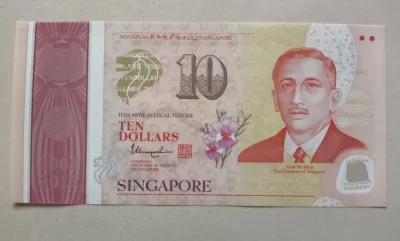
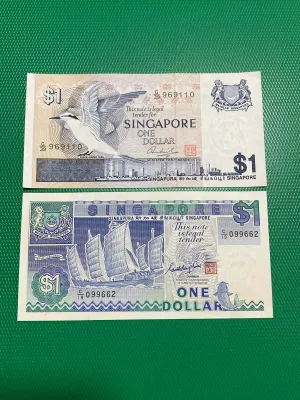
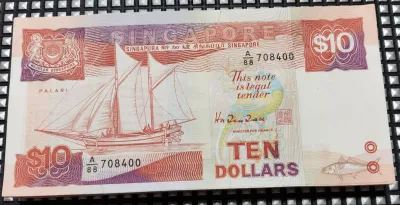
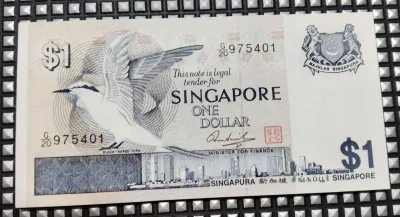
Prices are valid at publication and may change. Please refer to the product page for the latest price.
Beyond their historical value, old notes are celebrated for their exceptional visual artistry. Before the advent of modern polymer notes, currency was printed on high-quality paper using intricate steel-plate engraving techniques. The depth of detail, texture of the ink, and vibrant color palettes of these older series make them stand out as miniature works of art. The tactile feel of the engraved paper and the complexity of the security watermarks offer a sensory experience that modern digital transactions simply cannot replicate.
For recipients with a personal connection to Singapore, these notes evoke deep nostalgia. Older generations will immediately recognize the currency they used during their childhoods, sparking conversations and personal reminiscences. For younger recipients or international visitors, these notes serve as educational artifacts that offer a deeper, more nuanced understanding of the country’s heritage than standard tourist trinkets. It is a gift that retains its historical value and grows more meaningful over time.
The Orchid Series: Flora and Early National Identity
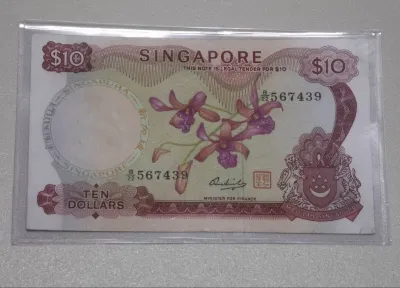
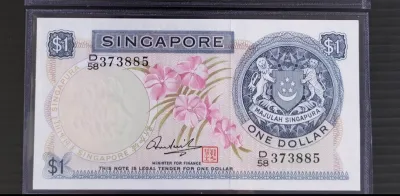
As the very first currency series issued by the Board of Commissioners of Currency, Singapore, from 1967 to 1976, the Orchid Series holds a legendary status among collectors. Each denomination in this series features a prominent spray of orchids on the front, symbolizing the unique natural beauty and resilience of the young nation. The choice of the orchid—a flower known for its adaptability and diverse varieties—perfectly mirrored Singapore’s multicultural society and its determination to thrive post-independence.

This series is the ideal gift for botany lovers, dedicated history buffs, and anyone who deeply appreciates Singapore’s early heritage. The lower denominations, such as the S$1, S$5, and S$10 notes, are particularly popular for gifting due to their classic designs and historical charm. The S$1 note, featuring the Vanda Janet Kaneali, is a classic entry-point collectible that represents the literal dawn of Singapore’s financial independence.
Because the Orchid Series is the oldest of Singapore’s independent currencies, finding notes in pristine condition can be a challenge. The paper used during this era is highly susceptible to environmental wear, including creasing, tearing, and “foxing”—the development of yellowish-brown spots caused by fungal growth in Singapore’s humid climate. When selecting an Orchid Series note as a gift, it is crucial to inspect the paper quality carefully, looking for crispness and vibrant colors, as heavily circulated notes may appear faded and fragile.
The Bird Series: Wildlife and Natural Heritage
Issued between 1976 and 1984, the Bird Series marked a thematic shift toward Singapore’s natural heritage and its aspirations for the future. Each note in this series depicts a bird species on the front, chosen for its strength, adaptability, and grace. This design choice coincided with a period of rapid industrialization, where the imagery of birds soaring high symbolized the nation’s economic progress and its desire to reach new heights on the international stage.
This series is highly recommended for birdwatchers, wildlife conservation supporters, and nature photographers. The notes feature beautifully detailed engravings of local and regional birds, such as the Black-naped Tern on the S$1 note, the White-collared Kingfisher on the S$5 note, and the majestic White-bellied Sea Eagle on the S$50 note. Matching the specific bird on the note to the recipient’s favorite local wildlife adds a highly personalized touch to the gift.
In addition to the wildlife themes, the reverse sides of the Bird Series notes showcase Singapore’s changing urban landscape, featuring early housing estates, port facilities, and national day parades. This dual focus on nature and urban development makes the series a fascinating study in contrasts. When purchasing, look for notes that have retained their original paper stiffness and show minimal ink rubbing, ensuring the intricate feather details of the engraved birds remain sharp and clear.
The Ship Series: Maritime History and Industrial Growth
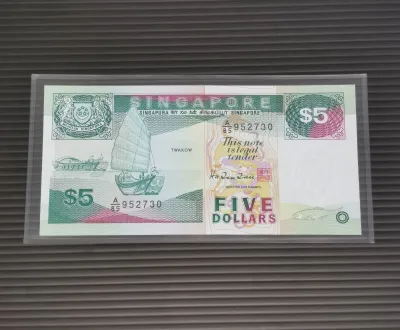
Introduced in 1984 and circulating until 1999, the Ship Series pays tribute to Singapore’s rich maritime history and its evolution into one of the busiest ports in the world. The designs on the front of these notes trace the history of shipping in Singapore, starting from traditional merchant vessels and progressing to massive modern container ships. This series beautifully documents the industrial grit and strategic planning that defined Singapore’s economic success in the late twentieth century.
This series makes an exceptional gift for maritime history enthusiasts, engineers, logistics professionals, or anyone working in the shipping and port industries. The S$1 note features a traditional Chinese junk (Sha Chuan), representing the early trade era, while the S$10 note depicts a modern container ship, symbolizing the nation’s transition into a global logistics powerhouse. The S$50 note, featuring a side-wheel paddle steamer alongside a modern regional map, is particularly prized for its detailed historical narrative.
From a design perspective, the Ship Series represents a peak in paper currency security and engraving technology before the widespread transition to polymer. The notes feature highly complex geometric lathe work, multi-toned watermarks, and security threads that are fascinating to examine under a magnifying glass. Because these notes circulated relatively recently compared to the Orchid Series, it is much easier to find them in excellent, crisp condition, making them highly reliable options for formal gifting.
Commemorative Issues: Celebrating National Milestones
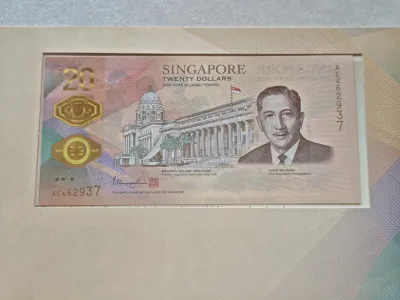
If you are looking for a note specifically designed for milestone gifting, commemorative issues are an excellent alternative to standard retired circulation notes. Unlike regular currency, commemorative notes are issued in limited quantities to celebrate major national anniversaries, historic events, or bilateral agreements. These notes are designed from the outset to be kept as souvenirs rather than spent, making them highly attractive to casual collectors and gift recipients alike.
Some of the most popular commemorative issues for gifting include the S$20 note issued to mark the Singapore Bicentennial, and the S$50 note issued to celebrate the 50th anniversary of Singapore’s independence. These notes often feature stunning, modern designs that blend historical imagery with cutting-edge security features, such as shimmering metallic patches and transparent windows. They serve as perfect gifts for national days, corporate milestones, or significant personal achievements like graduations and retirements.
One of the greatest advantages of choosing commemorative notes for gifts is their presentation. These issues are almost always sold in official presentation folders, decorative envelopes, or protective albums provided by the issuing authority. This official packaging not only protects the note from physical damage but also provides detailed historical context and design explanations. This makes the gift immediately display-ready and eliminates the need for you to source separate protective framing or mounting materials.
How to Evaluate Condition and Buy Safely
When purchasing old Singapore notes as gifts, understanding how to evaluate their physical condition is essential. In the world of paper collectibles, condition is the primary factor determining both aesthetic appeal and long-term value. Collectible notes are generally graded on a scale ranging from “Uncirculated” (pristine, crisp, and completely free of folds) to “Fine” or “Very Fine” (showing clear signs of handling, minor creasing, or slight discoloration). For gifting purposes, aiming for “Uncirculated” or “About Uncirculated” notes ensures your gift looks clean, professional, and visually striking.
To evaluate a note’s condition yourself, perform a few basic physical checks. Hold the note up to a bright light source to check for hidden pinholes, micro-tears along the edges, or heavy center folds that may have been flattened out. Feel the paper texture; uncirculated paper notes should feel crisp and firm, not limp, soft, or cloth-like. Be on the lookout for “foxing” or moisture stains, which can severely detract from the note’s visual appeal, especially on the lighter borders of the Orchid and Bird series.
To ensure authenticity and avoid purchasing altered or counterfeit notes, always buy from reputable numismatic dealers or established specialty shops. Physical coin and banknote dealers, often located in historic districts like Chinatown or specialized shopping arcades, allow you to inspect the notes in person under proper lighting. Avoid purchasing high-value notes from unverified online marketplace listings where you cannot verify the paper quality or authenticity beforehand. Reputable dealers will often provide protective sleeves and stand behind the authenticity of their inventory.
Matching the Note to the Recipient's Interests
To make your gift truly memorable, take the time to align the note’s visual theme with the recipient’s personal background or professional life. A retired sea captain or a logistics manager will deeply appreciate the industrial narrative of the Ship Series. A gardener, florist, or nature lover will find immense joy in the delicate botanical engravings of the Orchid Series. By connecting the imagery on the note to the recipient’s passions, you elevate the gesture from a simple historical curiosity to a deeply thoughtful, personalized tribute.
Consider the denomination of the note as well, balancing your budget with the visual impact you want to achieve. While lower denominations like S$1, S$2, and S$5 notes are highly accessible and make wonderful casual souvenirs, higher denominations like S$50 or S$100 notes often feature more complex, detailed engravings and larger physical dimensions. These larger notes make a grander statement and are highly suitable for major life events, corporate gifts, or formal presentations.
Finally, pay close attention to how you present the note. Because old paper currency is fragile and sensitive to environmental factors, never gift a note loose or in a standard paper envelope. Instead, place the note inside a protective, archival-grade Mylar sleeve. These sleeves are chemically inert, PVC-free, and prevent the paper from absorbing oils from hands or moisture from the air. For a truly premium presentation, you can place the sleeved note inside a dedicated currency album or mount it in a double-sided, UV-protective acrylic frame, allowing the recipient to admire both sides of the historical design without risking damage to the paper.
Frequently Asked Questions (FAQ)
Are retired Singapore notes still considered legal tender?
Yes, according to the Monetary Authority of Singapore, all currency notes issued by the authority and its predecessor, the Board of Commissioners of Currency, Singapore, remain legal tender. However, because these older series have been retired from active circulation, they are no longer accepted by automated payment machines, and standard retail merchants are not obliged to accept them for daily transactions. Their true value lies in their historical significance, artistic beauty, and collectible appeal on the secondary numismatic market, where they often command a premium far exceeding their printed face value.
What is the best way to store or display a gifted note?
To preserve the condition and value of a gifted note, store it in a cool, dry environment away from direct sunlight, which can cause the ink to fade over time. Always use acid-free, PVC-free protective sleeves made of materials like Mylar or archival-grade polypropylene, as standard plastic sleeves can release harmful chemicals that degrade paper and cause ink transfer. If you choose to display the note in a frame, opt for a double-sided, UV-resistant acrylic frame that protects the paper from harmful light rays while allowing both the front and back designs to be viewed without direct handling.

Community discussion
Share your experience or ask a question. Comments are reviewed before publication.