
In a fast-paced city-state like Singapore, where daily routines are often driven by efficiency and digital convenience, receiving a physical, handwritten encouragement card carries profound emotional weight. While an instant message or email can offer quick comfort, a tangible card represents a deliberate pause in someone’s day. It shows that the sender took the time to select a design, compose a thoughtful message, and physically deliver or mail a token of support. This physical presence transforms a simple message of encouragement into a lasting keepsake that the recipient can display on their desk or keep in a drawer to revisit during challenging times.
However, the impact of an encouragement card depends heavily on its execution. A card that feels flimsy, features generic or poorly printed designs, or carries a tone that mismatches the recipient’s situation can inadvertently dilute the sincerity of your gesture. Conversely, a high-quality card with a carefully matched message tone creates a powerful, comforting experience. To make the best choice, you must understand how to evaluate the physical craftsmanship of a card, align its message with the recipient’s emotional state, and navigate the various sourcing channels available in Singapore.
This guide is designed to help you navigate the process of selecting the perfect encouragement card. We will explore the key physical attributes that define a premium card, including paper weight, texture, print quality, and envelope construction. We will also discuss how to match the tone of the message to different relationships and situations, from comforting a grieving friend to motivating a colleague. Finally, we will cover where to source these cards in Singapore—both in physical boutiques and online—how to budget for your purchases, and how to explore DIY alternatives for a truly personalized touch.
Products mentioned in this guide


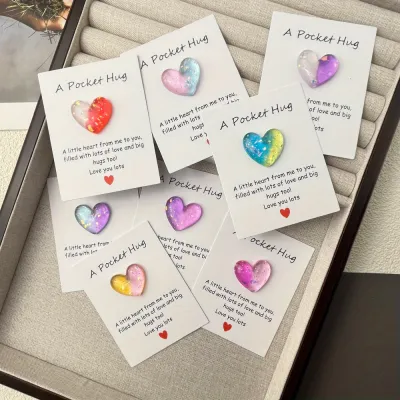
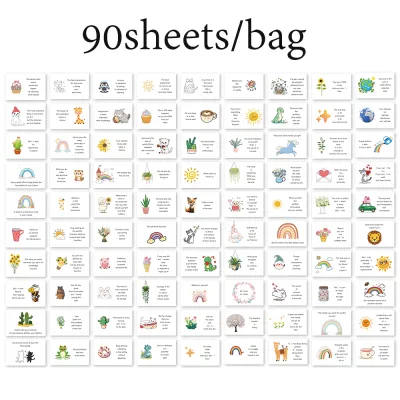
Prices are valid at publication and may change. Please refer to the product page for the latest price.
What Defines a High-Quality Encouragement Card
The tactile feel of a card is the very first impression your recipient receives, even before they read your words. High-quality encouragement cards are distinguished by their paper weight, which is measured in grams per square meter (gsm). Standard greeting cards should ideally range between 250 gsm and 350 gsm. Cardstock within this range feels substantial, rigid, and premium in the hand. Anything below 200 gsm tends to feel flimsy, resembling standard office paper, and is prone to creasing or bending easily.
Beyond weight, the texture and finish of the paper play a critical role in both the visual appeal and the writing experience. Matte and uncoated finishes are highly popular for encouragement cards because they offer a classic, elegant look and are exceptionally easy to write on. They absorb ink quickly, reducing the risk of smudging, which is particularly important if you prefer using fountain pens or gel pens. Textured papers, such as linen, felt, or cotton-blend cardstock, add a sophisticated tactile dimension that immediately signals high craftsmanship. While glossy finishes can make colorful illustrations pop, they are highly reflective, prone to fingerprint smudges, and require specialized quick-drying pens to prevent the ink from smearing.
Because smoothness, bleed resistance, drying speed, and water resistance depend entirely on the exact combination of your pen’s ink and the card’s paper fibers, it is highly recommended to perform a quick test. Before writing your final message, find a small, inconspicuous area on the inside fold or a scrap piece of the same cardstock to test your pen. Observe how quickly the ink dries to prevent smudging, and check the reverse side of the paper to ensure the ink does not bleed through or feather, which can ruin the card’s clean appearance.
Print clarity and color accuracy are equally vital indicators of a card’s quality. When examining a card, look closely at the sharpness of the text and the definition of the illustrations. High-quality cards feature crisp, clean lines with no signs of pixelation, color bleeding, or misalignment between different ink layers. The colors should be rich, consistent, and true to the designer’s intent, without any faded patches or streaks. Additionally, pay attention to the precision of the edge cutting. A premium card will have perfectly straight, clean edges and a crisp fold line, with no rough paper fibers or uneven borders that suggest rushed or low-grade manufacturing.
The envelope is often overlooked, but it is an essential component of the overall presentation and protection of your card. A high-quality card should always be accompanied by a matching envelope made from substantial paper, typically between 100 gsm and 120 gsm. The envelope should fit the card snugly without forcing it, yet leave enough room for easy removal. Look for envelopes with secure adhesive seals and elegant flap designs, such as a deep V-flap or a classic square flap. Some premium card brands include envelopes with inner linings—such as metallic foil or patterned paper—which add an extra layer of surprise and luxury when the recipient opens the envelope. The structural durability of both the card and the envelope ensures that your message of support arrives in pristine condition, even after passing through the postal system.
Matching Message Tone to the Recipient
Selecting the right message tone is crucial to ensuring your encouragement card resonates deeply with the recipient. When someone is going through a difficult period, such as grief, a serious illness, or a major life transition, a sincere and deeply empathetic tone is essential. In these sensitive situations, avoid overly cheerful, toxic positivity, or cliché phrases like “everything happens for a reason,” which can feel dismissive of their pain. Instead, look for cards with gentle, comforting messages that acknowledge their current struggles while offering quiet, unconditional support. The visual design of these cards should complement the tone, featuring soft, muted colors, minimalist illustrations, or elegant, understated typography that conveys a sense of calm and warmth.

For everyday stress, upcoming exams, or minor setbacks, a lighthearted and humorous tone can be incredibly effective. In Singapore’s high-pressure academic and professional environments, a witty card can break the tension and bring a much-needed smile to someone’s face. Look for cards that feature clever wordplay, relatable illustrations, or gentle, self-deprecating humor about daily struggles. However, it is important to ensure that the humor aligns with your relationship with the recipient. What is hilarious to a close friend might be misunderstood by an acquaintance or a senior colleague. The design for these cards is typically bright, playful, and dynamic, reflecting the cheerful and uplifting nature of the message.
When encouraging a colleague, employee, or someone celebrating a professional or academic milestone, a professional and motivating tone is the most appropriate choice. The message should focus on recognizing their hard work, celebrating their achievements, and inspiring confidence in their future endeavors. Look for cards that express genuine appreciation for their contributions or offer empowering words for their next career step. The design of professional encouragement cards should remain polished, sophisticated, and clean. Modern typography, geometric patterns, and professional color palettes—such as navy blue, forest green, or gold foil accents—ensure the card feels respectful and suitable for a workplace setting while still delivering a warm, encouraging message.
Where to Source Encouragement Card Brands in Singapore
Finding the right encouragement card in Singapore involves exploring a variety of retail channels, each offering distinct advantages. For those who value a tactile shopping experience, visiting physical stationery boutiques and lifestyle stores is highly recommended. These independent shops, often located in creative hubs like Tiong Bahru, Bras Basah, or specialty retail malls along Orchard Road, curate unique selections of cards from both local and international designers. Shopping in person allows you to physically feel the paper weight, inspect the print quality, and appreciate the true colors of the designs under natural light. It also provides an opportunity to discover niche, independent creators whose work is not widely distributed in mass-market stores.
If you prefer convenience and a broader selection, browsing official brand websites and local online marketplaces is an excellent alternative. Many independent card designers and local illustrators host their own online stores, where they showcase their complete collections, including exclusive seasonal designs, limited-edition prints, and customizable options. Purchasing directly from a brand’s website often ensures that a larger portion of your payment directly supports the artist. Additionally, local online marketplaces host a vibrant community of stationery creators, making it easy to compare different styles, read customer reviews, and find cards that cater to very specific niches or local cultural references.
When sourcing cards from general e-commerce platforms, it is important to exercise caution and verify the seller’s credibility to ensure you receive high-quality products. Start by checking the seller’s overall rating and reading customer reviews, paying close attention to any photos uploaded by previous buyers. These real-life images can give you a much better sense of the actual paper thickness, print clarity, and color accuracy than polished product renders. Always verify the shipping origin; choosing local fulfillment typically results in faster delivery times and reduces the risk of the cards being bent or damaged during long-distance transit. Finally, review the seller’s return and refund policies so you are protected in case the cards arrive damaged or do not match the description.
Navigating Price Ranges and Packaging Options
Understanding the pricing landscape of encouragement cards in Singapore helps you make informed purchasing decisions that balance quality with budget. Single premium cards from independent designers typically range from S$5 to S$12. This price reflects the high-quality materials, unique artistic designs, and specialized printing techniques like foil stamping, embossing, or letterpress. While buying single cards is ideal for specific, one-off occasions where you want to make a highly personalized gesture, the cost can add up quickly if you frequently send cards to friends, family, or colleagues.
To maximize your budget, consider purchasing boxed sets or multipacks. These sets usually contain anywhere from 5 to 10 cards, either featuring a single cohesive design or a curated variety of encouraging messages. Boxed sets offer excellent cost-effectiveness, often bringing the price per card down to around S$2 to S$4. This is a highly practical option for keeping a steady supply of high-quality cards on hand, ensuring you are always prepared to offer a timely word of encouragement without having to make a last-minute trip to the store.
When planning your budget, it is also important to identify potential add-on costs that can increase the overall expense. Specialty envelopes, custom wax seals, decorative stickers, and premium calligraphy pens for writing your message can add to the total cost of your gesture. If you are purchasing online, factor in shipping fees, especially if you require express delivery for an urgent occasion. For teachers, managers, or community leaders who need to distribute cards to large groups, bulk purchasing is the most economical strategy. Many local stationery suppliers and online creators offer wholesale pricing or bulk discounts when you purchase a minimum quantity, allowing you to support your community affordably.
Exploring DIY and Customizable Card Solutions
For those who want to deliver a highly personalized message, creating your own DIY encouragement cards is a rewarding alternative. The foundation of any great DIY card is the quality of the materials. Start by sourcing high-quality blank cards and heavy cardstock from local art and stationery supply stores in Singapore. Look for cardstock with a weight of at least 250 gsm to ensure a sturdy, professional-feeling base. If you plan to use wet mediums like watercolors, calligraphy inks, or heavy markers, select paper specifically designed for those mediums to prevent bleeding, warping, or feathering. Smooth cardstock is excellent for fine-liner pens and detailed drawings, while textured paper adds a beautiful, rustic charm to hand-lettered messages.
If you are not confident in your freehand drawing or lettering skills, you can easily achieve professional-looking results using stamps, stencils, and printable templates. High-quality rubber or photopolymer stamps paired with archival, quick-drying ink pads allow you to easily add beautiful illustrations, borders, or standard encouraging phrases to your cards. Stencils are excellent for achieving clean, consistent geometric shapes and lettering, while online printable templates offer a structured layout that you can customize and print directly onto your cardstock before adding hand-written details.
A hybrid approach combines the precision of digital design with the warmth of physical embellishments. You can design your card layout using graphic design software, print it on high-quality cardstock using a home printer or a local print shop, and then add hand-crafted touches. Consider adding physical elements like metallic foil accents, pressed flowers, ribbon ties, or hand-drawn highlights. When working on DIY cards, always practice safety: use a cutting mat and a sharp utility knife with a safety ruler for clean cuts, and work in a well-ventilated area when using strong adhesives or spray sealants, keeping these materials out of reach of young children.
Frequently Asked Questions (FAQ)
How far in advance should I order from independent card brands?
When ordering from independent card brands, it is best to plan ahead to ensure your cards arrive in time. For local Singapore-based brands, standard processing and shipping typically take 3 to 5 business days. However, during peak seasons like Christmas, New Year, or major school exam periods, high demand can extend delivery times to 7 to 10 business days. If you are ordering from international designers or overseas platforms, expect shipping to take anywhere from 2 to 4 weeks. Always check the estimated delivery window and opt for tracked shipping to monitor your package’s progress.
Are eco-friendly or recycled encouragement cards widely available?
Yes, eco-friendly and recycled encouragement cards are increasingly common and widely available in Singapore. Many independent brands and stationery boutiques prioritize sustainability by using recycled paper or paper sourced from responsibly managed forests, often indicated by the Forest Stewardship Council (FSC) certification logo. Additionally, look for cards printed with soy-based or vegetable-based inks, which are more environmentally friendly than traditional petroleum-based inks. Many brands also package their cards in biodegradable sleeves made from cornstarch rather than single-use plastics, allowing you to send a thoughtful message while minimizing your environmental footprint.

Community discussion
Share your experience or ask a question. Comments are reviewed before publication.