
When planning a sewing project, the buttons you choose are far more than simple fasteners—they are the defining structural and aesthetic details that can elevate or compromise your entire creation. The ideal button material depends entirely on your fabric’s weight, the garment’s intended use, and its care requirements. Selecting the wrong material can lead to sagging fabric, cracked fasteners, or ruined garments during washing. By understanding the distinct properties of plastic, metal, wood, and natural shell, you can make informed decisions that ensure your handmade pieces look professional and stand the test of time.
In Singapore’s warm and humid climate, where garments are laundered frequently, choosing the right button material is particularly critical. Sweat, humidity, and frequent machine washing can accelerate the wear of lower-quality fasteners. Buttons must serve as both functional closures and critical decorative elements that can elevate or detract from a garment’s design. Key decision-making factors include durability under physical stress, weight relative to the fabric, washability, and aesthetic compatibility. Evaluating these factors beforehand prevents structural failures, such as a heavy metal button tearing through a delicate silk blouse, or a wooden button warping after its first run through the washing machine.
Properties of Common Button Materials: Plastic, Metal, Wood, and Shell
Selecting the right buttons requires understanding the unique physical properties, advantages, and limitations of each material class. From highly durable synthetics to premium natural elements, each material behaves differently under tension, heat, and moisture.
Products mentioned in this guide
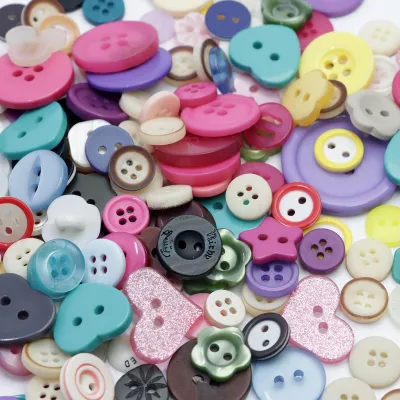
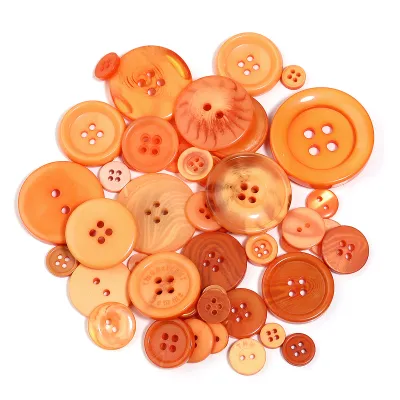
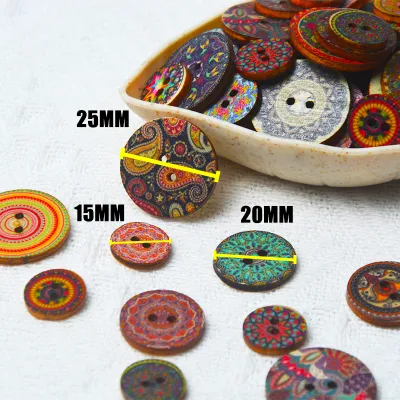
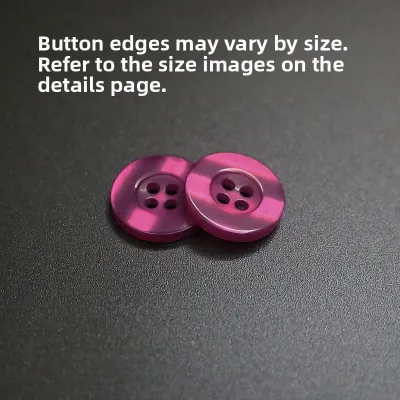
Prices are valid at publication and may change. Please refer to the product page for the latest price.
Plastic, Resin, and Acrylic Buttons
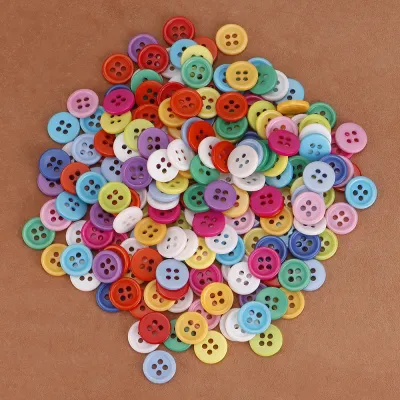
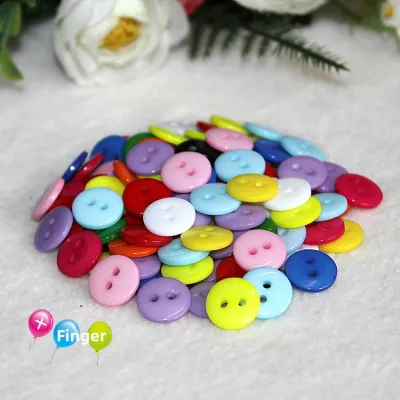
Plastic and synthetic resin buttons are the most versatile, accessible, and widely used options in modern sewing. Most commercial garments utilize polyester, urea, or acrylic because these materials can be molded or cut into virtually any shape, color, or size. High-quality polyester buttons can even be manufactured to mimic premium natural materials like horn, tortoiseshell, or mother-of-pearl, providing a sophisticated look at a fraction of the cost.
These synthetic options are incredibly lightweight, highly affordable, and resistant to common laundry detergents and moderate wear. They are easy to sew by hand or machine and do not add unnecessary weight to lightweight fabrics. However, cheap injection-molded plastic buttons have distinct limitations. They can crack under heavy mechanical stress, such as being stepped on or caught in a door, and they are highly susceptible to melting or deforming under the direct high heat of an iron. Additionally, lower-grade plastics can sometimes carry a cheap, shiny look that detracts from high-end or bespoke garments.
For everyday wear, children’s clothing, lightweight cotton shirts, and casual craft projects, plastic and resin buttons are highly practical. They withstand frequent machine washing cycles without losing color or structural integrity, making them the default choice for garments that require low-maintenance care.
Metal Buttons
Metal buttons offer unmatched durability, structural strength, and a classic, timeless aesthetic. Commonly crafted from brass, aluminum, stainless steel, or zinc alloys, these buttons are available in flat, multi-hole designs or as shank buttons, which feature a solid face and a small attachment loop on the back. They can be finished in a variety of styles, including polished gold, antique copper, gunmetal, or matte silver.
While metal fasteners are virtually indestructible under normal wear, their substantial weight is a primary limitation. If sewn onto lightweight or loosely woven fabrics, heavy metal buttons will drag the fabric downward, causing unsightly sagging, puckering, or even tearing at the buttonhole. Furthermore, lower-quality metal alloys that are not properly treated or plated can tarnish or rust when exposed to moisture and humidity. Heavy metal buttons can also clatter loudly in washing machine drums and potentially chip the finish of other garments or damage delicate fabrics during a spin cycle.
Metal buttons are ideal for heavy-duty garments and structured items. Denim jeans, heavy winter coats, utility jackets, uniforms, leather goods, and structured canvas bags are perfect candidates for metal hardware. The weight of these fabrics easily supports the button, while the rugged aesthetic of the metal complements the durable nature of the material.
Wood and Natural Plant Buttons
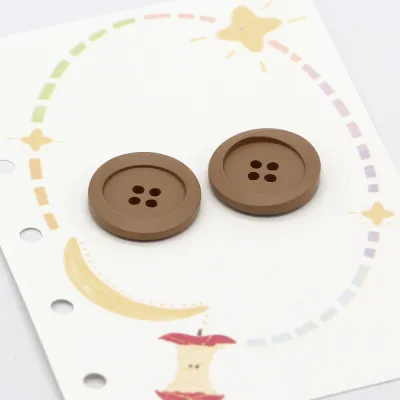
For an eco-friendly, rustic, or bohemian aesthetic, wood and natural plant-based buttons are exceptional choices. Commonly made from olive wood, bamboo, coconut shells, or corozo (also known as tagua nut), these buttons feature unique grain patterns, subtle color variations, and a warm, organic feel. Corozo, in particular, is highly prized in tailoring as a durable, natural alternative to plastic, offering a smooth finish that takes dye beautifully.
Despite their visual appeal, natural wood and plant-based buttons require careful consideration regarding care and maintenance. Wood is highly porous and susceptible to water damage. If subjected to frequent machine washing, prolonged soaking, or high-heat drying, untreated or poorly sealed wooden buttons can swell, warp, splinter, or crack. Over time, the natural oils in the wood can also dry out, leading to a dull, weathered appearance. Some dyed wooden buttons may also bleed color onto light fabrics when wet.
These buttons are best suited for garments that do not require frequent, harsh washing. Knitwear, hand-knitted cardigans, linen summer shirts, baby clothes made from natural fibers, and eco-conscious sewing projects are ideal applications. To preserve their appearance, garments with wooden buttons should ideally be hand-washed or dry-cleaned, and the buttons can occasionally be treated with a food-safe mineral oil to maintain their luster.
Shell, Horn, and Bone Buttons
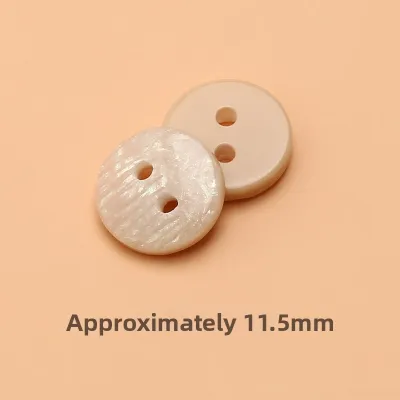
Shell, horn, and bone represent the pinnacle of premium, natural button materials, traditionally favored in high-end tailoring and luxury fashion. Mother-of-pearl (MOP) buttons, harvested from the inner lining of oyster shells, are famous for their iridescent luster, cool touch, and elegant variations in color. Real animal horn, typically sourced from buffalo or oxen, offers a dense, heavy feel with beautiful, non-repeating mottled patterns in shades of brown, black, and cream. Bone buttons provide a smooth, matte, ivory-like finish that is incredibly durable.
While these materials lend an unmistakable air of quality and craftsmanship to a garment, they come with a higher price tag and specific structural vulnerabilities. Shell buttons are relatively brittle; they can easily chip or crack if dropped on hard surfaces, subjected to high-impact laundry cycles, or pressed too hard with an iron. Horn and bone, while much tougher than shell, can still degrade or lose their polished finish if exposed to harsh chemical detergents or prolonged moisture.
These premium materials are reserved for high-end dress shirts, tailored business suits, silk blouses, heirloom garments, and bespoke outerwear. They require gentle handling, such as delicate machine cycles inside a protective wash bag, or professional dry cleaning, to ensure they retain their natural beauty and structural integrity over decades of wear.
How to Match Button Materials to Your Fabric and Project
Achieving a professional finish on your sewing project requires a thoughtful pairing of your button material with the physical characteristics of your fabric. Balancing weight, construction, and style ensures the garment hangs correctly and functions comfortably.

Weight and Drape Matching
To prevent fabric damage and ensure a clean drape, always match the weight of your buttons to the weight of your fabric.
- Lightweight Fabrics: Silk, chiffon, cotton voile, rayon, and lightweight linen require light buttons. Thin polyester, delicate mother-of-pearl, or small acrylic buttons are ideal. A heavy button on these fabrics will pull the fabric down, distorting the front placket or neckline.
- Medium-Weight Fabrics: Quilting cotton, flannel, chambray, and lightweight wool can support a wider variety of buttons, including standard resin, light metals, corozo, and medium-sized wooden buttons.
- Heavyweight Fabrics: Denim, wool coating, canvas, and heavy corduroy demand substantial buttons like thick metal, heavy horn, or large wooden discs. Lightweight plastic buttons on these fabrics will look disproportionate and may snap under the tension required to hold heavy layers together.
Regardless of the fabric weight, reinforcing the button area with a strip of fusible or sew-in interfacing inside the placket or waistband is highly recommended. Interfacing stabilizes the fabric, distributing the mechanical stress of opening and closing the button across a wider area and preventing the fabric from tearing.
Garment Type and Construction
The construction of your garment determines whether you should use flat buttons or shank buttons. Flat buttons, which feature two or four sewing holes through the face, lie flush against the fabric. They are low-profile and highly functional for shirt plackets, pajama sets, and trouser fly closures where a smooth, flat finish is required.
Shank buttons, on the other hand, do not have holes on the face. Instead, they feature a small loop protruding from the back. This design is essential for thick fabrics, such as wool coats, heavy jackets, and chunky hand-knits. The shank creates a built-in space (or “stand”) beneath the button, allowing the thick buttonhole layer of the closed garment to sit comfortably under the button without bunching, puckering, or pulling the fabric tight. If you must use a flat button on a thick fabric, you can manually create a “thread shank” during the sewing process by wrapping your sewing thread tightly around the stitches beneath the button before securing the knot.
Aesthetic Alignment
Buttons are the visual punctuation marks of a garment. Choosing a material that aligns with the style of your project creates a cohesive, intentional design:
- Classic Tailoring: Opt for genuine horn, corozo, or high-grade imitation horn for blazers and suits. High-end dress shirts are best paired with mother-of-pearl.
- Casual & Rustic: Choose coconut shell, olive wood, or matte corozo buttons for casual linen shirts, knit cardigans, and relaxed weekend wear.
- Rugged & Utilitarian: Use antique brass, copper, or gunmetal buttons for denim jackets, utility vests, and canvas workwear.
- Playful & Modern: Brightly colored resin, acrylic, or novelty-shaped plastic buttons are perfect for children's clothing, creative blouses, and statement pieces.
Washing, Ironing, and Care Guidelines by Material
How you care for your finished garments directly impacts the lifespan of both the fabric and the buttons. Implementing specific laundering and pressing techniques will prevent premature damage.
Washing Precautions
To protect both your buttons and your washing machine, always button up garments and turn them inside out before laundering. This simple step keeps the buttons shielded inside the fabric fold, reducing the risk of them striking the metal washing machine drum or catching on other clothes.
For delicate shell, bone, or heavy metal buttons, place the garment inside a zippered mesh laundry bag. This provides an extra layer of cushioning, preventing shell buttons from chipping and metal buttons from scratching the drum. Untreated wood, bamboo, or highly delicate vintage buttons should not be machine-washed at all; instead, hand-wash the garment gently in cool water with a mild detergent, ensuring the buttons are dried immediately afterward with a soft towel.
Ironing Safety
Ironing requires extreme caution around buttons, as high temperatures can easily ruin synthetic and metallic fasteners. Plastic, resin, and acrylic buttons will melt or warp if they come into direct contact with a hot iron. Metal buttons do not melt, but they conduct heat rapidly and can scorch or burn the surrounding fabric if the iron rests on them.
To iron safely, always use a pressing cloth over the button area, or iron the garment from the reverse side. Avoid running the soleplate of the iron directly over the buttons; instead, use the tip of the iron to carefully press the fabric around and between each button. For highly delicate natural materials like mother-of-pearl, keeping the iron at a lower temperature or using steam from a slight distance is the safest approach.
Storage and Maintenance
When storing garments, hanging them properly prevents unnecessary stress on the button threads. Avoid hanging heavy coats by their buttoned fronts, as the weight of the fabric can stretch the buttonholes and loosen the sewing thread over time.
Periodically check the thread tension of your buttons, especially on frequently worn coats and trousers. If you notice a button starting to wobble or hang loose, re-secure it immediately with heavy-duty thread or buttonhole twist thread to prevent losing it. Additionally, keep garments stored in a dry, well-ventilated closet. In high-humidity environments, excess moisture trapped in dark, unventilated spaces can cause wooden buttons to mold or low-quality metal buttons to develop rust, which can permanently stain the surrounding fabric.
Frequently Asked Questions (FAQ)
Can I dye plastic or resin buttons to match my fabric?
Standard household fabric dyes designed for natural fibers like cotton or wool will not bond to most synthetic plastic or resin buttons, such as those made from polyester or acrylic. To successfully dye synthetic buttons, you must use specialized disperse dyes formulated specifically for polyester and nylon, heating the dye bath to a precise temperature. Alternatively, for decorative or low-wear projects, you can paint the buttons with acrylic paint and seal them with a clear, water-resistant varnish, though this method will not withstand frequent machine washing as well as factory-colored buttons.
How do I prevent metal buttons from tarnishing or rusting?
To prevent metal buttons from oxidizing, always ensure your garments are dried thoroughly after washing and never leave them damp in a washing machine or laundry basket. Avoid using harsh bleach-based detergents or chemical spot removers, which can strip away the protective plating on metal hardware. For non-stainless metals or vintage brass buttons that are highly prone to tarnishing, you can apply a thin, even coat of clear metal sealant or clear nail polish to the front, back, and shank of the button. This creates an invisible barrier that protects the metal from moisture, humidity, and acidic skin oils.
What is the difference between 2-hole and 4-hole flat buttons?
The primary difference lies in strength, weight distribution, and visual style. A 4-hole button allows you to pass the sewing thread through the button in a cross (X) or parallel (=) pattern, distributing the mechanical stress across four points on the fabric. This makes 4-hole buttons significantly more secure and durable, making them the preferred choice for heavy-use areas like trouser waistbands, heavy shirts, and outerwear. A 2-hole button is faster to sew and offers a cleaner, more minimalist appearance, making it ideal for lightweight blouses, delicate shirts, or purely decorative applications where the button will not experience high tension.
Community discussion
Share your experience or ask a question. Comments are reviewed before publication.