
A beautiful floral greeting card does more than carry a message; it serves as a tactile keepsake that conveys emotion through color, texture, and design. In Singapore, where giving cards remains a cherished tradition for weddings, birthdays, and corporate milestones, the demand for elegant blossom and botanical motifs is consistently high. However, finding the perfect card involves looking beyond the surface illustration.
To select a card that truly resonates, you must evaluate physical characteristics such as paper weight, printing techniques, and design execution. Choosing the right brand requires balancing artistic uniqueness with practical availability.
This guide explores how to assess the quality of floral greeting cards, compares the offerings of independent local boutiques with global stationery brands, matches specific floral themes to various occasions, and outlines where to shop or how to create your own custom DIY blossom cards.
Products mentioned in this guide

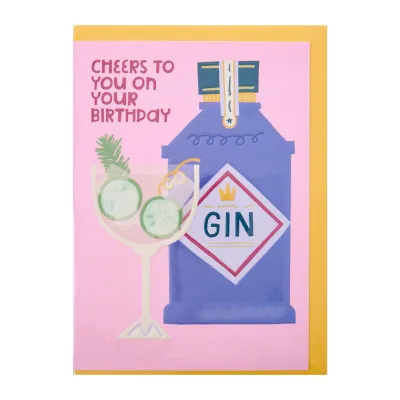
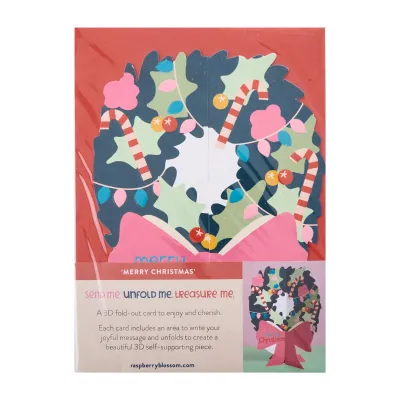
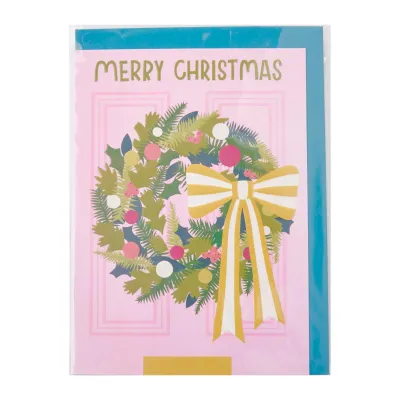
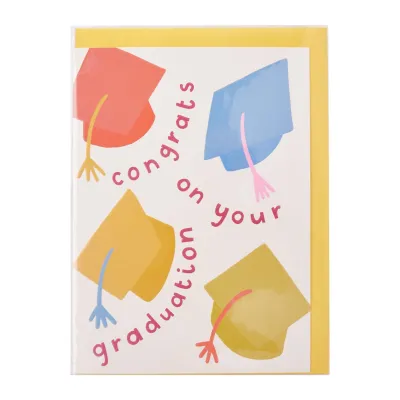
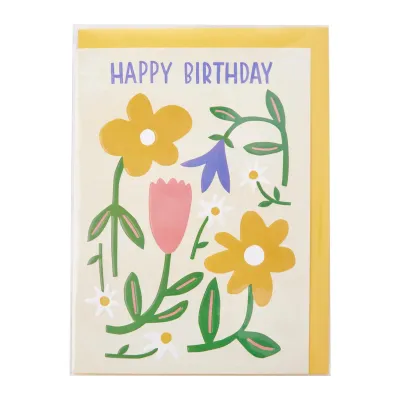
Prices are valid at publication and may change. Please refer to the product page for the latest price.
Evaluating the Quality of Blossom and Floral Cards
To appreciate the artistry of a floral card, you must first understand the physical medium. The tactile experience of holding a card sets the tone before the recipient even reads your message.
Paper Stock and Weight: The foundation of any premium card is its paper stock. High-quality cards typically use cardstock ranging from 250 to 350 GSM (grams per square meter). When evaluating paper, feel for stiffness and texture. A heavier weight prevents the card from bowing when displayed on a shelf or desk. Texture also plays a critical role; textured papers like cotton rag, linen, or felt-finish cardstock add a premium, organic feel that complements botanical illustrations. Additionally, check how the paper handles ink. Uncoated, high-GSM papers absorb ink well, preventing smudges, whereas highly coated or glossy papers require specific fast-drying pens to avoid smearing.
Printing Techniques: The method used to transfer a floral design onto paper dramatically affects its visual depth. Standard digital printing is excellent for reproducing complex, multi-colored watercolor illustrations with smooth gradients. However, specialty techniques elevate a card’s tactile appeal. Foil stamping adds metallic accents—often in gold, rose gold, or copper—to highlight the delicate veins of leaves or the shimmering edges of cherry blossoms. Letterpress printing presses the design deep into thick cotton paper, creating a debossed texture you can feel. Embossing raises the floral pattern above the paper surface, giving a three-dimensional effect that catches the light beautifully.
Design Aesthetics: A well-designed floral card balances color accuracy, illustration style, and layout. Botanical illustrations should feature clean lines and harmonious color palettes. For watercolor designs, look for soft transitions and realistic shading that mimic natural petals. Minimalist designs rely on precise line art and generous negative space to create an elegant, modern look. Ensure the layout leaves adequate room for the illustration without crowding the card’s edges, and verify that the interior layout provides a clean, unobstructed writing surface.
Envelope Quality: The envelope is the first thing the recipient touches, making its quality just as important as the card itself. A premium envelope should have a paper weight of at least 120 GSM to ensure it does not tear during transit. Check the gum seal reliability; it should activate easily with moisture or feature a convenient peel-and-seal adhesive strip. Some high-end cards include envelopes lined with contrasting colors, metallic foil, or coordinating floral patterns, which adds an extra layer of sophistication when opened.
Types of Brands Offering Floral and Blossom Designs
When searching for the perfect blossom design, you will generally choose between two distinct categories of stationery brands. Each category offers unique advantages depending on your budget, timeline, and aesthetic preferences.

Understanding the trade-offs between unique artisanal pieces and mass-produced reliable options allows you to make an informed decision based on the specific requirements of your occasion.
Independent Local Artists and Boutiques
Local independent creators in Singapore bring a distinct, personal touch to botanical stationery. These artists often draw inspiration from regional flora, creating hand-painted watercolor designs or intricate digital illustrations that you will not find in mainstream stores.
Characteristics: These cards are typically printed in limited runs on carefully selected specialty papers, such as recycled cardstock or textured cotton. The artwork is highly original, often reflecting the artist’s personal style, whether it is whimsical, botanical, or abstract.
Best For: These cards are ideal for highly personalized gifts, milestone celebrations, or when you want to support local creative communities. They are also excellent for finding culturally relevant designs that incorporate local blooms like orchids or tropical foliage.
Limitations: Because of the small-batch production, these cards carry higher price points, often ranging from S$6 to S$12 per card. Stock availability can be limited, and if you require custom designs or bulk quantities for an event, you must plan for longer lead times to accommodate printing and assembly.
Established Global Stationery Brands
For those who value consistency, convenience, and classic designs, established international stationery brands offer a reliable alternative. These brands distribute their products globally and are easily found in major retail outlets.
Characteristics: Global brands utilize high-volume, state-of-the-art printing facilities, ensuring absolute consistency in color, paper weight, and finish across thousands of copies. They offer extensive seasonal collections, updating their floral designs to match spring blossoms, autumn leaves, or winter foliage.
Best For: These brands are perfect for bulk purchasing, such as sending holiday greetings to a large mailing list, or for last-minute shopping when you need a high-quality card immediately. Their standard dimensions ensure they fit perfectly into standard postal envelopes, minimizing mailing costs.
Limitations: The primary trade-off is uniqueness. Because these designs are mass-produced and widely distributed, they can feel more generic. You run the risk of sending a card that the recipient has already seen or received from someone else, which may lessen the personal impact of your message.
Selecting the Right Floral Theme for Your Occasion
Different flowers carry distinct symbolic meanings and visual weights. Matching the floral theme to the specific tone of your event ensures your card is appropriate and meaningful.
Weddings and Anniversaries: For romantic milestones, opt for elegant, soft-toned blossoms that evoke love, purity, and new beginnings. Peonies, cherry blossoms, and classic roses in pastel shades like blush pink, cream, and soft lavender are ideal choices. To elevate the sense of occasion, look for cards that incorporate premium finishes such as gold foil stamping along the petal edges or delicate letterpress textures. These details reflect the significance of the milestone and make the card feel like a keepsake.
Birthdays and Celebrations: Joyous occasions call for vibrant, bold, and energetic floral patterns. Look for lively botanical illustrations featuring sunflowers, daisies, or tropical blooms like hibiscus and bougainvillea. Playful watercolor washes, bright color palettes, and modern, stylized floral patterns work exceptionally well here. These designs convey warmth, happiness, and enthusiasm, setting a festive tone for the recipient’s special day.
Sympathy and Condolences: When expressing condolences, the floral design should be quiet, respectful, and comforting. Muted color palettes, soft grays, pale blues, and gentle whites are appropriate. Traditional sympathy flowers include white lilies, white roses, or simple, minimalist botanical line art. Avoid bright colors, metallic foils, or busy patterns. Instead, choose cards with ample negative space and understated designs that allow your words of comfort to remain the central focus.
Professional and Corporate: Corporate greeting cards require a balance of warmth and professionalism. Clean, modern floral accents, subtle watercolor washes, or geometric botanical frames are excellent choices. Stick to sophisticated, neutral color schemes such as navy, forest green, or slate gray paired with understated gold or silver accents. Avoid overly romantic flowers like red roses; instead, opt for structured foliage, eucalyptus leaves, or abstract floral patterns that maintain a formal yet appreciative tone.
Where to Shop for Floral Greeting Cards in Singapore
Finding the right card involves knowing where to look. Singapore offers a variety of shopping channels, each catering to different preferences and shopping styles.
Physical Stationery Boutiques and Bookstores: Visiting a physical store is the best way to evaluate the tactile quality of a card. High-end bookstores, lifestyle boutiques, and specialty stationery shops in central shopping districts allow you to feel the paper weight, inspect the texture, and verify the print quality in person. You can check if the cardstock is sturdy enough to stand upright and ensure the envelope is of matching quality.
Local Craft Markets and Pop-Up Events: For truly unique, artist-designed blossom cards, explore local craft markets, weekend makers’ markets, and creative pop-up events. These venues provide an opportunity to meet independent local illustrators, learn about their creative process, and purchase exclusive designs that are not sold in mainstream retail stores. It is also an excellent way to discover limited-edition prints and hand-finished cards.
Online Marketplaces and Brand Websites: If convenience is your priority, online platforms offer an unparalleled selection. When shopping online, pay close attention to the product descriptions. Verify the paper specifications, looking for terms like “300 GSM cardstock” or “acid-free paper.” Read customer reviews and look at uploaded photos to check for color accuracy and real-world appearance. Always verify shipping times, return policies, and whether the envelope is included in the purchase price to avoid unexpected surprises.
Creating Custom Blossom Cards: DIY Solutions
If you cannot find the exact design you want, or if you wish to add a deeply personal touch to your message, creating your own custom blossom card is a rewarding alternative.
Using High-Quality Blank Cards: Every great DIY card begins with a solid foundation. Purchase pre-cut, pre-folded blank cardstock and matching envelopes from a reputable stationery supplier. Look for acid-free, heavyweight cardstock (at least 300 GSM) to ensure your card does not warp when you apply ink, glue, or paint. Textured cardstock, such as cold-press watercolor paper, provides an excellent surface for hand-painted designs.
Incorporating Pressed Flowers: Using real pressed flowers is a beautiful way to bring natural blossoms onto your card. Collect small, flat flowers and leaves from your garden or local florist. Place them between sheets of parchment paper inside a heavy book for one to two weeks until they are completely dry and flat. To adhere them to your card cover, use a small brush to apply a thin layer of acid-free PVA glue or decoupage medium to the back of the flower. Gently press it onto the cardstock and let it dry completely. Apply a light protective topcoat if desired to prevent the petals from flaking.
Stamping and Stenciling: For consistent, professional-looking patterns, utilize clear acrylic stamps and stencils. Floral clear stamps allow you to see exactly where you are placing the design on the card. Pair them with high-quality archival ink pads, which are water-resistant and fade-resistant. You can layer different flower and leaf stamps to create a custom bouquet, or use stencils with blending brushes and dye inks to create soft, airbrushed floral backgrounds.
Digital Printing at Home: If you prefer digital design, you can source high-resolution, royalty-free floral vectors or digitize your own watercolor paintings. Use a graphic design program to arrange the layout, ensuring the design fits the dimensions of your folded cardstock. Before printing, verify that your home printer is compatible with heavy cardstock; many inkjet printers have a rear-feed slot designed specifically for thick paper to prevent jams. Run a test print on standard paper first to check the alignment and color accuracy before printing on your premium cardstock.
Frequently Asked Questions (FAQ)
What paper weight is best for floral greeting cards?
For a premium, durable greeting card, look for paper weights between 250 and 350 GSM (grams per square meter). Paper within this range feels substantial, stands upright without bending, and resists tearing. If you plan to write with fountain pens, heavy gel pens, or light watercolor washes, a higher GSM (300+ GSM) is essential to prevent ink from bleeding through to the other side or causing the paper to warp. Always check the product packaging or online specifications for the GSM rating to ensure you are getting a high-quality product.
How can I prevent ink from smudging on glossy floral cards?
Glossy or heavily coated floral cards have a non-porous surface that prevents standard water-based inks from absorbing quickly, leading to smudges. To prevent this, use quick-drying writing instruments such as permanent fine-tip markers, oil-based ballpoint pens, or specialized quick-dry gel pens. Avoid fountain pens or slow-drying liquid ink rollers on glossy surfaces. Alternatively, if the interior of the card is fully coated, you can write your message on a separate piece of textured paper or vellum and insert it neatly inside the card.

Community discussion
Share your experience or ask a question. Comments are reviewed before publication.