
Selecting the right squishy toys and stickers for primary school students requires balancing developmental benefits, safety, and school rules. For younger children in Primary 1 and 2, these items serve as tactile sensory tools and simple motivational rewards. As students progress to middle primary (Primary 3 and 4), stickers and squishies become social currency for peer bonding and creative self-expression. By upper primary (Primary 5 and 6), these items transition into functional study aids, helping students manage academic stress and organize their schedules.
Understanding these shifting needs allows parents to choose items that support learning rather than causing classroom distractions. A thoughtful selection ensures that these popular stationery accessories remain safe, age-appropriate, and aligned with school expectations.
Core Safety and School Compliance Checks
Before purchasing any novelty stationery or sensory toys, establishing clear safety and institutional boundaries is essential. Many squishy toys are designed to look like food or small animals, which can pose a significant choking hazard for younger children. Always check the manufacturer’s age-grading labels on the packaging, particularly if there are toddlers or younger siblings in your household who might access these items.
Products mentioned in this guide
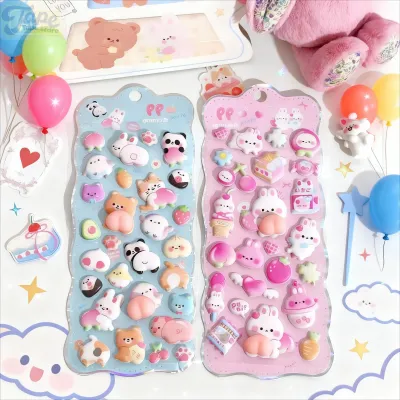
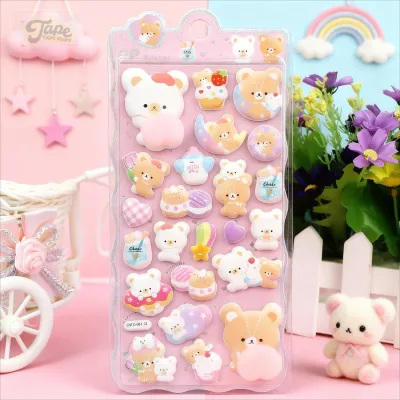
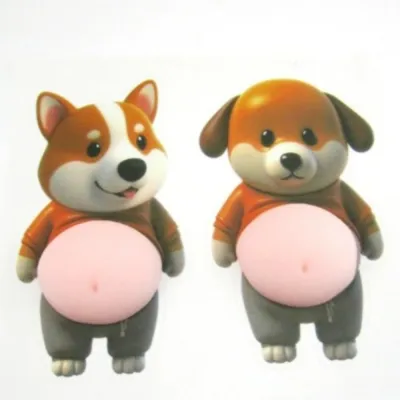
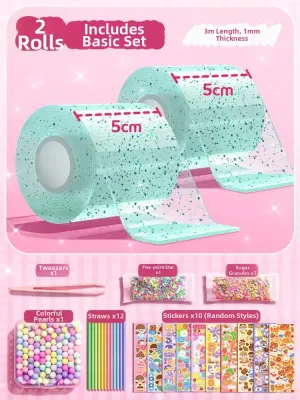
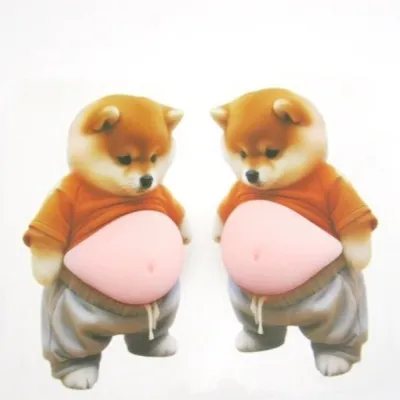
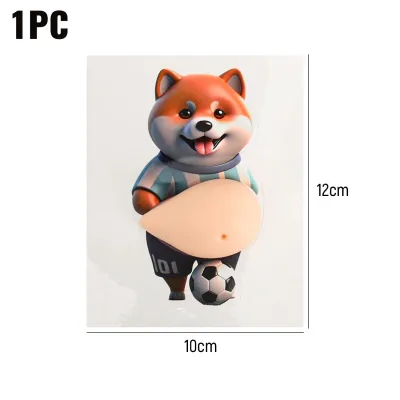
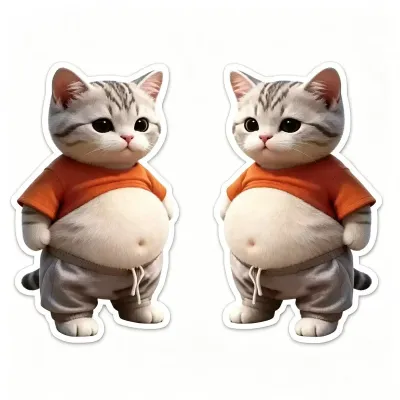
Prices are valid at publication and may change. Please refer to the product page for the latest price.
Material safety is another critical factor when selecting items that children handle for extended periods. Look for non-toxic indications and clear material listings printed directly on the product packaging. Avoid products that emit strong, sweet, or chemical odors, as these scents can sometimes indicate the presence of unregulated solvents or artificial fragrances that may trigger sensitivities.
Finally, review your child’s school handbook or specific classroom guidelines regarding personal toys and decorative stationery. Many schools maintain strict policies against bringing non-academic items to class to prevent distractions during lessons. Understanding where and when stickers can be applied—such as on personal notebooks rather than school property—prevents unnecessary disciplinary issues.
Lower Primary (P1-P2): Sensory Exploration and Basic Rewards
For students in Primary 1 and Primary 2, squishy toys and stickers are highly effective tools for sensory exploration and fine motor development. Children at this stage are still refining their grip strength and hand-eye coordination. Squeezing soft toys helps build the intrinsic hand muscles necessary for learning how to hold a pencil correctly during writing exercises.

When selecting squishies for lower primary students, prioritize slow-rise polyurethane foam or soft silicone options that are easy to squeeze. Choose designs that are visually simple and structurally robust, without small protruding parts that can easily be torn off. These durable, single-piece designs withstand the enthusiastic, repetitive squeezing typical of younger children.
Stickers for this age group should focus on ease of use and positive reinforcement. Large, easy-to-peel vinyl or puffy stickers are ideal for basic reward charts, personalized name labels, and simple craft activities. Puffy stickers, in particular, offer a raised texture that is easy for small fingers to grasp and peel independently, boosting confidence and fine motor control.
At this developmental stage, it is best to avoid items with complex mechanical parts, liquid-filled chambers, or detachable accessories. Liquid-filled squishies run the risk of puncturing under high pressure, while small detachable parts present immediate safety hazards. Keeping choices simple, clean, and robust ensures a safe and positive experience for early primary learners.
Middle Primary (P3-P4): Creative Hobbies and Peer Sharing
As students enter Primary 3 and Primary 4, their social circles expand, and peer interactions become a central part of their school experience. At this stage, squishy toys and stickers transition from simple sensory tools into social currency and creative hobbies. Children enjoy collecting, trading, and comparing their favorite designs, which helps them build sharing skills and common interests with classmates.
To match this growing interest in personalization, look for detailed themed squishies that serve a dual purpose. Many manufacturers offer functional stationery items, such as pencil cases with integrated squishy panels or decorative desk companions that hold paperclips. These items allow students to enjoy their favorite tactile toys while keeping their study desks organized and functional.
Stickers also take on a more creative role in middle primary, shifting toward journaling, diary decoration, and interactive sticker books. Sticker sheets featuring diverse themes, scrapbooking elements, or customizable labels allow students to personalize their personal diaries and art portfolios. Peer trading of individual sticker sheets is common, making variety packs an excellent option for encouraging social play.
While trend-driven designs are highly appealing to middle primary students, balancing these trends with practical durability is key. Items carried to school must withstand daily transport inside crowded school bags and pencil cases. Opt for high-density foam squishies and scratch-resistant vinyl stickers that maintain their appearance even after weeks of handling and friction.
Upper Primary (P5-P6): Stress Management and Functional Organization
By the time students reach Primary 5 and Primary 6, their academic workload increases significantly as they prepare for major examinations. At this stage, squishy toys and stickers serve less as playthings and more as practical tools for stress management and functional organization. Discreet tactile items can help students maintain focus and relieve tension during long study sessions at home.
For upper primary students, functional squishies are highly beneficial. Consider squishy pencil grips that slide onto standard pens to reduce finger fatigue during extended writing tasks, or notebooks with textured, compressible covers. These items provide the necessary sensory feedback to aid concentration without creating visual or auditory distractions in a quiet study environment.
Stickers for older students shift toward a minimalist, aesthetic, and highly organized style. Planner-friendly stickers, color-coded dots, and functional index tabs are excellent for organizing timetables, highlighting key exam topics, and structuring study notes. These tools help students develop essential time-management and organizational habits that will serve them well into secondary school.
When selecting designs for this age group, prioritize mature, sophisticated aesthetics that respect the student’s transition out of early childhood preferences. Pastel color palettes, geometric patterns, and motivational quotes are generally preferred over cartoon characters. Choosing sophisticated designs ensures the student feels comfortable using these tools in front of their peers.
Building Your Grade-Specific Shopping Shortlist
Finalizing your purchase involves cross-referencing your child’s specific developmental stage with practical shopping considerations. Start by establishing a clear budget, such as limiting purchases to S$10 or S$15 per term. This budget constraint helps teach children about prioritization and prevents the accumulation of unnecessary clutter in their study spaces.
When shopping at local stationery stores or online marketplaces, physically inspect the packaging of the items before buying. Ensure that seals are intact, material lists are clearly printed, and legitimate distributor details are visible. This step is particularly important for verifying that the materials used are non-toxic and safe for regular skin contact.
Before committing to bulk purchases of any particular sticker pack or squishy set, plan a short trial period with a single item. Observe how your child interacts with the item, whether it retains their interest, and how well it holds up to daily wear and tear. If the item proves durable and genuinely aids their focus or organization, you can confidently invest in similar options for the rest of the school year.
Frequently Asked Questions (FAQ)
How do I clean and maintain foam squishy toys?
To clean foam squishy toys, gently wipe the surface with a damp, lint-free cloth. Avoid using harsh chemical cleaners, alcohol-based wipes, or abrasive sponges, as these can strip away the painted details and degrade the polyurethane foam. If the squishy becomes sticky, a very light dusting of cornstarch or baby powder after cleaning will restore its smooth texture.
Never submerge foam squishies fully in water, as the porous material can trap moisture inside, leading to mold growth. Always allow the toy to air-dry completely in a well-ventilated indoor area, keeping it away from direct sunlight or direct heat sources, which can cause the foam to warp or crack.
Are there sticker types that will not damage school textbooks or laptops?
Yes, static-cling stickers, low-tack vinyl decals, and washi tape alternatives are excellent for temporary decoration without leaving sticky residue. These materials use mild adhesives or static electricity to adhere to smooth surfaces, allowing them to be peeled off cleanly without tearing paper textbook covers or damaging the finish of electronic devices.
Before applying any sticker to a valuable textbook or laptop, perform a quick test on an inconspicuous area or a spare piece of paper. Apply the sticker, leave it for a few hours, and peel it off to verify that it removes cleanly without leaving a residue or lifting the underlying surface material.
Community discussion
Share your experience or ask a question. Comments are reviewed before publication.