
For K-pop collectors in Singapore, acquiring rare and event-specific BTS merchandise is a highly rewarding pursuit. Among the most sought-after items are those associated with specific broadcast events, cultural performances, and television appearances, often broadly referred to under themes like “Arirang” (referencing cultural broadcasts, Arirang TV appearances, or traditional Korean-themed stages). Because these items are typically released in limited quantities or distributed exclusively to live studio audiences, finding and verifying them requires a clear understanding of official distribution channels, physical authenticity markers, and proper preservation techniques. This guide outlines the categories of broadcast-themed BTS collectibles available to collectors in Singapore, how to verify their authenticity, where to source them safely, and how to protect these valuable paper and plastic goods from the challenges of a tropical climate.
Identifying BTS Arirang and Broadcast-Themed Collectibles
To build a focused collection, it is essential to distinguish between general commercial releases and event-specific or broadcast-exclusive merchandise. General merchandise includes items widely distributed through official global stores, such as standard studio albums, concert tour goods, and annual calendar packages. In contrast, broadcast-themed or event-specific collectibles are tied directly to a particular television appearance, cultural festival, or promotional campaign. For example, items associated with performances on networks like Arirang TV or special cultural showcases often feature unique branding, specific performance dates, or exclusive packaging that sets them apart from standard retail products.
These media appearances typically translate into highly collectible physical formats. The most common formats include broadcast photocards, commemorative slogan banners, promotional posters, and event program books. Broadcast photocards, in particular, are highly prized because they are often printed in extremely limited runs and distributed only to fans who attended the live recording of a show. These cards frequently feature unique behind-the-scenes photos of the group members that are not used in any standard album releases, making them highly desirable for dedicated collectors.
Products mentioned in this guide

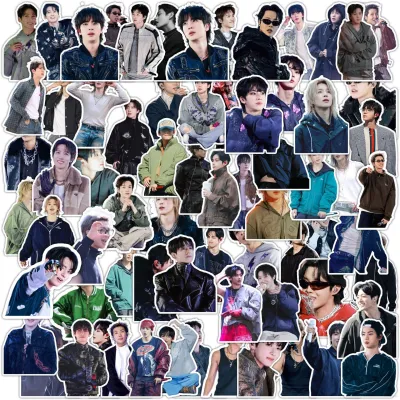
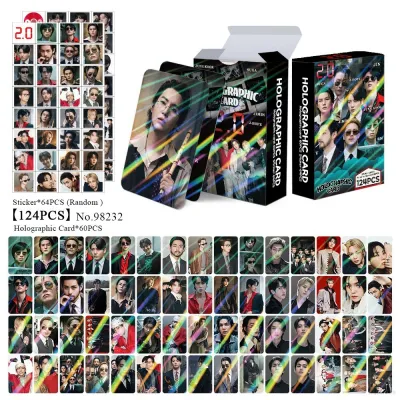
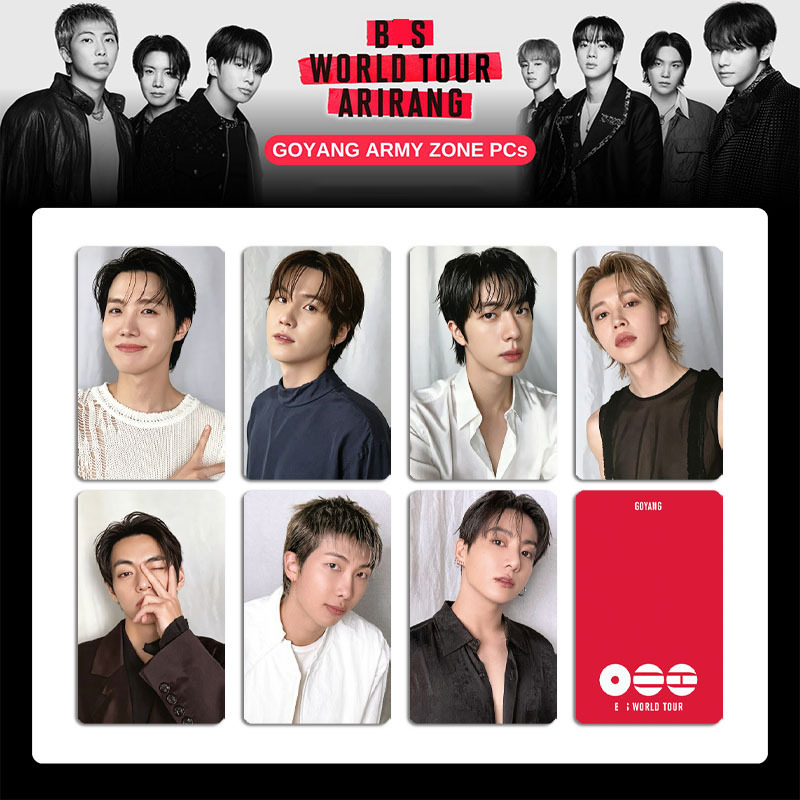
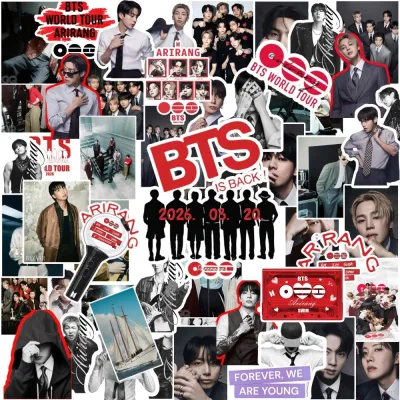
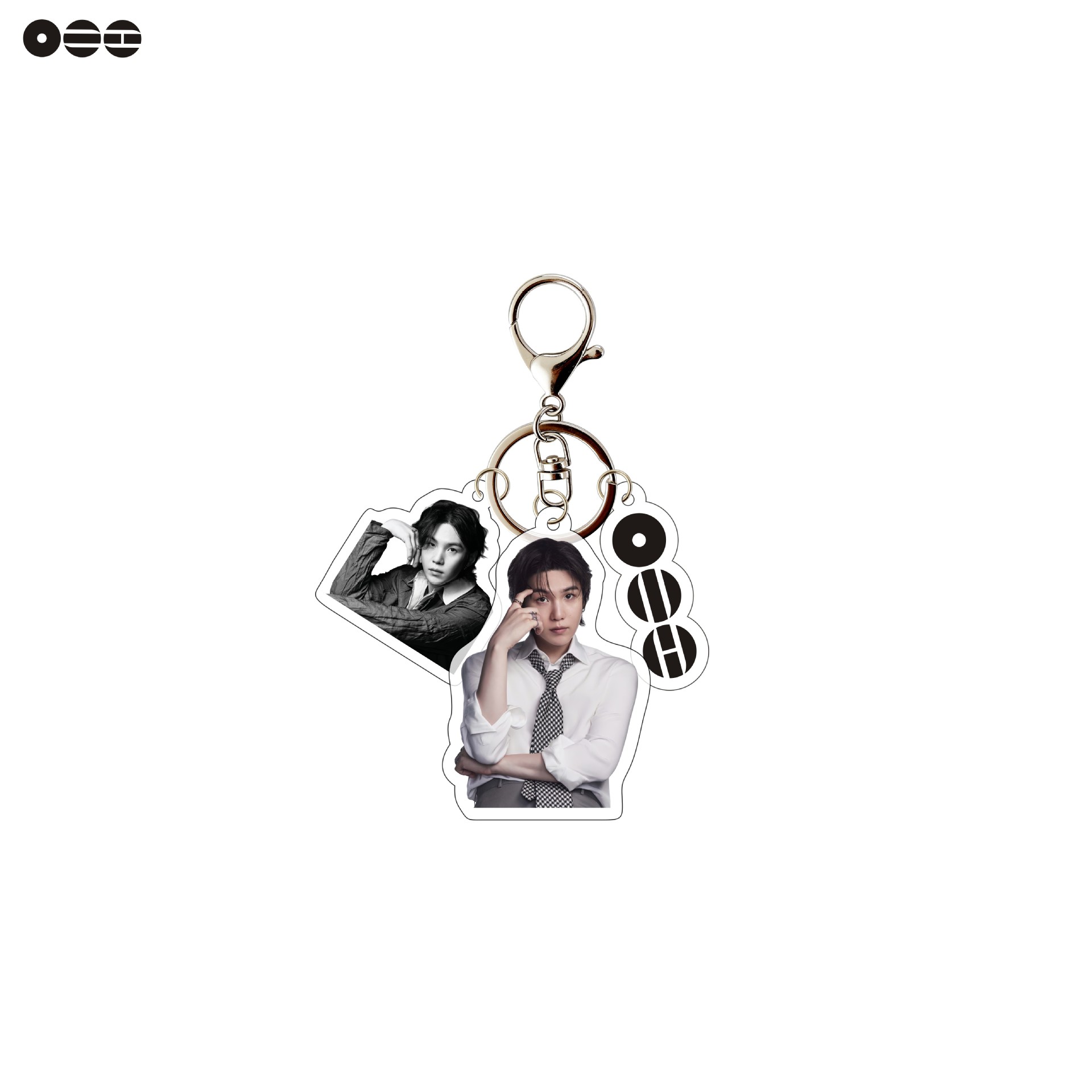
Prices are valid at publication and may change. Please refer to the product page for the latest price.
When navigating this market, collectors must also recognize the structural differences between official agency releases and unauthorized fan-made tribute items. Official items are produced directly by or in partnership with the group’s management agency or the authorized broadcasting network. These goods carry official copyright notices, trademark logos, and specific manufacturing standards. Fan-made items, while often creative and visually appealing, are unauthorized reproductions or tribute designs that do not hold official collector value and should not be confused with authentic memorabilia.
Understanding the release windows and availability constraints of these items is crucial for planning purchases. Because broadcast-exclusive and event-themed merchandise is tied to a specific point in time, the primary release window is incredibly short, often lasting only for the duration of the event or broadcast run. Once this window closes, these items are rarely, if ever, reprinted or re-released. Consequently, collectors must rely on secondary markets or specialized retailers to acquire them, which significantly increases the importance of verification and careful sourcing.
Verifying Authenticity of Official K-pop Merchandise
The high demand and limited availability of broadcast-themed BTS collectibles make them frequent targets for counterfeiting. To protect your investment, you must equip yourself with reliable, observable methods to verify the authenticity of any item before purchasing. The first line of defense is checking for official security features on the packaging or the item itself. Official K-pop merchandise typically features specialized hologram stickers, such as the Korea Music Copyright Association (KOMCA) sticker or proprietary agency hologram seals. When tilted under a direct light source, these stickers should display a clear, multi-layered holographic pattern and smooth color transitions; flat, dull, or non-reflective stickers are a primary indicator of a counterfeit.

In addition to physical stickers, many modern official releases incorporate digital verification methods. These can include scannable QR codes printed on the packaging or on enclosed authenticity cards. When scanned with a smartphone, these codes should direct you to an official verification portal or register the product directly within an official application, such as the Weverse Shop app. If a QR code fails to scan, directs you to an unofficial or suspicious URL, or appears as a static, non-functional image, the item is likely unauthorized.
Examining the physical print quality and material specifications of the item is another highly effective verification method. Official photocards and paper goods are manufactured using high-grade, heavy-weight paper stock that feels rigid and durable. They feature high-resolution printing with sharp text, accurate color saturation, and clean, rounded corners. Counterfeit photocards often feel noticeably thinner or more flexible, and close inspection may reveal blurry typography, pixelated images, off-center cropping, or rough, uneven edges where the card was cut from a sheet.
When shopping on open online marketplaces or peer-to-peer platforms, several red flags should immediately alert you to potential counterfeits. A price that is significantly lower than the established market value for a rare, out-of-print item is a major warning sign. Furthermore, listings that rely entirely on official stock photos rather than clear, high-resolution photos of the actual physical item in the seller’s possession should be approached with extreme caution. Always look for sellers who are willing to provide detailed close-ups of security seals, copyright text, and the edges of the item.
Comparing Collectible Formats and Display Options
As you expand your collection, evaluating how different merchandise formats fit your storage capacity, display preferences, and budget is essential for long-term satisfaction. Physical albums, box sets, and large photobooks require significant shelf space and must be stored upright to prevent spine warping and structural damage. These larger formats often contain a variety of mixed media, including paper pages, plastic CD discs, and small envelope inclusions, each requiring careful handling to avoid tears, fingerprints, and surface scratches.
Flat items, such as photocards, postcards, and mini-posters, offer a highly compact collecting option but require specialized protective materials. Standard K-pop photocards typically measure approximately 54 mm by 86 mm, making them compatible with standard trading card sleeves and pocket pages. Because these items are highly susceptible to bending, corner wear, and surface scratches from handling, they should always be housed in protective sleeves before being placed in binder albums or rigid plastic holders.
Deciding between active display and protective storage involves weighing the visual enjoyment of your collection against the risk of environmental wear. Lifestyle items, apparel, and acrylic stands are designed to be seen and used, but prolonged exposure to ambient light, dust, and physical contact will inevitably cause fading and wear. If your goal is to maintain items in mint condition for maximum collector value, keeping them in their original, unopened packaging inside dark, protective storage boxes is a highly effective strategy.
Financial planning is another critical aspect of building a sustainable collection in Singapore. Standard retail releases, such as current albums and widely distributed merchandise, are generally accessible, with prices typically ranging from S$15 to S$50. However, limited-edition event items, rare broadcast photocards, and out-of-print collectibles occupy a much higher price tier, often commanding hundreds of dollars on the secondary market due to their extreme scarcity. Establishing a clear monthly budget in S$ and prioritizing specific formats or members can help you avoid impulsive purchases and build a collection that remains financially manageable.
Sourcing Official BTS Merchandise in Singapore
Finding authentic BTS merchandise in Singapore requires identifying reliable purchasing channels that minimize the risk of acquiring counterfeit goods. For standard releases and official merchandise campaigns, a reliable option is to purchase directly from official brand stores, authorized physical K-pop specialty shops located in major retail hubs across Singapore, or official pop-up events organized by the group’s management. These physical locations source their inventory directly from authorized distributors, ensuring that every purchase is genuine and contributes directly to official music charts.
For online shopping, direct-to-consumer brand websites and official global e-commerce platforms are the most reliable options. Using the official Weverse Shop or verified global K-pop retailers helps ensure that you are receiving authentic products. When ordering from international platforms for delivery to Singapore, it is important to account for international shipping fees, potential delivery delays, and local customs regulations. For instance, import shipments that exceed local tax-free thresholds may be subject to Goods and Services Tax (GST), which can significantly increase the final cost of your purchase.
When searching for rare, out-of-print, or broadcast-exclusive items that are no longer available through primary retail channels, collectors often turn to secondary markets and peer-to-peer trading platforms. While these platforms are excellent resources for finding elusive collectibles, they carry a higher risk of fraud and counterfeiting. To protect yourself, always verify the seller’s reputation by checking their transaction history, ratings, and feedback from other K-pop collectors.
When conducting peer-to-peer transactions in Singapore, taking specific precautions can greatly reduce your risk. Always request a video of the item being held next to a handwritten note containing the seller’s username, the current date, and a specific phrase to prove they physically possess the item. Whenever possible, opt for face-to-face transactions in well-lit, public locations, such as MRT stations, allowing you to inspect the physical item, check its security features, and verify its condition before handing over any payment.
Preserving Your Collection in a Tropical Climate
Singapore’s tropical climate, characterized by consistently high temperatures and relative humidity levels that frequently exceed 80%, presents a challenging environment for preserving paper, plastic, and fabric collectibles. To prevent irreversible damage, collectors must implement proactive preservation strategies. For paper goods like photocards and postcards, the choice of protective materials is critical. Always use archival-quality, PVC-free (polyvinyl chloride) and acid-free plastic sleeves. Standard PVC sleeves contain plasticizers that degrade over time, releasing chemicals that can cause the photocard’s image to stick to the plastic, discolor, or chemically dissolve. Once sleeved, placing cards inside rigid plastic toploaders provides excellent protection against bending and physical impact.
Controlling the storage environment is a highly effective way to prevent warping, yellowing, and mold growth on paper albums and photobooks. High humidity causes paper fibers to expand and absorb moisture, leading to wavy pages and, in severe cases, destructive mold outbreaks. To mitigate this, store your collection in closed cabinets or heavy-duty plastic storage boxes equipped with high-capacity silica gel packets or renewable dehumidifier tubs. Monitoring the storage area with a basic digital hygrometer is highly recommended; aim to maintain a stable relative humidity level below 60% to keep your items dry and safe.
In addition to moisture control, protecting your collection from ultraviolet (UV) light exposure is essential for preventing color fading. Direct sunlight and even strong fluorescent indoor lighting can rapidly fade the vibrant inks used on albums, posters, and photocards. Avoid displaying your items on open shelves that receive direct sunlight from windows. Instead, utilize UV-filtering acrylic display cases, or store your most valuable items in opaque, light-blocking storage boxes kept in cool, dry rooms away from external walls that absorb heat.
Finally, establishing a routine inspection schedule is vital for catching environmental issues before they cause permanent damage. Every few months, take the time to open your storage boxes, check the condition of your silica gel packets or dehumidifier tubs (replacing them as needed), and visually inspect your albums and binders for any signs of moisture buildup, warping, or pest activity. Early detection allows you to adjust your storage setup and protect your valuable collection from long-term degradation.
Frequently Asked Questions (FAQ)
How can I verify if a BTS item is tied to a specific broadcast or event?
To confirm if a collectible is associated with a specific broadcast or event, cross-reference the item’s design, logos, and release details with official agency announcements on platforms like Weverse, broadcast network archives (such as Arirang TV’s official programming schedules), and verified fan community databases. Official event-specific merchandise almost always features distinct branding, copyright text, or specific broadcast watermarks printed directly on the item or its packaging. If an item lacks these official identifiers or does not match the documented release history of the event, it is highly likely to be an unofficial tribute or a counterfeit.
What should I look for when buying K-pop merchandise from online marketplaces?
When purchasing from online marketplaces, prioritize sellers who provide clear, unedited, high-resolution photos and videos of the actual physical item rather than relying on official stock images. Carefully review the seller’s profile, looking for high ratings, positive feedback specifically related to K-pop merchandise authenticity, and a clear return policy in case the item is proven to be counterfeit. Always ask the seller to provide close-up shots of the official security holograms, copyright text, and any manufacturing marks, and use secure payment methods that offer buyer protection.
How do I protect BTS photocards and albums from humidity damage?
To protect paper collectibles from Singapore’s high humidity, always store photocards in acid-free, PVC-free sleeves and place them inside sealed, airtight storage containers or dry boxes. Insert several high-quality silica gel packets or a renewable dehumidifier unit inside the container to actively absorb moisture, and use a digital hygrometer to monitor the internal humidity, keeping it consistently below 60%. For larger items like albums and photobooks, store them upright on shelves inside closed cabinets, avoid placing them near external walls or windows where temperature fluctuations occur, and regularly replace moisture-absorbing tubs to maintain a dry environment.
Community discussion
Share your experience or ask a question. Comments are reviewed before publication.