
Selecting your first face paint kit in Singapore requires balancing ease of use with strict skin safety. For beginners, the ideal starting point is a high-quality, water-activated cosmetic paint that offers vibrant color payoff without requiring professional-level application techniques. Because Singapore’s tropical climate presents unique challenges—such as high humidity outdoors and dry, cool air-conditioning indoors—your choice of formula directly impacts how well the paint stays on the skin. By focusing on reputable, cosmetic-grade brands and understanding how to verify their ingredients, you can ensure a fun, safe, and successful introduction to this creative art.
What Makes a Face Paint Brand Beginner-Friendly?
To build confidence as a beginner, you need a face paint that behaves predictably on the skin. The first factor to evaluate is activation and consistency. Water-activated face paints, which are the most common entry-level option, require a small amount of water to wake up the pigment. A beginner-friendly brand will dissolve smoothly without forming chalky clumps or becoming overly watery. The ideal texture should resemble a creamy liquid or wet tempera paint, allowing your brush or sponge to glide effortlessly across the skin.
Pigment payoff and blendability are equally critical when you are learning basic designs. High-quality beginner brands use finely milled pigments that deliver opaque, vibrant color in a single stroke. This prevents the need for heavy layering, which can feel uncomfortable on the skin and lead to cracking. Furthermore, the paint should blend smoothly with adjacent colors, allowing you to create soft gradients and transitions for simple butterfly wings, superhero masks, or floral patterns.
Products mentioned in this guide
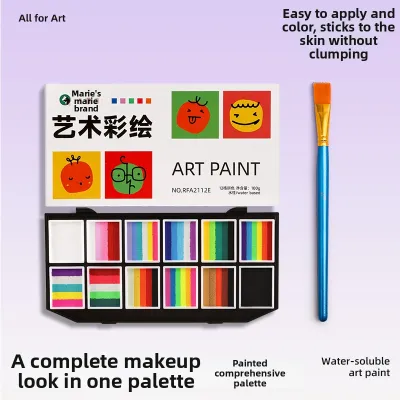

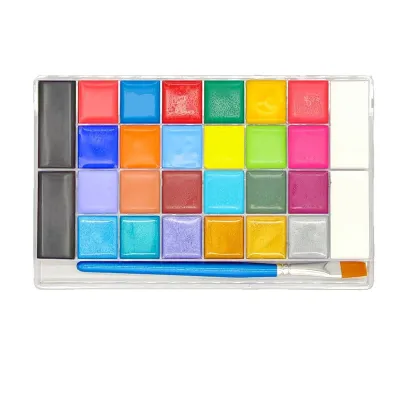
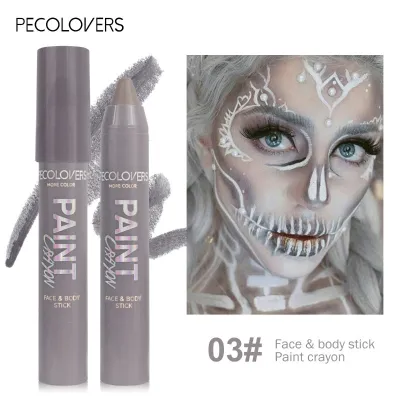
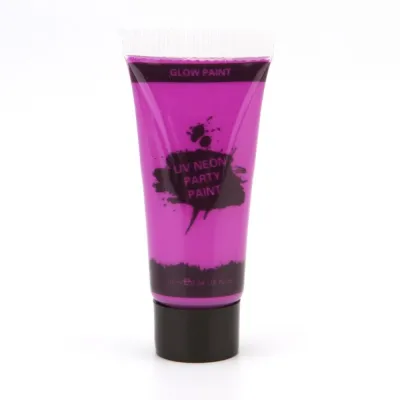
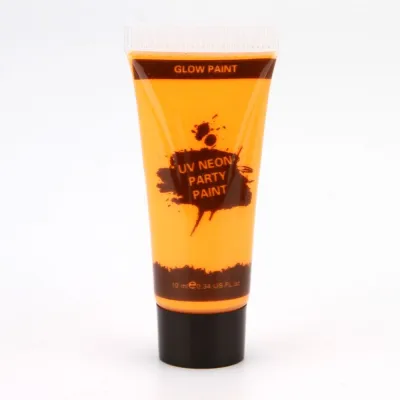
Prices are valid at publication and may change. Please refer to the product page for the latest price.
Drying time and smudge resistance require a delicate balance. If a paint dries too quickly, you will struggle to blend colors or correct minor mistakes. If it dries too slowly, the design is highly susceptible to smudging, especially when working with active children. Reliable beginner brands typically dry to the touch within a few minutes, leaving a comfortable, flexible finish that moves naturally with facial expressions.
Finally, the ease of removal determines how pleasant the experience is after the event ends. A beginner-friendly face paint should wash off completely with standard bath soap and warm water. Brands that require intense scrubbing or leave stubborn, ghost-like stains on the skin can cause irritation and distress, particularly for young users. Checking user reviews regarding washability is an excellent way to gauge this characteristic before purchasing.
Key Safety and Quality Standards to Check Before Buying
Because face paint is applied directly to sensitive facial skin and often used on children, safety must be your primary consideration. The most important step is verifying that the product is explicitly labeled as cosmetic-grade. This means the ingredients have been thoroughly tested and approved for topical application. Look for recognized regulatory compliance markers on the packaging, such as approvals from the US Food and Drug Administration (FDA), European Union (EU) cosmetic regulations, or local health authority guidelines.

It is vital to understand the difference between “non-toxic” craft paints and cosmetic-grade face paints. Many acrylics, watercolors, and tempera paints carry a “non-toxic” label, which simply means they are safe if accidentally ingested in small quantities during typical art projects. However, these craft paints are not formulated for prolonged skin contact. They often contain harsh binders, formaldehyde-releasing preservatives, and industrial pigments that can trigger severe allergic contact dermatitis, chemical burns, or intense itching when applied to the face.
Even when using high-quality, cosmetic-grade face paint, performing a patch test is an indispensable safety practice. Before painting a full design, apply a small coin-sized patch of the activated paint to the inner forearm or the sensitive skin behind the ear. Leave it on for at least twenty to thirty minutes, then wash it off and inspect the area. If you observe any redness, swelling, itching, or burning, discontinue use immediately, as this indicates an individual sensitivity to one of the ingredients.
When inspecting the ingredient list on a face paint kit, take note of potential irritants. Avoid products that contain strong synthetic fragrances, which are a common trigger for skin flare-ups. Additionally, ensure that any glitter included in the kit is labeled as cosmetic-grade polyester glitter. Standard craft glitter is made of metallic or glass particles with sharp, irregular edges that can cause permanent corneal damage if they migrate into the eyes. Cosmetic glitter is cut into rounded shapes and made from soft plastics that pose a significantly lower risk.
Water-Based vs. Oil-Based: Which Formula Suits Your Needs?
As a beginner, choosing between water-based and oil-based formulas will shape your entire painting experience. Water-based paints are highly recommended for newcomers due to their sheer convenience. These paints are breathable, lightweight, and dry to a clean, matte finish. Because they are water-soluble, they are incredibly easy to clean up, requiring only a damp cloth for mistakes during application and a standard shower to remove entirely. However, their main limitation is vulnerability to moisture; heavy sweating, rain, or tears will cause the paint to run or reactivate.
In contrast, oil-based or grease paints are formulated to withstand moisture and physical contact. These products are favored for theatrical performances, outdoor sporting events, or high-intensity activities where longevity is paramount. They offer excellent smudge resistance and will not run when exposed to sweat. The trade-off is that oil-based paints feel significantly heavier on the skin and do not dry down completely on their own, requiring a generous application of setting powder. Furthermore, removing them requires specialized oil-based cleansers, makeup removers, or cold creams, which can be tedious for beginners.
When deciding which formula to buy in Singapore, consider the environment of your planned event. If you are hosting an outdoor birthday party at a park or a sports day under the tropical sun, a water-based paint may melt quickly due to humidity and perspiration. In such scenarios, a hybrid water-resistant formula or a light oil-based paint set with powder is more reliable. Conversely, for indoor, air-conditioned birthday parties, school performances, or casual home play, water-based paints are undoubtedly the most practical and comfortable option.
Where to Buy and Verify Authentic Face Paints in Singapore
Finding authentic, high-quality face paint in Singapore involves knowing where to shop and how to spot counterfeit goods. For a reliable hands-on shopping experience, visit established local art supply stores, specialized costume shops, or theatrical supply retailers. These brick-and-mortar stores curate their inventory carefully, often sourcing directly from authorized distributors of reputable global brands. Shopping in person also allows you to inspect the packaging quality, read the ingredient lists, and sometimes consult knowledgeable staff about the product’s origin.
If you prefer the convenience of online marketplaces and ecommerce platforms, extra vigilance is required. Always look for official brand storefronts or listings marked as authorized resellers. Many online platforms host third-party sellers who may offer unbranded, cheap kits that bypass local cosmetic safety standards. Before adding an item to your cart, check the seller’s profile, read customer reviews specifically looking for mentions of skin irritation, and verify that the product ships in its original, sealed packaging.
Spotting counterfeit or unsafe face paint requires a critical eye. Be highly suspicious of unusually low price points. If you find a massive, multi-color palette with brushes and stencils priced at under S$10, it is highly likely to be an unbranded, low-quality product that lacks proper cosmetic safety testing. Authentic, cosmetic-grade face paints require rigorous manufacturing standards, which is reflected in their retail pricing.
Another major red flag is the absence of a complete ingredient list or manufacturer contact details on the packaging. Legitimate cosmetic products are legally required to list all ingredients, allowing consumers to identify potential allergens. If a kit only features vague descriptions like “safe paint” or “non-toxic colors” without a detailed chemical breakdown, avoid purchasing it. Protecting your skin and the skin of those you paint is worth the investment in a verified, authentic brand.
Essential Tools and Accessories for First-Time Users
While the quality of your face paint is paramount, having the right tools will significantly improve your application results. Beginners do not need an extensive collection of brushes, but a few targeted shapes are essential. A medium round brush (size 3 or 4) is perfect for painting fine lines, swirls, and teardrops. A flat brush (one-half inch or three-quarter inch) is ideal for blocking in large areas of color or creating bold, geometric shapes. Look for synthetic bristles, as they hold their shape well when wet and are easier to sanitize than natural hair brushes.
Sponges are the secret to achieving smooth, streak-free base coats. High-density, latex-free cosmetic sponges are preferred for face painting. You can cut round sponges in half to create “petal” shapes, which are excellent for dabbing paint around the eyes or creating soft, contoured backgrounds. When using a sponge, ensure it is only slightly damp; excess water will cause the paint to run and create transparent, uneven patches on the skin.
To improve the longevity of your designs, especially in warm environments, consider using setting accessories. A light dusting of translucent cosmetic setting powder over water-based or oil-based paint helps lock the design in place and reduces shine. Alternatively, a few sprays of a skin-safe cosmetic setting spray can create a protective barrier that resists light sweat and accidental touching.
Finally, prepare your cleanup kit before you begin painting. Keep a supply of gentle, unscented baby wipes or micellar water on hand to quickly wipe away mistakes during the painting process. For final removal, a gentle cleansing balm, baby oil, or a mild liquid soap paired with a soft washcloth will lift the pigment from the skin without requiring harsh scrubbing. Always follow up with a gentle moisturizer to soothe the skin after washing.
Frequently Asked Questions (FAQ)
Can I use regular acrylic or watercolor paints on my face?
No, you should never use regular acrylic, watercolor, or tempera paints on your face or body. Standard craft paints are formulated with industrial binders, chemical solvents, and pigments designed for paper, canvas, or wood, not human skin. These ingredients can cause severe allergic reactions, contact dermatitis, and chemical irritation. Furthermore, acrylic paint dries into a plastic-like film that clings tightly to the fine hairs on the face, making removal extremely painful and potentially damaging to the skin barrier. Always stick to certified cosmetic-grade products.
How do I prevent face paint from cracking or melting in humid weather?
To prevent face paint from cracking or melting in Singapore’s humid climate, start with clean, oil-free skin. Avoid applying heavy moisturizers or oil-based sunscreens immediately before painting, as these create a barrier that prevents water-based paint from adhering properly. Apply the paint in thin, even layers, allowing each layer to dry completely before adding details. Thick layers are highly prone to cracking as the face moves. Once the design is complete, seal it with a light mist of a professional cosmetic setting spray or a dusting of translucent setting powder to absorb excess moisture and sweat.
Community discussion
Share your experience or ask a question. Comments are reviewed before publication.