
Starting your calligraphy journey in Singapore requires an ink that balances smooth flow, manageable drying times, and compatibility with local paper options. For beginners, the most suitable calligraphy ink is one that does not bleed excessively on standard practice pads, cleans up easily with water, and remains stable under high humidity. Navigating the wide array of art supplies can feel overwhelming, but focusing on a few key ink characteristics will help you build a reliable starter kit.
Choosing the right ink is just as important as selecting your nib and holder. The interaction between these three elements determines how smoothly your pen glides across the page and how crisp your letterforms appear. By understanding the physical properties of different ink types and how they behave in our local tropical climate, you can avoid common frustrations and focus on developing your muscle memory and stroke consistency.
Understanding Calligraphy Ink Types for Beginners
To make an informed choice, you must first understand the primary formulations available in local art shops. Calligraphy inks generally fall into three categories: traditional sumi ink, pigment-based drawing inks, and dye-based writing inks. Each formulation has distinct physical properties that affect how the ink flows from a metal nib and how it adheres to paper fibers.
Products mentioned in this guide
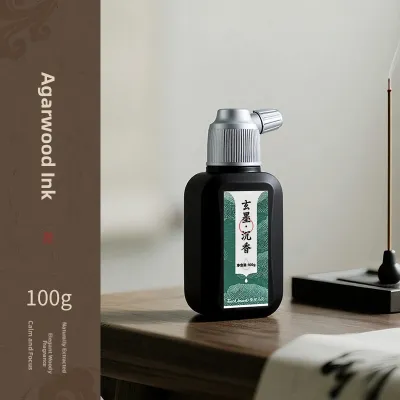
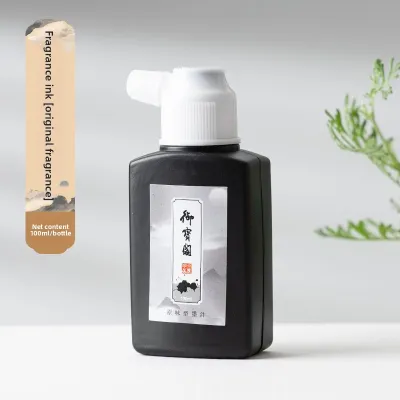
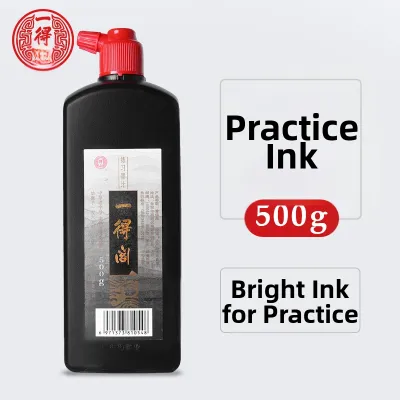
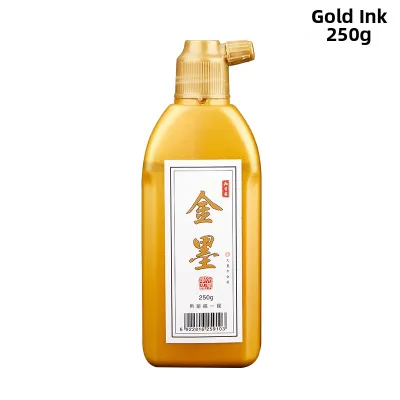
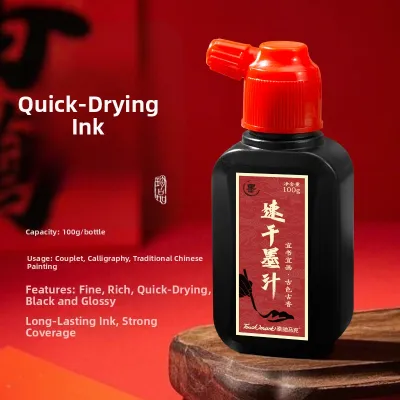
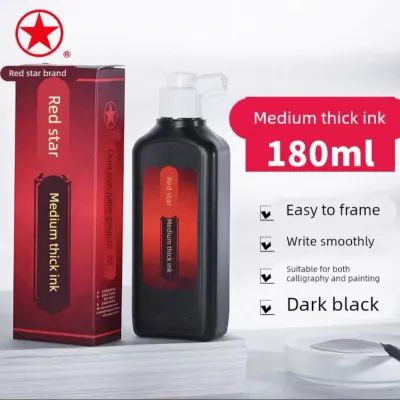
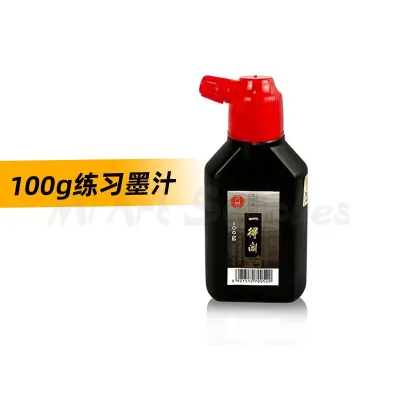
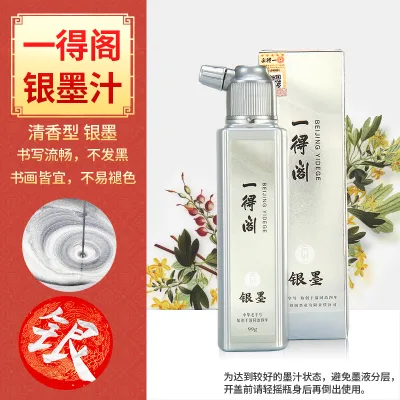
Prices are valid at publication and may change. Please refer to the product page for the latest price.
Traditional sumi ink is a time-tested favorite among calligraphers of all skill levels. Originally made from compressed pine soot and animal glue binders, modern liquid sumi ink offers a deep, rich black color with a distinct matte finish. It has a naturally smooth viscosity that clings well to metal nibs, allowing for long, continuous strokes without sudden ink dumps. Sumi ink is highly recommended for daily practice because it is water-soluble during cleanup but becomes highly water-resistant once fully cured on the page.
Pigment-based inks utilize finely ground solid color particles suspended in a liquid binder, which is often acrylic or shellac. These inks are highly opaque, exceptionally lightfast, and available in a vast spectrum of colors, including metallics and whites. Once dry, pigment-based inks form a highly durable, waterproof layer that will not smudge if you apply watercolor washes over your lettering. However, the binders in these inks can dry quickly on your nib, requiring frequent wiping during your practice sessions to prevent clogging.
Dye-based inks, which include most standard fountain pen inks, rely on fully dissolved colorants rather than solid particles. This makes them highly fluid and transparent, offering beautiful shading and color blending opportunities. However, this high fluidity is often a disadvantage for beginners using dip pens. Dye-based inks tend to soak deeply into paper fibers, which frequently leads to feathering—the frustrating phenomenon where ink spreads out in tiny, spider-web-like lines along the paper grain.
For those starting out, waterproof pigment inks and traditional sumi inks are generally the safest and most forgiving options. Their higher viscosity and solid particle composition allow them to sit on top of the paper fibers rather than soaking in immediately. This surface-level adhesion helps maintain sharp, clean hairlines and bold downstrokes, even when practicing on budget-friendly paper.
When shopping for your first bottle, always verify the specific properties listed on the manufacturer’s label. Look for terms like “waterproof,” “water-resistant,” or “document-grade” to understand how the ink will behave after drying. Keep in mind that water-resistant inks can withstand minor moisture or light splashes, whereas true waterproof inks will remain completely undisturbed by wet mediums once they have fully cured.
Key Factors to Consider When Buying Your First Ink
Finding the right calligraphy ink involves evaluating how a specific formula interacts with your unique practice environment. Because calligraphy is a system of interconnected tools, an ink that works beautifully for one artist might perform poorly under different conditions. By focusing on four key evaluation dimensions, you can select an ink that minimizes frustration and supports your learning curve.

Paper compatibility is the most critical factor for any beginner. Highly absorbent papers, such as standard 70 gsm copy paper, act like sponges, pulling thin inks out of control and causing severe bleeding. Before committing to a final piece of artwork, always test your ink on scrap pieces of your intended paper. For daily practice, look for smooth, bleed-resistant papers like 100 gsm layout paper, marker pads, or specialized calligraphy practice sheets that can handle wet media without buckling.
Drying time is another vital consideration, especially when practicing in Singapore’s naturally humid tropical climate. High relative humidity slows down the evaporation of water-based inks, meaning a stroke that dries in seconds in a dry climate may remain wet for several minutes here. If you are a left-handed writer, slow-drying inks pose a significant risk of smudging as your hand moves across the page. Check the product specifications or user reviews for estimated drying times, and consider using a small desk fan to help set the ink during long practice sessions.
Maintenance and cleanup should be as simple as possible when you are first starting out. Inks with heavy acrylic or shellac binders dry into a tough, water-resistant film that can be incredibly difficult to remove from delicate nib slits. If these binders cure on your nib, they can permanently alter the ink flow or render the nib useless. Prioritize inks that can be easily cleaned with lukewarm water and a soft cloth, saving the more complex, fast-drying formulas for when you are comfortable with regular pen maintenance.
Volume and cost control will help you explore different options without overspending. It is highly tempting to purchase large, professional-grade bottles of ink, but doing so can lead to waste if you find the formula does not suit your writing style. Opt for smaller, budget-friendly trial sizes or starter bottles, which are widely available in local shops. These smaller volumes allow you to test how different ink flows interact with your specific nibs and papers before investing in larger quantities, with many starter bottles costing under S$15.
Common Beginner Mistakes to Avoid
Many aspiring calligraphers encounter unnecessary difficulties simply because they select the wrong materials or misuse their tools. By recognizing and avoiding a few common purchasing and usage errors, you can ensure a much smoother and more enjoyable learning experience.
One of the most frequent mistakes is purchasing unlabeled or generic “craft inks” from general discount stores. These products are often formulated for stamping, stenciling, or general children’s crafts, and they lack the precise viscosity and binder balance required for dip pen calligraphy. Using these generic inks often results in the ink either pooling instantly on the paper or refusing to flow off the metal nib at all, which can lead to immense frustration and potentially damage delicate nib coatings.
Another common pitfall is assuming that any ink labeled “waterproof” is instantly smudge-proof the moment you finish writing. Waterproofing is a chemical curing process that requires the liquid carrier to evaporate completely so the binders can lock the pigments in place. In humid environments, this curing process takes longer than expected. Always allow the ink to dry completely—often several minutes longer than the manufacturer’s standard guidelines—before erasing pencil guidelines or applying wet mediums over your work.
Finally, refrain from bulk-buying a single brand or type of ink before you have had a chance to test it yourself. Because every metal nib has a unique level of flexibility, surface tension, and ink capacity, an ink that flows perfectly on a stiff beginner nib might flood a highly flexible, advanced nib. Purchasing a variety of small trial sizes allows you to observe these subtle interactions firsthand, helping you build a personalized toolkit that matches your specific hand pressure and writing speed.
How to Build Your Starter Ink Shortlist in Singapore
Sourcing and testing your first calligraphy inks in Singapore is a straightforward process if you know where to look and how to evaluate your options. The local retail landscape offers a mix of physical art supply stores and online marketplaces, each providing unique advantages for building your starter kit.
To begin, consider visiting local art supply stores or specialized stationery shops, particularly those located in established creative hubs like Bras Basah Complex. Physical shopping allows you to examine the bottles in person, check the labels for specific ingredients, and sometimes view physical swatch cards created by the store staff. Some specialized boutiques even offer in-store testing opportunities, allowing you to dip a pen and feel the ink’s viscosity before making a purchase.
If you prefer the convenience of online marketplaces, use highly specific search terms to filter out irrelevant products. Instead of searching for broad terms like “drawing ink,” use precise phrases such as “traditional sumi ink,” “waterproof calligraphy ink,” or “pigment-based dip pen ink.” When browsing online listings, pay close attention to the buyer feedback section, looking for reviews that specifically mention paper compatibility, drying behavior in humid conditions, and ease of cleanup.
Once you have acquired a few candidate inks, plan a structured testing process to evaluate their performance. Select two to three basic ink types—such as a liquid sumi ink and a waterproof pigment ink—and prepare a sheet of your favorite practice paper alongside a sheet of your final artwork paper. Write a series of basic strokes, including thin hairlines, thick downstrokes, and quick curves, to observe how smoothly the ink flows from your nib.
During this test, monitor how long each ink takes to dry completely under your typical writing conditions. Once the samples are dry, gently rub a clean finger over the lines to check for smudging, and apply a drop of water to test the ink’s water resistance. This hands-on evaluation will give you a clear, practical understanding of how each ink behaves, allowing you to confidently select the most suitable formula for your daily practice and final projects.
Frequently Asked Questions (FAQ)
Can I use fountain pen ink for dip pen calligraphy?
Fountain pen inks are formulated to flow extremely easily through the internal feed systems of fountain pens, which means they have a very low viscosity. When used with a dip pen, this thin consistency often causes the ink to rush off the metal nib all at once, resulting in large blots and severe bleeding on standard paper. If you wish to use fountain pen ink for calligraphy, you can modify its flow by adding a small amount of gum arabic—a natural thickening agent—to increase its viscosity. However, for beginners, it is generally much more practical and less frustrating to purchase dedicated dip pen inks that are pre-formulated with the correct thickness for immediate use.
How do I clean dried calligraphy ink from my nibs?
To clean dried ink from your calligraphy nibs, gently rinse them in lukewarm water and wipe them clean with a soft, lint-free cloth or a soft-bristled toothbrush. Avoid using abrasive scrubbing pads or harsh chemical solvents, as these can strip away the protective anti-rust coatings applied by the manufacturer. If you encounter stubborn, dried-on pigment or acrylic ink, you can use a mild dish soap or a specialized pen cleaning solution designed for art tools. Always dry your nibs completely after cleaning to prevent rust from forming. If you observe deep pitting, rust spots, or a bent tip that affects ink flow, it is best to stop using the nib and replace it with a fresh one.
Does calligraphy ink expire or go bad?
Yes, water-based calligraphy inks can degrade over time due to environmental exposure and bacterial contamination. Observable signs of ink spoilage include a strong, sour, or foul odor, severe separation of pigments that cannot be re-mixed by shaking, or visible mold growth on the surface of the liquid. You should also check the bottle for any manufacturer-printed expiration dates or batch codes that indicate the product’s shelf life. If your ink shows clear signs of degradation, it should be discarded immediately, as using spoiled ink can ruin your paper, clog your nibs, and introduce mold spores to your other stationery supplies.
Community discussion
Share your experience or ask a question. Comments are reviewed before publication.