
Choosing your first set of acrylic colors is an exciting milestone for any aspiring artist in Singapore. Acrylic paint is highly celebrated for its versatility, rapid drying time, and water-soluble nature, making it the ideal medium for beginners. Whether you are painting in a cozy HDB flat or a dedicated studio space, the right starter set will allow you to explore various techniques without the frustration of poor color mixing or rapid paint degradation.
To make an informed decision, you must look beyond eye-catching packaging and focus on the physical properties of the paint, such as pigment load, viscosity, and safety certifications. A well-chosen set of acrylic colors provides a balanced palette that teaches you the fundamentals of color theory while remaining highly manageable. By evaluating key physical properties and label indicators, you can find a high-quality set that fits your budget and workspace.
Key Factors to Evaluate in Beginner Acrylic Sets
When browsing the aisles of an art supply store or scrolling through online marketplaces, the sheer variety of acrylic colors can be overwhelming. The first factor to evaluate is the color count and palette selection. Beginner sets typically range from basic 5-color primary kits to expansive 24-color collections. While a larger set might seem appealing, starting with a limited palette of primary colors—typically cyan, magenta, yellow, black, and white—forces you to learn how to mix secondary and tertiary shades. This foundational practice builds a stronger understanding of color relationships and prevents your paintings from looking muddy.
Products mentioned in this guide
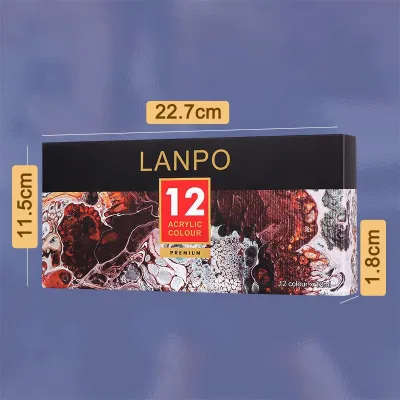
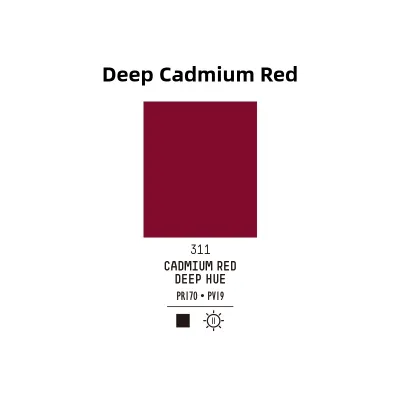
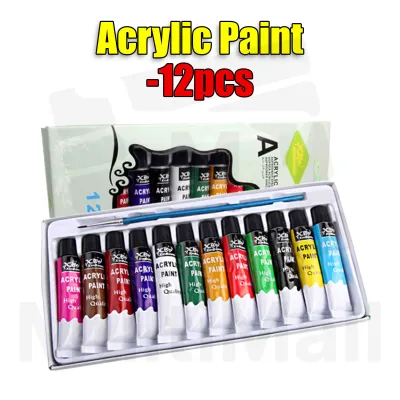
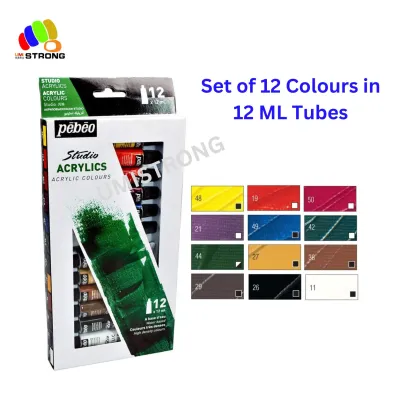
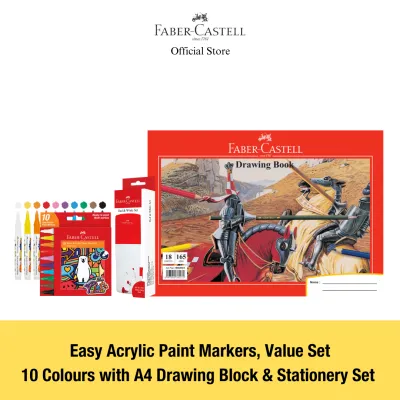
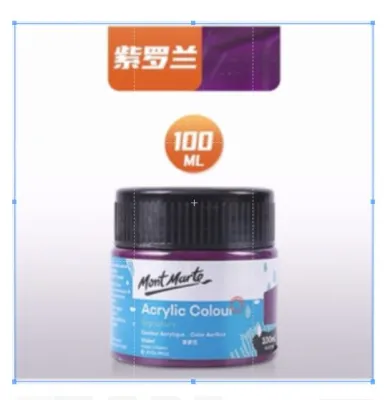
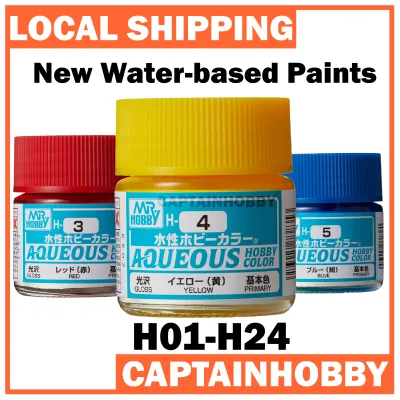
Prices are valid at publication and may change. Please refer to the product page for the latest price.
The volume of the paint containers is another critical consideration. Acrylic colors are commonly packaged in tubes ranging from 12ml to 120ml. For absolute beginners, 12ml to 20ml tubes are excellent for testing different brands and color ranges without a significant financial commitment. However, because white and primary colors are consumed at a much faster rate during mixing, you may find yourself running out of these essential shades quickly. Opting for a set that features slightly larger tubes, or purchasing an individual large tube of titanium white alongside your starter kit, is a highly practical approach.
Packaging formats also play a significant role in your painting workflow and workspace organization. Squeezable plastic or aluminum tubes are the industry standard for beginner acrylic colors. Tubes keep the paint sealed away from air, preventing premature drying and contamination. Jars, on the other hand, are typically reserved for heavy body paints used in large-scale projects. While jars allow you to scoop out large quantities of paint easily, they expose the remaining product to air every time you open them, which can lead to skinning and drying in Singapore’s warm climate. For most beginners, tubes offer the best balance of portability, preservation, and ease of use.
Understanding Paint Grades and Formulations
Art manufacturers generally categorize acrylic colors into two distinct tiers: student-grade and professional-grade. Student-grade acrylics are formulated with lower pigment concentrations and a higher proportion of synthetic binders, fillers, and extenders. This formulation makes them highly affordable and perfect for high-volume practice, color mixing exercises, and base coats. Professional-grade acrylics, by contrast, feature a much higher pigment load and minimal fillers, resulting in exceptional color vibrancy, superior tinting strength, and a more consistent texture. As a beginner, starting with student-grade paints is highly recommended to keep your practice stress-free, allowing you to make mistakes without worrying about the cost of materials.

As you gain confidence, learning to read the formulation details on the packaging will help you transition to higher-quality paints. One of the most important indicators to look for is the lightfastness rating, which measures a pigment’s resistance to fading when exposed to light over time. Manufacturers typically use the ASTM (American Society for Testing and Materials) standard, where ASTM I represents excellent lightfastness and ASTM II indicates very good lightfastness. In Singapore, where homes often receive abundant natural sunlight, choosing paints with high lightfastness ratings ensures that your finished artworks remain vibrant and true to color for years to come.
Another aspect of paint formulation is the presence of fillers or extenders, such as calcium carbonate or barium sulfate. While these additives lower production costs, they can cause a noticeable “color shift” as the paint dries. Because acrylic binders dry clear, the wet paint often appears slightly lighter and more opaque than it does once fully cured. Student-grade paints with high filler content tend to exhibit a more pronounced color shift, often drying darker or duller than expected. By observing this behavior during your initial practice sessions, you can learn to anticipate and compensate for these shifts in your color mixing.
Building Your Shortlist: What to Look for on the Label
Before finalizing your purchase, a close inspection of the product label is essential to ensure safety and performance. First and foremost, verify that the paint set carries recognized safety certifications. Look for the ASTM D-4236 seal, which indicates that the art materials have been evaluated by a toxicologist and are labeled in accordance with chronic hazard labeling standards. Alternatively, the European EN71 certification ensures the product meets strict safety requirements for toys and children’s art supplies. These certifications are particularly important if you are painting in shared living spaces, compact apartments, or around children and pets, giving you peace of mind that the paints are non-toxic and safe for indoor use.
The label also provides valuable clues about the opacity and transparency of each color. Most reputable brands print small symbols on the tube—such as a clear square for transparent, a diagonally split square for semi-opaque, or a solid black square for fully opaque. Understanding these indicators is crucial for planning your painting techniques. Transparent colors are ideal for glazing, where thin layers of paint are built up to create depth and luminous color transitions. Opaque colors, on the other hand, provide excellent coverage and are perfect for blocking in solid shapes, painting background layers, or covering up mistakes.
Drying time is another critical factor that varies between formulations. Standard acrylic colors dry very quickly, often within 10 to 20 minutes depending on the thickness of the layer and environmental conditions. While this rapid drying is advantageous for layering without smudging, it can make wet-on-wet blending challenging. Some manufacturers offer “interactive” or “slow-drying” acrylics that remain workable for longer periods. When reviewing labels, look for mentions of “open time” or specific drying characteristics to determine if the paint matches your preferred painting style. If you enjoy slow, meditative blending, a set designed with a slightly extended open time may be highly beneficial.
Essential Accessories and Medium Compatibility
A great set of acrylic colors requires the right supporting tools to perform at its best. The viscosity, or thickness, of your paint should match your chosen surface and application method. Heavy body acrylics have a thick, buttery consistency similar to oil paints, making them excellent for holding brushstrokes, creating texture, and working on stretched canvas or heavy-duty mixed media paper. Fluid or soft body acrylics have a smoother, pourable consistency that is ideal for detailed illustration, watercolor-like washes, and smooth color transitions on flat surfaces. Ensuring your paint viscosity aligns with your artistic goals will prevent frustration during your initial projects.
Compatibility with acrylic mediums is another factor that expands your creative possibilities. Acrylic mediums are liquid or gel additives that can be mixed with your paint to alter its gloss, transparency, texture, or drying time. Before purchasing a paint set, check the manufacturer’s guidelines to ensure the colors can be seamlessly mixed with standard gloss mediums, matte mediums, or retarders. Using a retarder is especially helpful in Singapore’s warm climate, as it slows down the evaporation of water from the paint, giving you more time to blend colors directly on the canvas.
While many beginner paint sets are sold as complete kits containing brushes, palettes, and small canvases, it is often wiser to evaluate these bundled accessories critically. In many cases, the brushes included in budget-friendly kits are prone to shedding bristles and losing their shape quickly, which can ruin your painting experience. Sourcing your accessories separately allows you to invest in a few high-quality synthetic brushes—which are durable and hold their spring when used with heavy acrylic binders—and a sturdy, easy-to-clean plastic or glass palette. This approach ensures that your tools do not hinder the performance of your high-quality acrylic colors.
Where to Verify and Purchase Art Supplies
Sourcing your art supplies from reliable channels is key to ensuring you receive genuine, high-quality products. Visiting physical art supply stores in Singapore offers several distinct advantages. It allows you to physically inspect the paint tubes for any signs of damage, leaks, or separation. You can also consult knowledgeable store staff, view physical color swatches under natural light, and feel the weight and viscosity of different paint grades. This hands-on experience is invaluable for beginners who are still developing a feel for the medium.
If you prefer the convenience of online marketplaces or ecommerce platforms, it is crucial to verify the seller’s credentials. Look for authorized distributors or official brand stores to avoid counterfeit products, which often suffer from poor pigment quality, inconsistent textures, or unsafe chemical formulations. Read customer reviews carefully, paying close attention to feedback regarding packaging quality and shipping times. Reliable sellers will package paint sets securely to prevent tubes from bursting or leaking during transit.
Finally, always verify the physical integrity of the paint sets upon delivery or purchase. Check the batch codes and manufacturing dates often printed on the crimped end of the tubes. Acrylic paint has a long shelf life, but extremely old stock can dry out, curdle, or separate inside the tube. Unscrew the caps to ensure the protective foil seals are completely intact. A broken seal allows air to enter, which can cure the paint and render it completely unusable. By taking these simple verification steps, you can ensure your starter set is fresh, safe, and ready for your first masterpiece.
Frequently Asked Questions (FAQ)
How do I prevent acrylic paints from drying out in the tubes?
To keep your acrylic colors fresh and usable for years, always wipe the threads of the tube nozzle with a clean, damp cloth immediately after squeezing out your paint. This prevents excess paint from drying on the threads, which can compromise the airtight seal when the cap is screwed back on. Always tighten the caps firmly, but avoid over-tightening to prevent cracking the plastic. Store your paint tubes horizontally or upside down in a cool, dark storage box away from direct sunlight and heat sources, as extreme temperature fluctuations can accelerate the drying process inside the tube.
Can I mix student-grade acrylics with professional-grade paints later?
Yes, you can safely mix student-grade and professional-grade acrylics, provided they are both water-based formulations. This is a common practice among artists who want to transition to professional-grade paints gradually. However, keep in mind that mixing the two will alter the performance of the paint. The higher concentration of fillers and lower pigment load in student-grade paints will dilute the rich pigment and tinting strength of the professional-grade paint. It is always best to mix a small test batch on your palette first to observe how the colors blend, flow, and dry before applying the mixture to your final canvas.

Community discussion
Share your experience or ask a question. Comments are reviewed before publication.