
Selecting your first sewing machine in Singapore is an exciting step toward mastering garment making, home decor crafting, or textile repair. The local market features several prominent global brands, including Brother, Singer, Janome, and Juki, each offering entry-level models designed to ease the learning curve. However, finding the right machine is not about searching for a single, universally crowned winner. Instead, it requires matching a brand’s local support network, machine reliability, and specific feature sets to your personal crafting goals and living space.
For beginners, the sheer variety of options can feel overwhelming. A successful purchase depends on understanding which features genuinely assist your learning process and which ones simply add unnecessary cost and complexity. By focusing on practical usability, local warranty coverage, and physical space constraints, you can select a reliable machine that will support your sewing journey for years to come.
Key Features to Look for in a Beginner-Friendly Sewing Machine
When evaluating entry-level sewing machines, prioritize features that simplify setup and operation. A common mistake is choosing a machine based on the number of built-in stitches. In reality, almost all utility sewing requires only a few essential stitch types: a straight stitch for seams, a zigzag stitch for finishing raw edges or sewing stretchy fabrics, and a reliable buttonhole stitch. Look for machines that offer either a semi-automatic four-step buttonhole or a fully automatic one-step buttonhole, which uses a special foot to size the buttonhole directly from your physical button.
Products mentioned in this guide
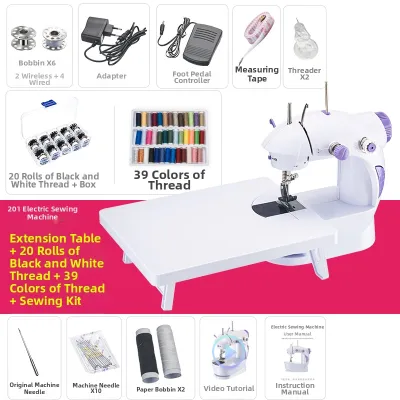
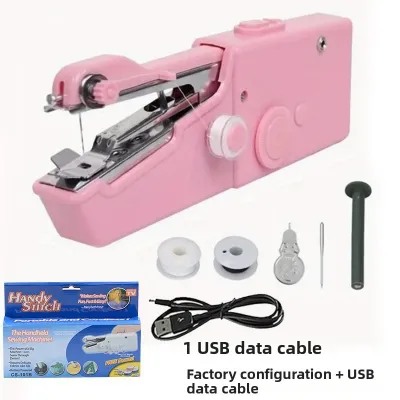
Prices are valid at publication and may change. Please refer to the product page for the latest price.
Time-saving mechanisms significantly reduce frustration during your first few projects. An automatic needle threader is a highly recommended feature; it uses a small, built-in hook to pull the thread through the needle eye, saving your eyes from strain. Additionally, look for a top drop-in bobbin system with a transparent plastic cover. Unlike traditional front-loading metal bobbin cases, a top drop-in system allows you to monitor your remaining bobbin thread at a glance and is generally much easier to load and less prone to jamming.
Speed control and fabric handling adjustments are also critical for building confidence. A speed control slider allows you to set a maximum sewing speed regardless of how hard you press the foot controller, preventing the machine from running away from you on tricky curves. Adjustable presser foot pressure is another valuable feature; it determines how firmly the machine grips the fabric against the feed dogs. Lowering the pressure prevents delicate or stretchy fabrics from puckering, while increasing it helps feed thick layers smoothly.
To verify the stitch quality and tension of any machine during a trial, sew a straight line on a medium-weight woven cotton fabric using a standard size 90/14 needle and quality polyester thread. Examine both sides of the fabric. A balanced stitch means the upper and lower threads lock together exactly in the middle of the fabric layers. If loops appear on the underside, the upper tension is too loose or the machine is threaded incorrectly; if they appear on top, the bobbin tension or threading needs adjustment. Always turn off the power switch before changing needles, presser feet, or threading the machine to ensure operational safety.
Evaluating Brand Support and Local Availability in Singapore
Before committing to a specific brand, consider the long-term availability of parts, accessories, and professional servicing within Singapore. Purchasing a sewing machine is an investment, and even the most reliable models require routine maintenance, timing adjustments, or occasional repairs. Choosing a brand with an established local presence ensures you will not be left with an unusable machine if a minor component fails.

Be highly cautious of the differences between authorized local dealers and parallel imports. Parallel imports, often sold at lower prices on online marketplaces, are sourced from overseas markets and typically do not carry a valid local manufacturer’s warranty. If a parallel-imported machine experiences a mechanical or electronic failure, local authorized service centers may refuse to repair it, or they may charge premium rates because the specific model variant uses parts not stocked locally. Buying from an authorized Singapore dealer guarantees access to official warranty coverage and professional technicians trained specifically for your machine.
Routine maintenance is essential for keeping your machine running smoothly. Over time, lint from fabrics and threads accumulates in the bobbin area, absorbing oil and causing friction. While you can easily brush out lint at home, professional servicing is recommended every one to two years to deep-clean internal gears, apply fresh lubricant, and check mechanical timing. Verify the locations of official brand service centers in Singapore before buying; many are located in central commercial districts or light industrial estates, making them easily accessible for drop-offs.
Finally, assess the ease of sourcing brand-specific consumables and accessories. While standard sewing needles (such as the universal 130/705H system) are highly compatible across brands, other components like bobbins and presser feet are often brand-specific. Using the wrong bobbin size—such as substituting a metal bobbin in a machine designed for plastic Class 15 bobbins—can damage the tension hook and disrupt stitch quality. Popular brands enjoy widespread support in Singapore, with local haberdashery shops in areas like Chinatown (such as People’s Park Centre) and neighborhood heartlands stocking a vast array of compatible presser feet, replacement needle plates, and bobbins.
Comparing Common Sewing Machine Categories for Beginners
Sewing machines generally fall into two main categories: mechanical and computerized. Understanding the practical differences between these designs will help you choose a machine that matches your comfort level with technology and your long-term sewing goals.
Mechanical sewing machines rely on physical dials, gears, and levers to select stitches and adjust stitch length and width. These machines are highly durable, often featuring robust internal metal frames that can withstand heavy use. They offer a tactile, straightforward user experience with fewer electronic components that could fail over time. For beginners on a budget or those who prefer simple, hands-on controls, a high-quality mechanical machine is an excellent, long-lasting option.
Computerized sewing machines utilize microprocessors, stepper motors, and LCD screens to control stitch selection and adjustments. They offer precise control over stitch parameters and often include automated convenience features, such as an automatic thread cutter, a needle up/down programming button, and error messages that alert you if the presser foot is still raised. While computerized models have a slightly higher initial cost, their automated assists can significantly reduce the learning curve for a novice, making the sewing process smoother and more intuitive.
Workspace constraints are another important consideration, especially in Singapore apartments like HDB flats where storage space may be limited. While compact or portable sewing machines are easy to store in a wardrobe and carry to sewing classes, they have distinct physical limitations. Lightweight machines (typically weighing under 5 kg) often use lighter internal components and can vibrate or shift on your table when sewing at high speeds or handling heavy fabrics like denim. A full-size standard machine (weighing between 6 kg and 8 kg) provides a much more stable sewing bed, reducing skipped stitches and offering a larger workspace for handling bulkier projects.
Avoid ultra-cheap, battery-operated mini or toy-like sewing machines frequently advertised on e-commerce platforms. These miniature machines are typically constructed with fragile plastic gears that strip easily under load. They lack proper tension assemblies, leading to constant thread jams, and do not have the motor power to sew through basic garment seams or multiple layers of cotton. Investing in a proper entry-level model from a reputable brand ensures a frustration-free learning experience and produces actual, durable craft projects.
Where to Buy and What to Verify Before Purchasing
When you are ready to purchase your sewing machine, weighing where to buy is just as important as choosing the model. While online marketplaces offer convenience and occasional promotions, visiting a physical sewing shop or an authorized dealer showroom in Singapore provides invaluable benefits. Testing a machine in-person allows you to feel the responsiveness of the foot pedal, listen to the motor noise, and observe how smoothly the fabric feeds through the machine.
Electrical compatibility is a critical safety factor when purchasing a sewing machine. Singapore operates on a 230V electrical supply at 50Hz, utilizing Type G three-pin plugs. If you purchase a machine online from overseas markets like the United States or Japan, which operate on 110V/120V, you cannot plug it directly into a Singapore wall outlet. Doing so will permanently destroy the machine’s motor and electronics, and poses a severe electrical hazard. Always verify that the machine’s technical specifications explicitly state compatibility with 220V-240V, and avoid relying on cheap travel adapters for high-draw appliances.
Before finalizing your purchase, carefully review the included accessories package. A comprehensive beginner kit should include several essential presser feet, such as a standard zigzag foot, a zipper foot, and a buttonhole foot. It should also contain a seam ripper, a small brush for cleaning lint, a pack of assorted needles, and several plastic bobbins that match the machine’s specific class. If these items are not included in the box, you will need to budget for them separately to ensure you can begin your first project immediately.
Frequently Asked Questions (FAQ)
Do I need a computerized sewing machine as a beginner?
You do not strictly need a computerized sewing machine to start learning. Mechanical machines are highly reliable, budget-friendly, and offer simple, tactile dials that are easy to understand. However, computerized machines offer automated features—such as automatic needle positioning, speed limiters, and precise stitch adjustments—that can make the learning process much smoother and less frustrating for beginners who are comfortable with digital interfaces.
How should I budget for my first sewing machine?
When planning your budget, categorize machines into entry-level mechanical models and entry-level computerized models. Basic mechanical machines from reputable brands are generally available in the lower budget tier, while computerized models with automated features sit in the mid-range tier. Remember to set aside an additional S$50 to S$100 for essential starter tools, including high-quality fabric shears, sewing pins, a cutting mat, measuring tape, and quality polyester threads, as using cheap, low-grade thread can cause persistent tension issues.
Can I use international sewing machine brands bought online in Singapore?
You can use international brands, but you must verify their electrical specifications and warranty terms before purchasing. Ensure the machine is rated for 220V-240V and comes with a Type G plug to match Singapore’s power grid. Be aware that machines purchased from overseas online retailers are considered parallel imports and will not be covered by local warranties, meaning you will have to pay out-of-pocket for any repairs or replacement parts at local service centers.
Community discussion
Share your experience or ask a question. Comments are reviewed before publication.