
Choosing the right yarn can transform your knitting or crochet project from a challenging chore into a smooth, satisfying creative process. If you have browsed local craft stores or online marketplaces in Singapore, you have likely encountered 5ply milk cotton yarn alongside traditional regular cotton options. While both materials are staple choices for crafters, they differ significantly in fiber composition, elasticity, texture, and suitability for specific projects. Understanding these differences allows you to select the ideal yarn that matches your design goals, budget, and desired durability.
What Exactly Is 5ply Milk Cotton Yarn?
Despite its dairy-inspired name, modern milk cotton yarn is rarely made entirely of milk proteins. Historically, milk fiber (casein) was processed into textiles, but today, the term “milk cotton” is primarily a commercial label for a synthetic-natural blend. Most skeins sold under this name consist of a blend combining cotton with acrylic or other synthetic fibers, often in a 60/40 or 80/20 ratio. This combination leverages the breathability of cotton and the lightweight loft of acrylic, creating a soft, affordable utility yarn.
The “5ply” designation refers to the thickness of the yarn strand rather than a strict count of individual threads twisted together. In the global yarn weight system, 5ply typically aligns with a sport or light worsted weight, making it a versatile medium-thickness option. However, because manufacturing standards vary across brands and regions, one brand’s 5ply might feel slightly thicker or thinner than another’s. Crafters should always check the physical strand thickness or the recommended gauge on the label rather than relying solely on the ply number.
Products mentioned in this guide
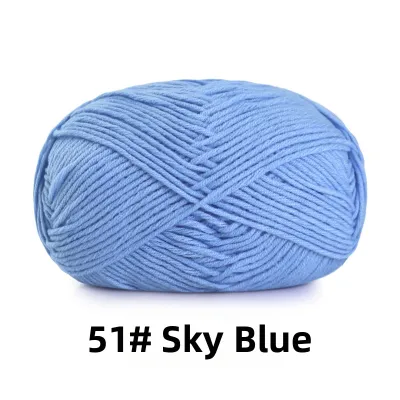
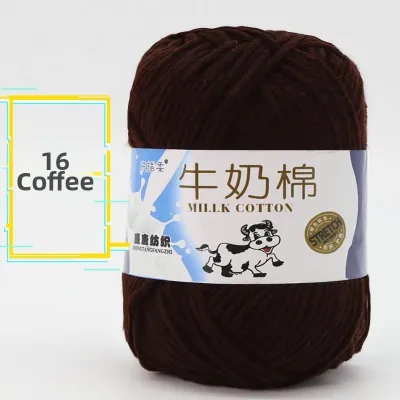
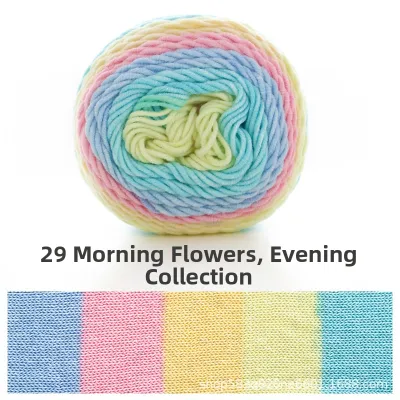
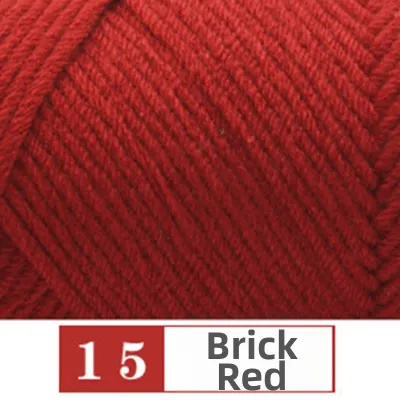
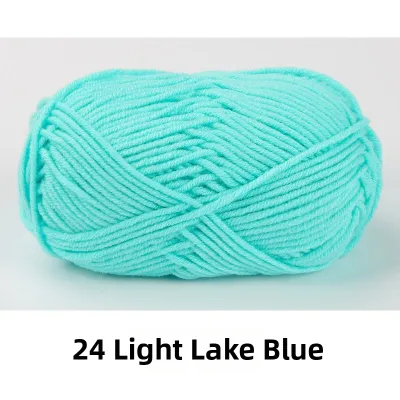
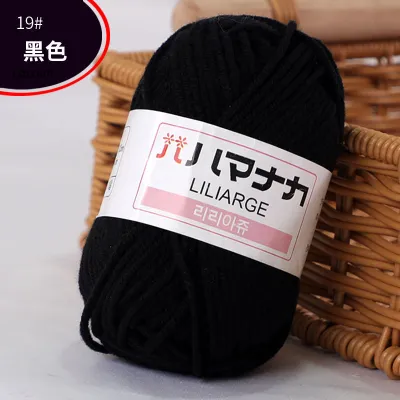
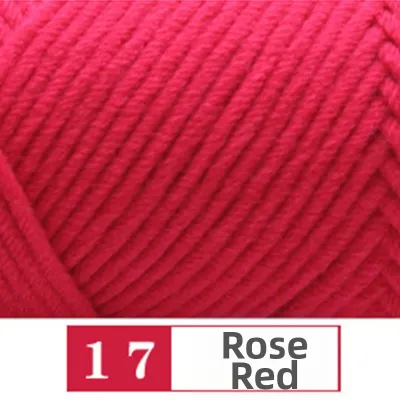
Prices are valid at publication and may change. Please refer to the product page for the latest price.
Before purchasing, verifying the exact fiber content on the yarn band is essential. Because “milk cotton” is not a standardized textile term, some manufacturers may offer blends with higher synthetic percentages, while others might include a small percentage of actual milk protein fiber. Reading the label ensures you know exactly what materials you are working with, which directly impacts how the finished item feels, drapes, and holds up over time. Whether you are budgeting S$5 or S$50 for your crafting supplies, checking these specifications prevents purchasing the wrong material for your needs.
Key Differences in Texture and Handling
The physical behavior of 5ply milk cotton differs markedly from 100% regular cotton due to its blended composition. Regular cotton yarn is made entirely of natural plant fibers, which makes it inelastic, dense, and relatively heavy. When you pull a strand of pure cotton, it offers almost no stretch, which can feel stiff on your fingers during long crafting sessions. In contrast, the acrylic component in milk cotton blends introduces a noticeable springiness and lightweight loft, making the yarn gentler on your hands and easier to tension.

This structural difference directly affects the texture and drape of your finished fabric. Pure cotton produces a crisp, structured fabric with excellent stitch definition, making every knit or purl stand out sharply. However, this lack of elasticity means pure cotton garments can sag or stretch out of shape over time under their own weight. Milk cotton blends yield a much softer, fluffier texture with a gentle drape that retains its shape better, thanks to the memory-like quality of synthetic fibers.
Stitch definition also varies between the two types. While pure cotton showcases intricate stitch patterns, cables, and lace with clean, sharp lines, milk cotton blends tend to have a softer, slightly fuzzier halo. This subtle fuzziness can soften the appearance of complex stitches but provides a cozy, uniform look for basic stitch patterns. Ultimately, how the yarn behaves in your hands depends on the specific twist of the strand and the ratio of cotton to synthetic fibers, both of which should be evaluated by handling a sample when possible.
Matching the Yarn to Your Crafting Project
Selecting between 5ply milk cotton and regular cotton depends heavily on what you plan to make and how the item will be used. In Singapore’s warm, tropical climate, the breathability of your material is a major consideration for wearable items. For everyday clothing like summer tops, light shawls, or market bags, 100% regular cotton is highly recommended. Pure cotton excels at absorbing moisture and allowing heat to escape, and its high structural integrity makes it perfect for heavy-duty items like grocery totes or kitchen dishcloths.
For projects where softness and lightweight comfort are the priorities, 5ply milk cotton is often the preferred choice. It is exceptionally popular for making amigurumi (crochet plush toys) because the slight stretch helps pack the stuffing tightly without gaps, and the soft texture is pleasant to hold. It is also well-suited for baby blankets, booties, and light cardigans intended for air-conditioned indoor environments, where the synthetic blend provides gentle warmth without the weight of pure cotton.
You must also consider the end-user’s skin sensitivity and the washing conditions the item will face. While milk cotton is incredibly soft, individuals with extreme sensitivities to synthetic fibers may prefer the pure, hypoallergenic nature of 100% organic cotton. Additionally, items that require frequent, high-temperature washing—such as kitchen towels or baby bibs—are better suited for pure cotton, which can withstand rigorous laundering far better than synthetic blends.
Verifying Quality and Care Requirements
To ensure your crafting project is a success, always begin by thoroughly inspecting the yarn band. The label provides critical specifications, including the fiber percentages, the total weight in grams, and the recommended knitting needle or crochet hook sizes. In Singapore, these sizes are typically listed in millimeters. Matching your tools to the manufacturer’s recommendations helps you achieve the intended fabric density and prevents your stitches from becoming too loose or uncomfortably tight.
Caring for finished items made from these yarns requires different approaches. Pure cotton is highly durable and can generally tolerate machine washing and tumble drying, though it is prone to shrinkage if exposed to high heat. Milk cotton blends, however, require gentler care because synthetic fibers like acrylic are sensitive to heat. To prevent the fibers from melting, pilling, or losing their shape, wash milk cotton items in cool water on a gentle cycle and lay them flat to air dry in a shaded area.
Before committing to a large, time-consuming project, it is highly beneficial to knit or crochet a small test swatch. A swatch allows you to measure your personal stitch tension against the yarn’s recommended gauge. It also serves as a safe trial for testing colorfastness and shrinkage; wash and dry the swatch exactly as you plan to wash the finished item to observe how the fibers react. This simple step prevents disappointing surprises, such as colors bleeding or the completed project shrinking unexpectedly.
Frequently Asked Questions (FAQ)
Is 5ply milk cotton yarn suitable for beginners?
Yes, 5ply milk cotton yarn is widely considered an excellent choice for beginners learning to knit or crochet. Its medium thickness is easy to hold, and the individual strands are typically twisted tightly enough to prevent the hook or needle from splitting the yarn. Additionally, the slight elasticity provided by the acrylic blend makes it much easier for beginners to maintain consistent stitch tension compared to the stiff, unforgiving nature of pure cotton.
Does milk cotton yarn pill easily?
Milk cotton yarn can be prone to pilling over time, primarily due to the friction acting on its synthetic acrylic fibers. When the loose surface fibers rub together during wear or washing, they can form small, fuzzy balls on the fabric’s surface. To minimize pilling, look for yarns with a tighter physical twist, wash the finished items inside out on a delicate cycle, and avoid high-friction uses for garments made from high-acrylic blends.

Community discussion
Share your experience or ask a question. Comments are reviewed before publication.