
When setting up a highly collaborative workspace, organizing a classroom, or streamlining a home office, selecting the right holding tools can prevent daily frustrations. If you are browsing the shelves of a local office supply store or scrolling through an online marketplace, you have likely encountered premium options like the magnet 3m range alongside unbranded, budget-friendly alternatives. The core question is simple: does the premium price tag of a branded magnet translate to better real-world performance, or are you simply paying for a recognizable logo?
For most office and school environments, the answer depends entirely on your specific surface material and what you are trying to hold. Premium magnets, such as those from the 3M line, generally offer superior surface coatings, consistent magnetic pull, and highly durable casings that protect delicate surfaces from scratches. These characteristics make them a worthwhile investment for high-traffic corporate glassboards, porcelain whiteboards, and heavy-duty document organization.
Conversely, if your primary task is pinning light paper notices to standard steel whiteboards, mounting student artwork on fabric-covered room dividers, or executing temporary classroom crafts, generic store-brand alternatives are highly cost-effective and perfectly adequate. Understanding the material properties, weight limits, and surface interactions of these tools will help you avoid overspending while protecting your expensive presentation boards.
Products mentioned in this guide
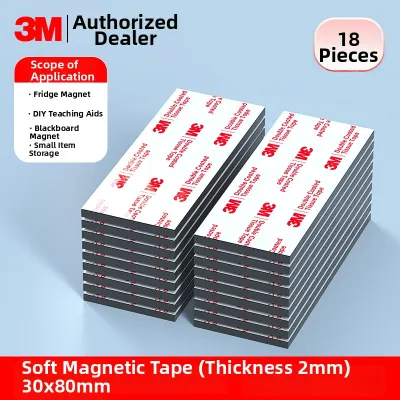
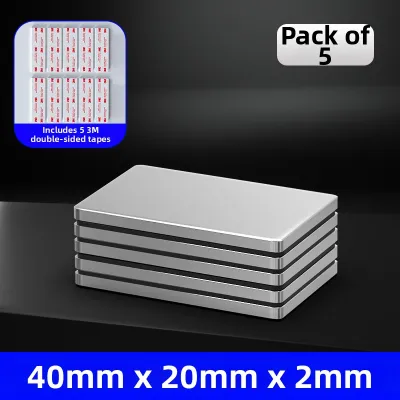
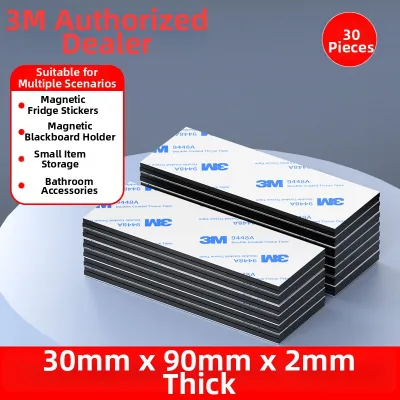
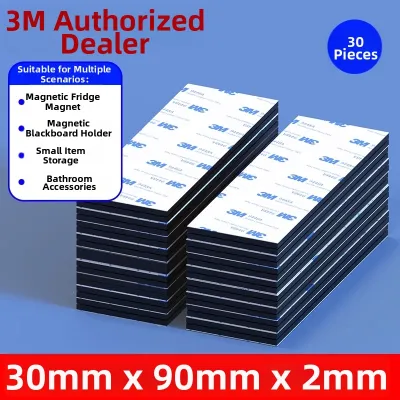
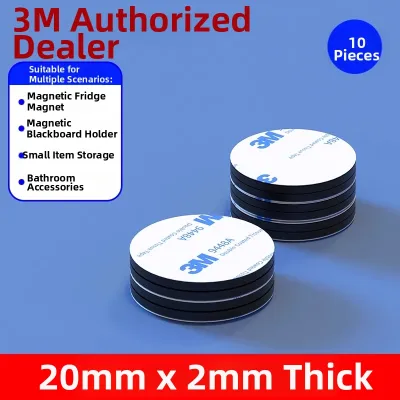
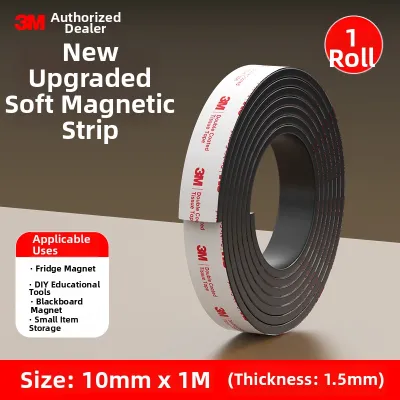
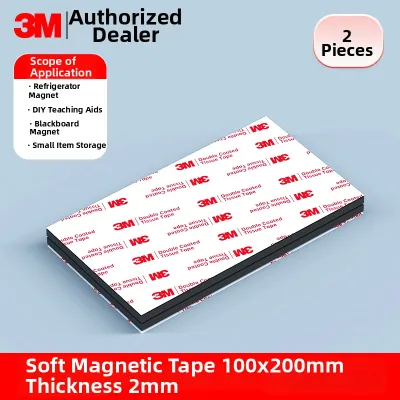
Prices are valid at publication and may change. Please refer to the product page for the latest price.
Key Comparison Dimensions for Whiteboard and Filing Magnets
To make an informed decision, it is essential to look past brand marketing and evaluate the physical construction of the magnets. Not all magnets are created equal, and a higher price tag should correspond to measurable benefits in material quality, safety, and longevity. When comparing premium options to budget alternatives, three primary physical dimensions dictate their performance: magnetic grade, protective coating, and structural durability.
Adhesion Strength and Weight Capacity
The holding power of any magnet is primarily determined by its material composition and size, rather than the brand name stamped on the packaging. Most stationery magnets fall into two categories: ferrite (ceramic) and neodymium (rare earth). Ferrite magnets are dark gray, relatively weak, and inexpensive, making them the standard choice for budget-friendly office supplies. Neodymium magnets are silver, exceptionally strong for their size, but more costly to manufacture.
When evaluating a magnet product, always inspect the manufacturer’s packaging for weight capacity or sheet-holding specifications. A premium brand typically uses precisely graded magnetic materials to ensure that a small, unobtrusive magnet can reliably hold a specified number of A4 sheets (often ranging from 5 to 20 sheets depending on the model). However, physical laws still apply: a very large generic ceramic magnet may still exert more total holding force than a tiny, high-grade premium neodymium magnet.
Furthermore, the thickness and material of the receiving surface play a massive role in perceived adhesion strength. A magnet that easily holds ten sheets of paper on a thick steel filing cabinet might struggle to hold two sheets on a thin magnetic whiteboard, or fail entirely on a modern glass whiteboard. Therefore, matching the magnet’s rated capacity to your specific surface is far more important than relying on brand prestige alone.
Surface Coating and Scratch Prevention
One of the most overlooked risks of using low-cost magnetic accessories is the potential for permanent surface damage. High-quality whiteboards, particularly those with porcelain, enamel, or glass finishes, represent a significant financial investment for schools and businesses. Sliding a magnet with a rough, unfinished surface across these boards can leave deep scratches that ruin the writing surface and trap dry-erase ink.
Premium manufacturers typically enforce strict quality control standards to ensure their magnets feature smooth, non-abrasive outer coatings. These protective shells are often made from high-grade epoxy, smooth molded plastic, or soft rubber, which glide effortlessly across delicate surfaces. The edges are rounded, and the magnetic material itself is completely sealed away from direct contact with the board.
In contrast, budget-friendly alternatives frequently exhibit manufacturing defects such as sharp plastic seams, uneven molding, or exposed, rough magnetic material. Over time, these minor imperfections act like sandpaper. As users slide, drag, or snap the magnets across the board, the abrasive surfaces wear down the whiteboard’s protective glaze, leading to costly replacements.
Durability and Chip Resistance
In busy classrooms and high-traffic corporate boardrooms, office supplies are subjected to constant physical impacts. Magnets are frequently dropped onto hard tile floors, knocked off boards, or allowed to snap together forcefully. The durability of the outer casing determines whether a magnet will survive these daily impacts or shatter into hazardous pieces.
Neodymium is inherently brittle and prone to chipping or shattering when subjected to sharp impacts. To mitigate this, premium magnets are typically fully encased in thick, impact-resistant plastic shells or reinforced steel casings. This protective design absorbs the shock of drops and prevents the inner magnetic material from cracking.
Cheaper generic magnets often use thin, brittle plastic covers or rely on low-quality adhesives to bond the magnet to its decorative cap. When dropped, these budget options frequently break apart, exposing the sharp edges of the shattered magnet inside. This not only renders the magnet useless but also introduces a safety hazard, particularly in school environments where small, sharp fragments can easily be stepped on or swallowed.
3M Magnets vs. Generic Alternatives: Comparing the Magnet 3M Range to Budget Options
To help you weigh the practical trade-offs between premium and budget tiers, the following table breaks down the key performance features of 3M magnets against standard generic alternatives commonly found in retail shops.

| Feature | 3M Magnets (Premium Tier) | Generic/Store-Brand Alternatives |
|---|---|---|
| Coating Quality | Smooth, rounded epoxy, rubber, or high-grade plastic with no sharp seams | Variable; often features rough plastic edges or exposed magnetic material |
| Adhesion Consistency | Highly consistent; meets rated sheet capacities across all units | Inconsistent; holding power can vary significantly within the same pack |
| Price Point | Premium | Budget-friendly |
| Best Use Case | Glassboards, porcelain whiteboards, heavy documents, permanent displays | Standard steel whiteboards, corkboards, student crafts, temporary notices |
| Risk of Surface Damage | Extremely low due to protective coatings and strict quality control | Moderate to high; rough edges can scratch delicate whiteboard glazes |
While generic store brands are highly cost-effective for low-risk surfaces like corkboards or standard steel panels, investing in premium options like 3M is a form of insurance. If your workplace uses expensive glass whiteboards, the cost of replacing a single scratched board far outweighs the minor savings achieved by purchasing cheap magnets. By selecting a premium option, you are paying for engineered safety, consistent holding power, and a clean aesthetic that aligns with a professional corporate environment.
Evaluating Value: When the Premium Makes Sense in Singapore
In Singapore, the local retail landscape offers a wide variety of stationery choices, ranging from major neighborhood bookstores and specialized art supply shops to vast online marketplaces. When walking down the aisles of these stores, the price discrepancy between a pack of branded 3M magnets and a generic house-brand equivalent is immediately apparent. Branded options command a noticeable premium, which can make bulk purchases for an entire school department or a large corporate office seem daunting.
To evaluate whether this premium makes sense for your budget, it is helpful to analyze the purchase through the lens of “cost per use” and the “cost of surface damage.” In a typical Singaporean corporate office located in the Downtown Core, meeting rooms are often equipped with high-end magnetic glassboards or porcelain whiteboards. These boards can cost several hundred to over a thousand SGD (S$) to procure and install. If a cheap, poorly molded magnet scratches the surface of a S$500 glassboard, the financial loss is substantial. In this scenario, paying a small premium upfront for guaranteed scratch-free performance is highly logical.
The same principle applies to document security in professional environments. In air-conditioned offices where ventilation systems or high-velocity ceiling fans are active, weak magnets can fail to hold heavy laminated charts, project timelines, or architectural blueprints. A single fallen document can lead to lost data, disorganized meetings, or damaged materials. Premium magnets provide the reliable, high-capacity adhesion required to keep critical documents secured.
Conversely, the value equation shifts dramatically for home offices in HDB flats or primary school classrooms. If you are pinning spelling lists, drawings, or lunch menus to a basic steel refrigerator door or a felt-covered room divider, the risk of expensive surface damage is negligible. In these low-stakes environments, a budget-friendly pack of generic magnets from a local neighborhood shop offers outstanding value. Even if a few pieces chip or lose their adhesive backing over time, they can be cheaply and easily replaced without impacting your overall budget.
How to Choose the Right Magnet for Your Specific Setup
To simplify your purchasing decision, use the following structured framework to match your environmental needs and surface materials to the correct magnet tier.
Choose 3M (or equivalent premium brands) if:
- You use glass or high-gloss porcelain whiteboards: These premium writing surfaces require flawless, scratch-free magnetic accessories that glide smoothly without leaving micro-scratches.
- You need to hold heavy or laminated materials: If you are mounting thick cardstock, laminated teaching aids, multi-page reports, or heavy blueprints, the consistent and verified weight capacity of a premium magnet is essential.
- The presentation is client-facing: For corporate boardrooms, executive offices, and professional galleries, the clean, uniform aesthetic of branded magnets presents a polished image.
Choose Generic Alternatives if:
- You are pinning light paper to standard surfaces: For standard steel whiteboards, refrigerator doors, or magnetic paint, basic copy paper requires very little magnetic force to hold in place.
- The magnets are for student crafts or temporary projects: In classroom environments where materials are frequently lost, misplaced, or incorporated into take-home art projects, low-cost bulk packs are the most practical choice.
- You are working within a strict, high-volume budget: When outfitting an entire school or purchasing supplies for a large-scale community event, the cost savings of buying generic in bulk outweigh the minor performance benefits of premium brands.
Verify first if:
- You are unsure of your whiteboard's material: Before buying any magnets, perform a quick check of your board. Glass whiteboards feature a thick layer of tempered glass in front of the metal backing plate. Because of this physical gap, standard ceramic magnets (which make up the vast majority of cheap generic options) cannot exert enough magnetic force to stick. Glass whiteboards absolutely require specialized, high-strength neodymium magnets to function, regardless of the brand you choose.
Practical Tips for Testing and Maintaining Your Magnets
Once you have purchased your magnets, implementing a few simple, low-risk maintenance habits will extend their lifespan and protect your writing surfaces.
- Perform a scratch test: Before deploying a new set of magnets across your entire whiteboard, test a single unit on a discreet corner or near the very bottom edge of the board. Drag it gently across the surface to ensure it glides smoothly and leaves no visible marks or residue.
- Clean the contact surfaces regularly: Magnets naturally attract microscopic airborne iron particles and metallic dust. When trapped between the magnet and the whiteboard, this grit acts as an abrasive. Periodically wipe the underside of your magnets with a clean, dry, or slightly damp microfiber cloth to remove any accumulated debris.
- Avoid slamming or snapping: Never allow powerful magnets to snap together from a distance. The high-velocity impact can crack the protective plastic casing or cause the brittle magnetic core inside to shatter, rendering the magnet unsafe and unusable.
- Store them properly: When not in use, store your magnets in a dedicated tray or container rather than leaving them clumped together in a disorganized pile, which increases the risk of chipping and surface wear.
Frequently Asked Questions (FAQ)
Do stronger magnets damage whiteboards?
The magnetic pull itself does not cause physical damage to a whiteboard’s surface. Instead, damage is caused by friction, rough outer casings, or trapped grit. However, stronger magnets do exert a tighter grip on the board, which makes them harder to slide. If a strong magnet has a rough bottom surface or has trapped metallic dust underneath, sliding it will press that grit firmly into the board, causing deep scratches. To prevent this, always lift strong magnets directly off the board rather than dragging them across the surface.
How can I test a magnet's strength before buying in-store?
If you are shopping in a physical stationery store, you can easily perform a practical test before purchasing. Bring a few sheets of standard 80gsm A4 copy paper or a laminated card with you. Locate a metal display shelf, a filing cabinet, or a sample whiteboard in the store. Place the paper against the metal surface and see how many sheets the magnet can hold securely without sliding down. This real-world test provides a much more accurate measure of the magnet’s practical weight capacity than relying solely on the technical specifications listed on the packaging.
Community discussion
Share your experience or ask a question. Comments are reviewed before publication.