
Finding the ideal planner for 2027 involves more than just choosing an attractive cover or a functional layout. The true quality of your planning experience rests on the paper inside, which must match your daily writing instruments. The “best” planner paper is entirely subjective and depends on whether you prioritize a slim, lightweight book or a heavy-duty canvas that resists ink bleed-through. To find your ideal match, you must balance paper weight, surface treatment, and your preferred pen type.
If you primarily write with fountain pens, you will benefit most from thin, highly sized, high-density papers that resist feathering but may show some ghosting. For heavy gel pens, rollerballs, or mild markers, a standard premium woodfree paper ranging from 80 to 100 grams per square meter (GSM) offers a balanced, quick-drying surface with moderate opacity. If you plan to use heavy markers or artistic media, look for heavyweight papers of 120 GSM or higher. Because paper formulations and mill suppliers can change from year to year, always verify the specific paper details for the 2027 editions before committing to a full-year system.
Core Dimensions for Evaluating Planner Paper Quality
To make an informed decision for your 2027 setup, you must understand the technical characteristics that dictate how paper behaves under a pen tip. Evaluating these dimensions allows you to predict performance without relying solely on brand marketing.
Products mentioned in this guide
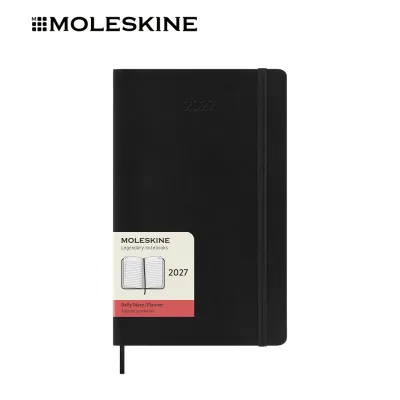
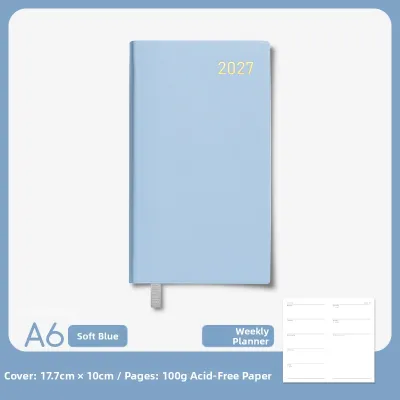
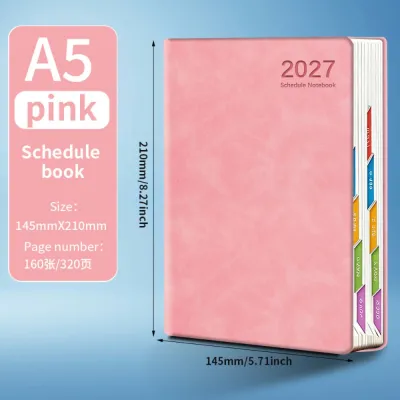
![[2 in 1] 2027 Winnie-The-Pooh Classic Monthly Planner + Weekly Planner / Notebook-(A5 | 120 pages)|ROYCE PUBLISHING](https://img.lazcdn.com/g/p/3491d50b9272e2bf0ff159491255808a.jpg_400x400q80.jpg_.webp)
Prices are valid at publication and may change. Please refer to the product page for the latest price.
Weight and Thickness (GSM)
Paper weight is measured globally in grams per square meter (GSM). In planners, GSM typically ranges from a featherlight 52 GSM to a thick 160 GSM. While a higher GSM generally indicates a thicker, more robust sheet that physically blocks ink from penetrating, it also adds significant weight and bulk to your planner. A 365-day daily planner made with 120 GSM paper will be thick and heavy, making it less suitable for carrying in a bag, whereas a 52 GSM planner remains remarkably compact.
Opacity and Show-Through
It is crucial to distinguish between bleed-through and ghosting, as they affect your planner’s usability differently. Bleed-through occurs when ink completely penetrates the paper fibers, appearing as wet spots or actual ink marks on the reverse side of the page, which often renders that side unusable. Ghosting, or show-through, is simply the shadow of your writing visible through a translucent page. High-density, thin papers often have low opacity, meaning ghosting is common, but they can still possess excellent resistance to actual bleed-through.
Surface Texture and Sizing
The tactile feel of the paper under your pen is determined by its texture (often called “tooth”) and sizing. Sizing refers to chemical additives applied during manufacturing to reduce the paper’s absorbency. Highly sized paper keeps ink sitting on top of the surface, resulting in crisp lines, vibrant ink colors, and excellent resistance to feathering. However, this also extends drying times significantly. Conversely, toothy, unsized paper absorbs ink rapidly, which prevents smudging but can cause the ink to spread out (feather) and look fuzzy.
Archival Properties
If you intend to keep your planners as a long-term record or journal, the chemical composition of the paper is vital. Acid-free paper is processed to achieve a neutral or slightly alkaline pH, which prevents the cellulose fibers from breaking down over time. Planners made with non-archival paper will yellow, become brittle, and degrade within a few decades, potentially causing your written memories and ink colors to fade or discolor.
Comparing Paper Profiles of Popular Planner Brands
Planner manufacturers utilize distinct paper categories to cater to different writing styles and portability needs. Understanding these broad profiles helps you narrow down which category aligns with your daily routine.

Thin, High-Density Paper
This category typically ranges from 52 GSM to 68 GSM and is engineered for maximum page capacity with minimal physical bulk. These papers undergo a heavy calendering process, where the paper is pressed between rollers to create an incredibly smooth, dense sheet. This high density, combined with specialized surface sizing, makes the paper highly resistant to fountain pen ink bleed-through despite its thinness. The primary trade-off is high ghosting and longer ink drying times, making it ideal for patient writers who appreciate a slim, high-capacity book.
Standard Premium Woodfree Paper
Ranging from 80 GSM to 100 GSM, standard premium woodfree paper is the most common choice for mainstream professional planners. It strikes an excellent balance between opacity, weight, and drying speed. The paper is thick enough to minimize ghosting from standard pens while remaining light enough to keep a weekly or monthly planner portable. It generally features moderate sizing, allowing gel and rollerball inks to dry relatively quickly without excessive feathering.
Recycled and Eco-Friendly Paper
Many modern planners incorporate recycled post-consumer waste or alternative plant fibers (such as bamboo or sugarcane bagasse). These papers often have a unique, slightly toothy texture and a natural, off-white or cream tone. Because recycled fibers are shorter and less uniform than virgin wood pulp, these papers tend to be more absorbent. This absorbency results in very fast drying times, but it requires careful pen pairing, as wet inks are more likely to feather or bleed on these surfaces.
Heavyweight Paper
Found in premium, art-focused, or highly customizable planners, heavyweight paper typically starts at 120 GSM and can go up to 160 GSM. This paper behaves almost like cardstock, offering maximum opacity and structural rigidity. It is designed to handle heavy ink applications, including water-based markers, brush pens, and light watercolor washes, without any risk of ghosting or bleeding. The obvious drawback is the physical weight; a full-year daily planner using this paper is exceptionally thick and is best suited to remain on a desk rather than travel with you.
Matching Your Everyday Pens to Planner Paper
The interaction between your pen’s ink formula and the planner’s paper surface determines your daily writing comfort. Matching these two elements prevents frustrating smudges and ruined pages.
Fountain Pens
Fountain pens deposit a relatively large volume of water-based ink onto the page, demanding paper that can control liquid spread. To prevent feathering and bleed-through, you need highly sized, smooth paper. Thin, high-density papers or premium coated woodfree papers are excellent choices because they allow the ink to pool slightly and dry naturally, preserving the ink’s shading and sheen properties. Avoid highly absorbent recycled papers, which will pull the ink deep into the fibers and cause significant feathering.
Gel and Rollerball Pens
Gel and rollerball pens use water-based or gelled inks that flow easily and dry faster than fountain pen inks. They perform exceptionally well on standard 80-100 GSM premium woodfree paper. This paper profile provides enough absorption to dry the ink within a few seconds, minimizing the risk of smudging when you close your planner, while maintaining clean, sharp lines. If you use very bold gel pens (such as 0.7mm or 1.0mm tips), look for papers on the higher end of this weight range to prevent minor ghosting.
Ballpoint and Oil-Based Pens
Ballpoint pens utilize viscous, oil-based inks that require physical friction to transfer from the ball tip to the page. Because of this, ballpoints perform best on paper with a slight texture or “tooth.” Standard woodfree papers and recycled papers provide the perfect amount of friction. Extremely smooth, highly sized, or coated papers can cause the ballpoint tip to slip, resulting in skipping, uneven ink delivery, or a frustratingly slick writing experience.
Markers and Highlighters
Highlighters and creative markers often use wet, water-based dyes or pigments that can easily saturate standard paper. If your planning system relies heavily on color-coding, you should opt for heavyweight paper (120+ GSM) to ensure the reverse side of your pages remains clean. If you must use highlighters on thinner paper, select mild, dry-ink highlighters or specialized translucent sticky notes to mark your pages without introducing moisture to the paper fibers.
How to Verify Paper Quality Before Buying
Investing in a planner for 2027 is a year-long commitment, making it wise to verify the paper quality before you purchase. Since paper batches can vary, use these practical steps to ensure your chosen planner meets your standards.
Check Manufacturer Specifications
Before purchasing, visit the manufacturer’s official website or authorized stationery retailers to look for detailed paper specifications. Reliable brands will explicitly state the paper weight in GSM, the color (such as bright white, cream, or ivory), and whether the paper is acid-free or certified by environmental forestry standards. Some brands also specify the exact paper mill or paper type used, which allows you to research user experiences with that specific paper stock.
Request or Buy Samples
If you are considering a high-end planner or a refillable system, look for options to purchase small paper samplers, single-month inserts, or memo pads made from the same paper stock. Many specialized stationery retailers offer paper sample packs. Testing your personal pen collection on a single sample sheet is the most accurate way to evaluate how the paper handles your specific ink flow, writing pressure, and drying expectations.
Perform the "Dry Time and Bleed" Test
When you obtain a sample sheet or a new planner, dedicate a back page to a standardized pen test. Write with your favorite pens, noting the exact time it takes for the ink to dry completely without smudging when rubbed lightly. Next, draw a solid block of ink or write with heavy pressure to test the limits of the paper. Flip the page to evaluate the degree of ghosting and check for any points of actual bleed-through.
Read User Reviews for 2027 Batches
Paper manufacturing can experience subtle shifts due to changes in raw material sourcing, mill machinery, or brand ownership. A planner brand that used a highly regarded paper in previous years may transition to a different supplier for their 2027 production run. Search online stationery communities, forums, and video reviews specifically focusing on the “2027 edition” of your desired planner to see if users have noted any changes in paper texture, thickness, or ink compatibility compared to previous years.
Frequently Asked Questions (FAQ)
Does higher GSM always mean better planner paper?
No, a higher GSM does not automatically guarantee superior paper quality or a better writing experience. While a higher GSM indicates thicker paper that is highly effective at preventing bleed-through, the actual performance depends heavily on the paper’s sizing and fiber density. A well-engineered, highly sized 80 GSM paper can resist fountain pen feathering and bleed-through far better than a poorly sized, highly absorbent 120 GSM paper. Choose your paper based on its surface treatment and ink compatibility rather than weight alone.
How can I fix bleed-through in my current planner?
If you have already purchased a planner and are experiencing frustrating bleed-through, you can adapt your writing habits without replacing the book. Try switching to drier writing instruments, such as standard ballpoint pens, pencil, or quick-dry gel pens with fine tips (0.38mm or smaller). Alternatively, place a thick sheet of cardstock or a plastic writing board (pencil board) directly beneath the page you are writing on to act as a barrier, preventing ink and pressure marks from transferring to the subsequent pages.
Are 2027 planner refills compatible with older covers?
Refill compatibility depends entirely on the binding standard and the physical dimensions of your existing cover. For ring-bound planners, verify that the ring spacing and page size match standard formats (such as A5, Personal, or Pocket sizes). For book-bound cover sleeves, measure the exact height, width, and spine thickness of the 2027 refill. Even if the page dimensions are identical, a change in paper weight (GSM) or page count in the 2027 edition can alter the spine thickness, which may prevent the refill from fitting comfortably inside a fitted leather or fabric cover.
Community discussion
Share your experience or ask a question. Comments are reviewed before publication.